
Plants
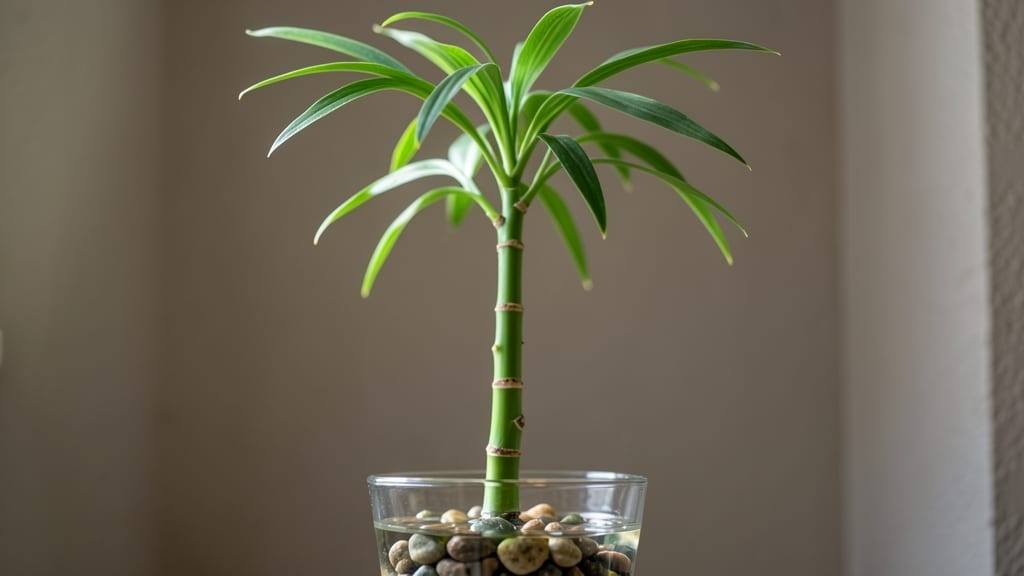
If you’ve ever wondered how tall a lucky bamboo plant can grow, you’re not alone. This fast-growing plant can reach surprising heights—sometimes 6 feet or more—if given the right conditions. But don’t worry, controlling its growth is easier than you think with a few simple care tweaks.
The key to managing your lucky bamboo’s height lies in understanding its natural growth habits. Under ideal conditions—like bright, indirect light and consistent moisture—it can shoot up quickly, especially in larger containers.
But with the right techniques, you can keep it at a manageable size while still enjoying its lush, vibrant appearance.
Whether you’re aiming for a compact desk plant or a statement piece, I’ll show you exactly how to influence its growth. From pruning tips to container choices, you’ll learn how to guide your lucky bamboo’s height without sacrificing its health or beauty.
Let’s dive into the secrets of keeping your lucky bamboo 🌱 thriving—no matter how tall (or short) you want it to be.


Natural height limits of lucky bamboo: indoor growth factors explained
Lucky bamboo (Dracaena sanderiana) is famous for its striking, vertical growth—but how tall can it really get? Under ideal conditions, these plants can reach 4 to 6 feet tall indoors, though some varieties or neglected plants may stretch toward 8 feet or more.
The key to controlling height lies in understanding the factors that influence growth, from light exposure to container size and even the quality of water you use.
Your lucky bamboo’s height potential isn’t set in stone—it’s shaped by your care routine. For example, a plant in a small, cramped pot will grow taller as it searches for space, while one in a larger container with room to spread may stay shorter and bushier.
Even the type of water you use can impact growth: tap water with chlorine or fluoride can stunt growth or cause browning, while filtered or distilled water promotes healthier, faster expansion.
Light exposure plays a critical role too. Lucky bamboo thrives in bright, indirect light, which encourages balanced growth. Too little light? Your plant will stretch dramatically toward any available source, creating a leggy, weak structure. Too much direct sun? The leaves may scorch, slowing vertical progress. Finding that sweet spot is essential for managing height naturally.
Humidity levels also affect how your lucky bamboo grows. In dry indoor environments, these plants often grow taller and thinner as they seek moisture. Increasing humidity—through a pebble tray or humidifier—can encourage fuller, shorter growth by reducing stress on the plant.
Even the season matters: growth typically slows in winter due to lower light levels, while spring and summer spur rapid vertical expansion.
Here’s a quick breakdown of what influences your lucky bamboo’s height:
| Factor | Impact on Height | How to Adjust |
|---|---|---|
| Container Size | Smaller pots = taller growth | Repot in a wider container |
| Light Exposure | Low light = leggy, tall growth | Place near a north-facing window |
| Water Quality | Chlorine/fluoride = stunted growth | Use distilled or filtered water |
| Humidity | Low humidity = taller, thinner stems | Add a pebble tray or humidifier |
| Fertilizer | Over-fertilizing = rapid, unbalanced growth | Use balanced fertilizer every 2-3 months |
The age of your lucky bamboo also plays a role in its height. Younger plants grow faster and taller, often adding 6 to 12 inches per year under optimal conditions. As they mature, growth slows, and the plant may focus more on thickening its stems rather than stretching upward.
This is why many gardeners prune their plants regularly—not just to control height, but to encourage bushier, fuller growth.
If you’re curious about your plant’s potential height, observe its current growth rate over a few months. Measure it monthly and note any changes in light, water, or container size.
For example, if your plant grows 8 inches in 3 months with consistent care, you can estimate it may reach 3 feet in a year—unless you intervene with pruning or repotting. Tracking these details helps you predict and manage its future height effectively.
One common misconception is that lucky bamboo will always grow tall if left unchecked. While it’s true that these plants can reach impressive heights, their growth isn’t inevitable.
With the right care—like pruning, proper lighting, and occasional repotting—you can keep your lucky bamboo at a height that fits your space. The goal isn’t just to control its size, but to ensure it grows healthy, sturdy, and vibrant for years to come.
For instance, if you want your lucky bamboo to stay around 2 feet tall, focus on providing bright, indirect light and repotting it in a wider container every 12 to 18 months. This encourages lateral growth while slowing vertical expansion.
Conversely, if you’re aiming for a taller, dramatic look, place it in a smaller pot with minimal light—though this may result in a less sturdy plant over time.
Understanding these factors isn’t just about controlling height—it’s about creating the perfect environment for your lucky bamboo to thrive. Whether you want a compact desk companion or a floor-filling statement piece, the choice is yours.
With the right balance of care, you can shape your plant’s growth to match your vision—without sacrificing its health or beauty.
Natural height limits of lucky bamboo: indoor growth factors explained
Lucky bamboo (Dracaena sanderiana) is famous for its fast growth, but its final height depends on several factors. Under ideal conditions, these plants can reach 4 to 6 feet tall indoors, though some varieties stay shorter.
The key drivers are container size, light exposure, and water quality—all of which influence how quickly and tall your plant will grow.
For example, a lucky bamboo in a small 6-inch pot may max out at 2 to 3 feet, while the same plant in a large 12-inch container could stretch toward 6 feet or more.
The roots need space to expand, which directly fuels vertical growth. Without proper root room, your plant will focus energy on filling the pot rather than reaching upward.
Here’s how other factors play into height potential:
| Factor | Height Impact | Ideal Conditions |
|---|---|---|
| Container Size | Larger pots = taller plants (up to 6 ft) | 12-inch pot for max height |
| Light Exposure | Bright indirect light = faster growth | North-facing window, 2-4 hours/day |
| Water Quality | Chlorine-free water = healthier stems | Distilled or dechlorinated water |
| Humidity | Higher humidity = faster growth | 40-60% humidity (use pebble trays) |
| Variety | Dwarf varieties stay under 2 ft | Standard varieties reach 4-6 ft |
If you’re growing lucky bamboo in low-light conditions, expect slower growth and shorter heights—often 2 to 3 feet max. The plant will stretch toward light sources, which can make it look leggy.
On the other hand, bright indirect light (like near an east or north window) encourages compact, bushier growth while still allowing it to reach its full height potential.
One common misconception is that lucky bamboo grows unpredictably tall without intervention. In reality, its height is highly controllable through simple adjustments like repotting or pruning. For instance, if you notice your plant shooting up too quickly, reducing light exposure or trimming the top can help manage its size.
The goal is balance—let it grow naturally while guiding it to stay within your desired height range.
For a quick height estimate, consider this rule of thumb: Lucky bamboo grows about 6 to 12 inches per year under optimal conditions. With consistent care, you can predict whether your plant will hit 3 feet in a year or 6 feet in three years.
The key is monitoring its growth early and adjusting care as needed.