
How To
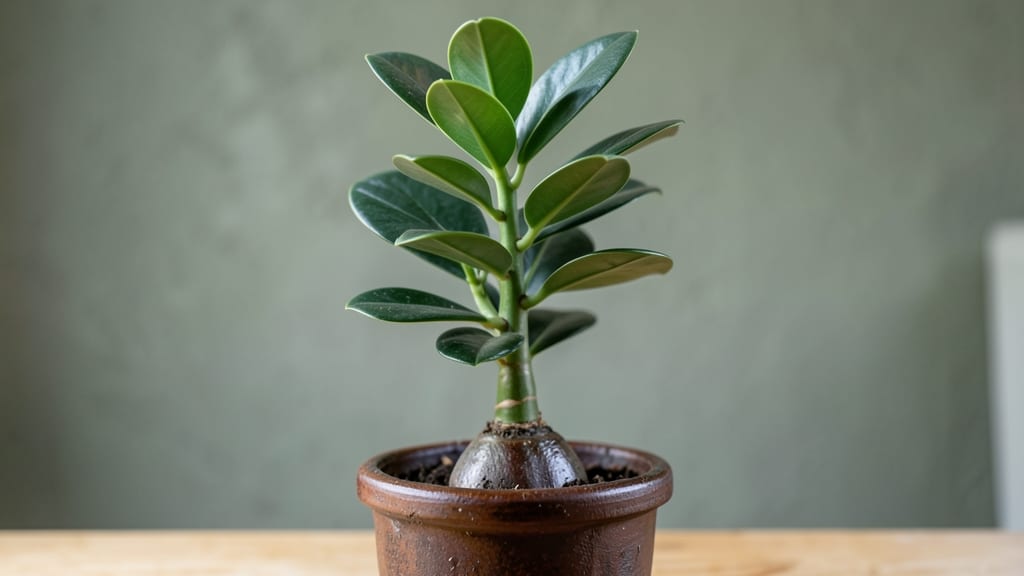
If you’re wondering how tall does ZZ plant grow, you’re in the right place—this resilient houseplant can surprise you with its adaptability, but its height depends entirely on your care routine. Unlike finicky greens, ZZ plants thrive with minimal fuss, making them perfect for busy plant lovers.
Whether you’re working with a tiny apartment or a sunroom, understanding their growth habits helps you plan for the perfect spot.
The ZZ Plant 🌱 typically reaches 2–4 feet indoors, but its final height hinges on factors like pot size, light exposure, and pruning. That means your plant could stay compact or stretch toward the ceiling—it’s all about what you provide.
For example, a well-pruned ZZ Plant stays bushier and shorter, while one left to its own devices might grow taller over time.
What’s great about ZZ Plants is their flexibility—they handle low light like a pro, so even if your space lacks natural brightness, you won’t sacrifice growth. But if you’re aiming for a specific height, small adjustments (like rotating the pot or trimming back leggy stems) can keep things under control.
Let’s break down exactly how to manage your ZZ Plant’s growth for the look you love.
Ready to learn the secrets behind controlling your ZZ Plant’s height? From choosing the right pot to mastering pruning techniques, I’ll walk you through every step to ensure your plant stays at your ideal height—whether that’s a 3-foot statement piece or a cozy 1-foot desk companion. Let’s get started!


ZZ plant height limits: how tall can it grow indoors?
Your ZZ plant (Zamioculcas zamiifolia) is a slow-growing marvel, but its final height depends on genetics, care, and growing conditions. Under ideal circumstances, most indoor ZZ plants reach 2 to 3 feet tall, though some varieties or well-cared-for specimens can stretch up to 4 feet.
The key is understanding how to estimate your plant’s growth potential based on its current size and environment.
If you’ve noticed your ZZ plant growing 1-2 feet in its first year, expect it to mature at a slower rate in subsequent years. Unlike fast-growing plants, ZZ plants prioritize leaf development over height, making them perfect for small spaces or shelves.
Their glossy, dark green leaves grow in a symmetrical pattern, contributing to their compact, bushy appearance.
Here’s the critical insight: pot size and pruning play huge roles in height control. A ZZ plant in a smaller container will focus energy on leaf production rather than vertical growth, while a larger pot encourages taller stems. Pruning also helps manage height—more on that later!
🌱
The ZZ plant’s height isn’t just about time—it’s about balance. For example, a plant in a 10-inch pot with bright, indirect light may grow taller than one in a smaller container with lower light.
The rhizome system (underground stems) stores water and nutrients, allowing the plant to grow steadily without dramatic spikes in height.
If your ZZ plant is leaning toward a window, it’s likely stretching for light, which can make it grow taller and less stable. Rotate the pot quarter-turns every 2 weeks to encourage even growth.
This simple trick prevents your plant from becoming a lopsided tower while keeping it within your desired height limits.
For those with limited space, dwarf varieties or heavily pruned ZZ plants can stay under 18 inches. The trade-off? Fewer leaves but a denser, bushier appearance. If you’re aiming for a taller statement plant, provide ample light and a slightly larger pot to encourage vertical growth.
🌿
One common misconception is that ZZ plants grow uncontrollably tall if left alone. In reality, their growth rate slows significantly after the first year. By year three, most ZZ plants reach their mature height unless you actively encourage further growth through repotting or fertilization.
Even then, expect incremental gains rather than rapid elongation.
To summarize: your ZZ plant’s height is predictable with the right care. Focus on pot size, light exposure, and pruning, and you’ll steer its growth toward your ideal height—whether that’s a compact shelf companion or a floor-filling statement plant. The choice is yours!
✂️
5 Factors that control ZZ plant growth height (and how to adjust them)
Your ZZ plant’s height isn’t just a matter of luck—it’s directly influenced by five key factors you can control. Understanding these will help you manage growth whether you want a compact bush or a taller statement plant.
Let’s break down how each factor plays a role and what adjustments you can make to steer your plant’s vertical trajectory.
First up is light exposure, the most critical factor for height control. ZZ plants grow taller and leggier when stretched toward light sources, especially if placed in low-light conditions.
To keep it stocky and bushy, position it within 3–5 feet of a north or east-facing window where it gets bright, indirect light for 4–6 hours daily. Rotate the pot quarter-turns every 2 weeks to ensure even growth.
Next, pot size plays a surprising role—root-bound plants grow faster vertically as they compete for space. If your ZZ plant is outgrowing its pot (roots circling the drainage holes), it’s time to upgrade by 2–4 inches in diameter.
However, if you want to slow height growth, keep it slightly root-bound in a smaller pot to encourage bushier, slower upward growth.
- Light Exposure
- Pot Size
- Watering
- Humidity
- Temperature
Watering habits are another silent height controller. ZZ plants grow taller and weaker when overwatered, as excess moisture forces them to stretch for stability. Always let the top 2–3 inches of soil dry out completely before watering again. In winter, reduce watering to every 4–6 weeks—this slows growth and keeps your plant compact and healthy.
Humidity levels might seem minor, but they directly impact growth speed. ZZ plants thrive in 40–50% humidity, common in most homes. If your air is dry (below 30%), growth slows, and leaves may become smaller and more spaced out.
Boost humidity with a pebble tray or grouping plants together to encourage faster, bushier growth.
Finally, temperature fluctuations affect height—ZZ plants grow slowest below 60°F and most aggressively between 65–75°F. If your home dips below 60°F at night, place the plant near a south-facing wall to absorb residual warmth.
Avoid drafts from AC vents or open windows, which can stunt growth and cause leggy stems.
By tweaking these five factors, you’ll have full control over your ZZ plant’s height—whether you’re aiming for a low-profile desk companion or a floor-filling statement plant. Start with light and pot size, then fine-tune with water and environment adjustments for the perfect fit in your space. 🪴