
Plants
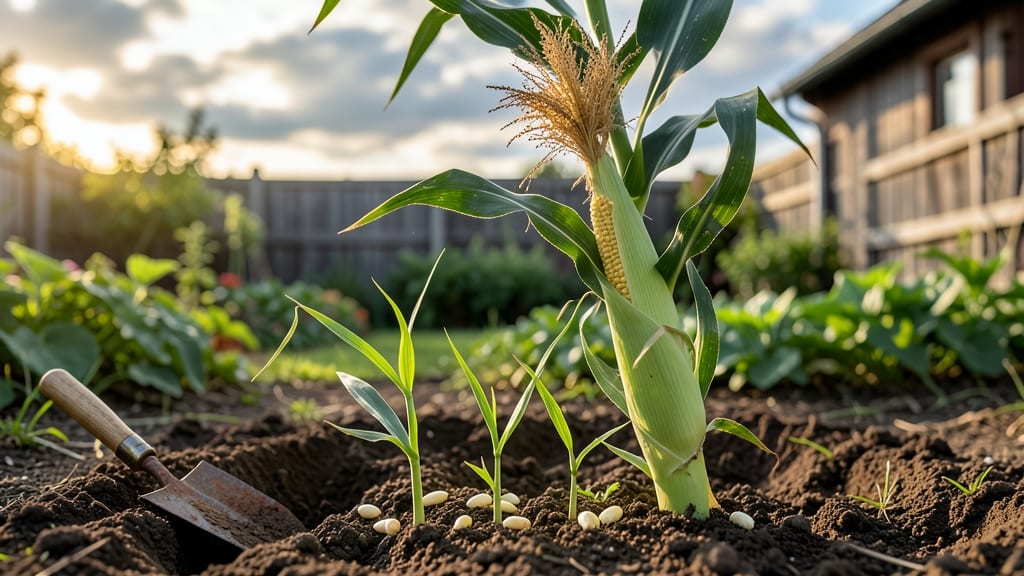
Timing your corn planting in Minnesota can make or break your harvest—get it wrong, and you might end up with stunted plants or wasted seeds. With USDA Zones 4a-5a and unpredictable frost dates, knowing the perfect window is key to growing healthy, productive 🌽 that thrives all summer long.
Most Minnesota gardeners wait until mid-April to mid-May, after the last frost has passed and soil temperatures hit at least 50°F. But even then, regional differences mean your neighbor’s perfect timing might not work for you.
The most critical factor? Soil warmth—not just air temperature—determines whether your seeds will germinate properly or rot in cold ground.
In this guide, I’ll break down exactly when to plant corn in your specific zone, how to test soil readiness, and which varieties perform best in Minnesota’s short growing season.
Whether you’re a first-time gardener or a seasoned pro, these tips will help you maximize your yield from late July to September.
Ready to skip the guesswork? Let’s dive into the science-backed strategies that’ll turn your garden into a cornfield success story—no matter how wild Minnesota’s spring decides to be.
Minnesota corn planting dates by hardiness Zone (soil temperature guide)
Minnesota’s USDA Zones 3-5 demand precise timing for corn—soil temperature matters more than calendar dates. Corn seeds need 50°F+ soil to germinate, but ideal planting occurs when soil reaches 60°F+.
In northern MN (Zone 3-4a), this often means waiting until late May, while southern counties (Zone 4b-5a) can plant as early as mid-April.
Your last frost date is critical: Plant no earlier than 2 weeks after the average last frost. In Duluth (Zone 4a), that’s typically May 15, while Rochester (Zone 4b) can start May 1. Always check your local frost-free averages—Minnesota’s climate varies wildly even within short distances.
Corn is a warm-season crop, so rushing it risks frost damage to tender seedlings. If you’re tempted to plant early, opt for cold-tolerant varieties like ‘Early Sunglow’ or use row covers to protect young plants. Remember: Slow starts = smaller yields.
Here’s how Minnesota’s zones break down for direct-sow corn planting, including soil warmth targets and frost-free deadlines:
For transplanting corn (less common but useful for late starts), seedlings should be 3–4 inches tall with 3–4 leaves before moving outdoors. Transplant after soil warms to 55°F+, but expect a 2-week delay in maturity compared to direct-sown seeds.
This method is risky in MN’s short season—only attempt it in Zone 4b-5a.
Pro tip: Use a soil thermometer to confirm readiness. Stick it 4–6 inches deep (where roots will be) and wait until temps hold steady at 60°F+ for 3+ days.
Cold soil = slow germination = weak starts. If your soil is still chilly by early June, consider succession planting with fast-maturing varieties like ‘Bodacious’ (75 days).
Minnesota’s growing degree days (GDD) also matter—corn needs 2,000–2,500 GDDs to mature. Track your local GDDs using the MN State Climatology Office or apps like GDD Tracker to avoid planting too late. In Zone 3, aim for early-maturing sweet corn (60–70 days) to ensure harvest before frost.
Don’t forget: Late-planted corn can still yield well if given proper care. If you miss the ideal window, focus on watering deeply, fertilizing lightly, and choosing disease-resistant varieties. Even a June planting can produce ears—just expect smaller yields and prioritize drought-tolerant types like ‘Silver Queen’.
🌽
How to test soil warmth & adjust planting for Minnesota’s unpredictable spring
Minnesota’s spring soil can feel like a rollercoaster—one day it’s still icy, the next it’s warm enough for planting. Corn seeds need soil temperatures of at least 50°F to germinate, but 60°F+ ensures faster, more reliable sprouting.
Without testing, you might plant too early and risk frost damage or too late and miss the ideal window. Here’s how to get it right.
First, grab a soil thermometer (digital ones are most accurate). Stick it 2 inches deep in the soil—this is where corn seeds will be planted. Check temperatures daily in the morning (soil cools overnight).
If readings dip below 50°F for more than a few hours, hold off on planting. Consistent 60°F+ for 3-5 days is your green light for direct sowing.
No thermometer? Try the DIY potato test: Bury a raw potato in the garden for 24 hours. Dig it up—if it’s soft and starting to sprout, your soil is warm enough for corn. If it’s still firm, wait a few more days. This trick works surprisingly well for quick, low-cost checks.
⚠️ Late Planting Warning
Planting corn after June 1st in Minnesota risks poor pollination and lower yields. If your soil stays cold, opt for early-maturing varieties (60-75 days to harvest) or use black plastic mulch to warm the soil faster. Never plant after June 15th unless you’re using row covers to extend the season.
To speed up soil warming, use black plastic mulch or clear plastic tunnels 1-2 weeks before planting. These trap heat and can raise soil temps by 10-15°F. Avoid dark-colored mulch in late spring—it can overheat seeds if temps exceed 90°F.
For organic gardeners, try covering beds with straw or leaves a few days before planting to absorb daytime warmth.
If you’re planting late due to cool soil, choose shorter-season varieties like ‘Early Sunglow’ (72 days) or ‘Bodacious’ (80 days).
These tolerate cooler soils better than sweet corn hybrids like ‘Silver Queen’ (90+ days). Succession planting in early June can also work—just use row covers to protect young plants from unexpected frosts.
Finally, monitor your local frost dates using the MN State Climatology Office or Almanac’s Frost Calculator. While soil warmth is key, air temperatures below 32°F can still damage seedlings.
If a late frost is forecast, have row covers ready to throw over seedlings overnight. With these adjustments, you’ll beat Minnesota’s spring unpredictability and still get a great corn harvest.