
Plants
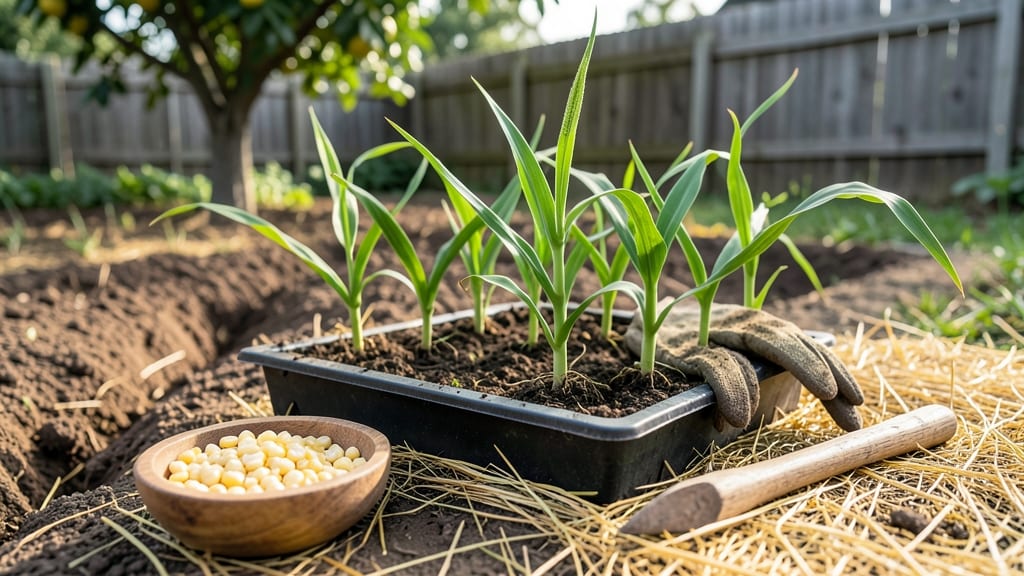
If you’ve ever wondered why your Mississippi corn plants 🌽 either bolt too early or struggle to mature, timing is the key—and soil temperature is your best ally.
The right planting window isn’t just about dates; it’s about waiting for that perfect 60°F soil temp to ensure strong germination and a 90-day harvest before the heat of summer sets in.
Mississippi’s 8a-9a climate gives you a 3-month window from mid-April to early June, but rushing too soon can leave your corn vulnerable to frost or stunted growth.
I’ll show you exactly how to read your soil’s signals and avoid the most common mistakes—like planting when the ground is still too cold or ignoring humidity’s sneaky impact on growth.
Whether you’re growing sweet corn for summer meals or field corn for fall storage, the right variety and planting strategy make all the difference. Let’s break down the optimal schedule for your region, so you can enjoy a bountiful harvest from late July through October.
Ready to turn your garden into a cornfield? I’ll walk you through the steps—from soil prep to companion planting—to guarantee your plants thrive, no matter where you are in the state.
Mississippi corn planting calendar: soil temperature rules for optimal growth
Mississippi’s humid subtropical climate gives corn growers a 210-240 day frost-free window, but timing your planting based on soil temperature—not just the calendar—is the key to success.
Corn seeds need consistent soil temps of 60°F+ to germinate reliably, and planting too early when soils are still cool can lead to uneven sprouting or rot.
Let’s break down the optimal planting windows for Mississippi’s two distinct regions: the Delta (hotter, longer season) and the Hills (cooler, shorter season).
For sweet corn varieties, which mature in 75-105 days, the sweet spot is mid-April to early May in most of Mississippi. This timing ensures you’ll harvest before late-season humidity and disease pressure peak in August.
Meanwhile, field corn (used for grain or livestock feed) can handle later plantings, often until mid-June, since it has a longer maturity window of 105+ days. The critical factor? Soil temperature, not the air temperature.
Use a soil thermometer to check depths of 1-2 inches—this is where seeds will germinate. Aim for 60°F+ for germination and 70°F+ for rapid growth.
In northern Mississippi (like Tunica or Oxford), soils may not warm enough until late April, while southern areas (like Greenville or Biloxi) can plant as early as mid-March in microclimates with warmer microclimates or raised beds.
🌱 Mississippi Corn Planting Timeline
| Region | Optimal Planting Window | Soil Temp Requirement | Last Frost Date | Harvest Window |
|---|---|---|---|---|
| Northern MS (Hills) | Mid-April to early May | 60°F+ (consistent) | March 15-April 1 | Late July to early October |
| Southern MS (Delta) | Late March to early June | 60°F+ (earlier in microclimates) | February 28-March 15 | June to November |
💡 Pro Tip: Use black plastic mulch to warm soils 5-10°F faster in cooler regions.
If you’re growing early-maturing varieties (like Silver Queen or Peaches and Cream), you can push the envelope by planting in late February to early March in the southern Delta, but only if you’re using row covers or cold frames to protect young plants.
These varieties mature in 75-90 days, so they’ll be ready to harvest by late May to June—just in time for grilling season! For late-season harvests, plant disease-resistant hybrids like Pioneer Brand 39T35 in late May to avoid corn earworm and fungal diseases that spike in September.
Mississippi’s high humidity and frequent afternoon thunderstorms can create challenges, especially if you plant too late. Corn planted after early June may struggle with ear rot or poor pollination due to heat stress.
To mitigate this, choose heat-tolerant varieties and ensure consistent watering during tasseling (when pollen sheds). I’ve found that drip irrigation on a timer works best to keep soils evenly moist without overwatering.
Don’t forget about companion planting to improve your corn’s resilience. Pair it with beans or squash to fix nitrogen in the soil and deter pests like raccoons or deer. Avoid planting near tomatoes or cabbage, as they compete for nutrients.
In Mississippi’s clay-heavy soils, amending beds with compost or aged manure before planting can also boost drainage and microbe activity, which helps seeds germinate faster.
One of my biggest lessons learned? False spring is a real threat in Mississippi. Just because the air feels warm in March doesn’t mean the soil is ready. Always check soil temperature for at least 3 consecutive days above 60°F before planting.
I’ve seen seedlings rot in 50°F soil even when daytime temps were in the 70s°F. Invest in a $15 soil thermometer—it’s a game-changer for Mississippi gardeners.
For successful corn growth, also monitor moisture levels during germination. Soils should stay consistently moist (not soggy) until seedlings emerge. Once they’re 2 inches tall
Mississippi corn varieties: which types thrive in early vs. late planting?
Choosing the right corn variety for Mississippi’s climate is half the battle—especially when balancing early spring and late summer planting windows. The state’s humid subtropical climate demands varieties that tolerate both early-season chill and late-season heat.
Early-maturing types (75-90 days) like 'Silver Queen' or 'Golden Bantam' are perfect for late March/early April starts, while heat-tolerant hybrids (105+ days) like 'Peaches and Cream' shine when planted in May or June.
Mississippi’s USDA Zones 8a-9a mean you can push the envelope with late-season planting, but only if you select disease-resistant varieties. For example, 'Ambrosia' (90 days) handles corn earworm pressure better than standard types, while 'Temptation' (85 days) thrives in high-humidity conditions.
The key? Match your planting date to the variety’s maturity window—aim for harvest before first frost (typically mid-November).
🌽
| Variety | Days to Maturity | Best Planting Window | Climate Tolerance |
|---|---|---|---|
| Silver Queen | 75-80 | Late March–April | Early chill, short season |
| Golden Bantam | 70-75 | March–April (early harvest) | Cold-sensitive, fast-growing |
| Peaches and Cream | 105-110 | May–June | Heat-tolerant, late-season |
| Ambrosia | 90-95 | April–May | Disease-resistant, humid climate |
| Temptation | 85-90 | April–June | High humidity, earworm-resistant |
*Varieties with 90+ days to maturity are best for late planting in Mississippi’s warmer regions.
For northern Mississippi (e.g., Tupelo, Oxford), prioritize early-maturing varieties to avoid fall frost. In contrast, southern regions like the Delta can extend planting into early June with heat-tolerant hybrids.
Pro tip: Succession planting works beautifully here—sow 'Golden Bantam' in March for a June harvest, then follow with 'Peaches and Cream' in May for a fall feast.
Mississippi’s humidity also means fungal diseases like corn smut or gray leaf spot can be problematic. Opt for hybrid varieties with built-in resistance, such as 'Pioneer 39T23' or 'DeKalb 595', which are bred for Mississippi’s climate challenges.
Always rotate planting locations yearly to prevent soil-borne pathogens from building up.
Don’t overlook field corn if you’re growing for livestock or biofuel—varieties like 'Pioneer Brand 33B38' mature in 110-120 days and thrive in late-summer plantings. Just ensure you have 12+ feet of row space for full growth!
For home gardeners, stick to sweet corn varieties, which are easier to harvest and enjoy fresh.
🌿