
Plants
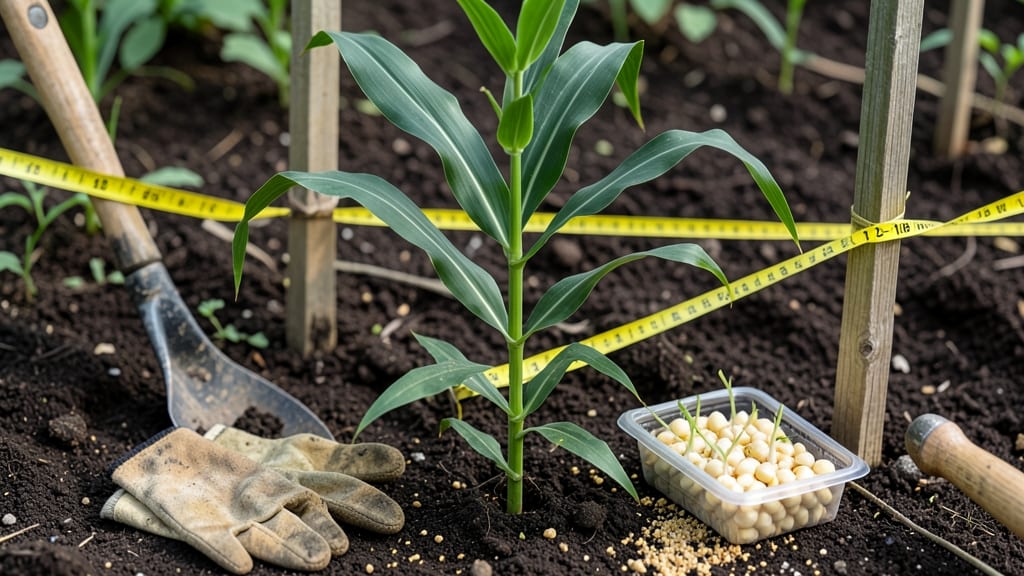
Planting corn in Zone 7a at the wrong time can turn your garden dreams into a sad, stunted 🌽 disappointment—but get it right, and you’ll be harvesting sweet, juicy ears by late summer.
The key isn’t just waiting for spring; it’s understanding when your soil warms enough to support those hungry seedlings.
Most gardeners in Zone 7a rush to plant as soon as the last frost passes (around mid-April), but corn needs soil temperatures of at least 50°F to germinate properly.
That means waiting until early May in most areas—even if your calendar says spring has arrived. Skipping this step risks slow starts, weak plants, and fewer ears.
In this guide, I’ll break down exactly when to plant for your specific microclimate, whether you’re in the Piedmont hills or the Coastal Plain.
You’ll learn how to adjust for early vs. late varieties, extend the season with simple tricks, and avoid the 3 biggest mistakes that ruin corn crops every year.
Ready to grow corn that towers over your fence? Let’s dig into the perfect planting timeline so you can enjoy fresh, homegrown ears from late July through September—without the guesswork.

Ideal planting dates for corn in Zone 7a based on soil temperature
In Zone 7a, corn thrives when planted after the last frost date—typically around mid-April—but the real secret is soil temperature. Corn seeds won’t sprout until the soil reaches at least 50°F (10°C) for 7–10 consecutive days.
Waiting too long risks shorter growing seasons, while planting too early can stunt growth or invite pests.
Use a soil thermometer to confirm readiness. In most of Zone 7a, soil warms to 50°F by early to mid-April in inland areas (e.g., Piedmont) but may lag 1–2 weeks in coastal regions (e.g., North Carolina’s Outer Banks).
Adjust planting dates accordingly—late April to early May is the safest window for most gardeners.
Corn’s rapid growth cycle (60–120 days to harvest) demands precision. Early varieties like ‘Early Sunglow’ (60–70 days) can stretch the season, while standard varieties (90–120 days) need June planting to mature before first frost (mid-October). Plan your harvest timeline by counting backward from the first frost date.
Here’s how Zone 7a’s microclimates affect planting:
- Piedmont (drier, warms faster): Plant mid-April to early May.
- Coastal Plain (warmer but slower to warm): Wait until late April to mid-May.
- Mountain foothills (cooler): Delay until early May or use row covers for early starts.
| Factor | Zone 7a Specification | Actionable Tip |
|---|---|---|
| Last Frost Date | Mid-April (varies by region) | Plant 2–3 weeks after last frost. |
| Soil Temperature | 50°F+ (10°C+) for 7–10 days | Use a soil thermometer to confirm. |
| Ideal Planting Window | Mid-April to early June | Early varieties: April–May; late varieties: May–June. |
| First Frost Risk | Mid-October | Choose varieties with 90–120 days to maturity. |
| Microclimate Adjustments | Coastal: +1–2 weeks; Piedmont: -1 week | Observe local frost-free days (avg. 180 days in Zone 7a). |
For succession planting, stagger seeds every 2 weeks from April to June to ensure a continuous harvest. This works best with short-season varieties (60–75 days) like ‘Silver Queen’ or ‘Peaches and Cream’.
Space them in blocks (not rows) to improve pollination—corn is wind-pollinated, and isolated plants may produce fewer ears.
If your soil stays cold beyond mid-May, consider black plastic mulch or row covers to warm the soil faster. These methods can shave 1–2 weeks off the growing season, letting you plant earlier without risking frost damage.
Just remove covers before tasseling (when pollen appears) to avoid trapping too much heat.
Pro tip: Test your soil’s pH (ideal: 6.0–6.8) before planting. Corn is heavy-feeding, so amend with compost or aged manure 2–3 weeks before sowing. A balanced fertilizer (10-10-10) at planting time gives seedlings the phosphorus they need for strong roots.
Remember, corn loves warmth—the more sunlight and heat, the sweeter and larger the ears. In Zone 7a, aim for 6–8 hours of direct sun daily, and avoid planting in shady spots or near tall trees. Your goal? Plump, juicy kernels by late summer!
🌽
Ideal planting dates for corn in Zone 7a based on soil temperature
In Zone 7a, your corn seeds need soil temperatures of at least 50°F to germinate properly—any cooler, and they’ll rot in the ground. Most gardeners aim for mid-April to early June to plant, but the exact timing depends on your last frost date and local microclimates.
For example, the Piedmont region typically warms faster than the Coastal Plain, so adjust accordingly.
Use a soil thermometer to confirm readiness—plant when temps hit 55°F+ for 5 consecutive days. In Zone 7a, this usually aligns with April 15–May 15, but early varieties like ‘Early Sunglow’ can tolerate slightly cooler soils (down to 45°F).
Always plant after your last frost date (usually April 15 in most of Zone 7a).
| Planting Window | Soil Temp Requirement | Zone 7a Avg. Last Frost | Best Varieties |
|---|---|---|---|
| Mid-April to late April | 50°F+ (use black plastic mulch) | April 15 | ‘Early Sunglow’, ‘Silver Queen’ |
| Early May | 55°F+ (ideal for most varieties) | April 15–May 1 | ‘Peaches and Cream’, ‘Bodacious’ |
| Late May to early June | 60°F+ (for late varieties) | May 15+ | ‘Golden Bantam’, ‘Country Gentleman’ |
For succession planting, sow seeds every 2 weeks until June 1 to ensure a continuous harvest. This works because corn has a short growing season (60–120 days)—plant too late, and you risk ear rot from fall rains or frost damage before maturity.
Always check your local Almanac frost dates to fine-tune timing.
If you’re in a warmer microclimate (e.g., near urban heat islands), you might push planting to early April, but monitor soil temps closely. Cooler areas (e.g., higher elevations) should wait until mid-May to avoid stunted growth.
A planting calendar tailored to your exact location can help—try the USDA Plant Hardiness Zone Map for granular data.
Pro tip: Test your soil’s warmth by placing a thermometer in the ground at 4-inch depth (where seeds will be). If it’s below 50°F, delay planting—corn seeds won’t sprout until conditions improve. Patience here prevents damping-off disease, a common killer of young seedlings in cool soils.
Remember, corn thrives on warmth, so aim for consistent daytime temps above 70°F during pollination (when tassels appear). If your summer cools unexpectedly, opt for shorter-maturity varieties (60–75 days) to beat the clock.
With the right timing, you’ll enjoy ears ready by late July or August—just in time for grilling season!