Plants
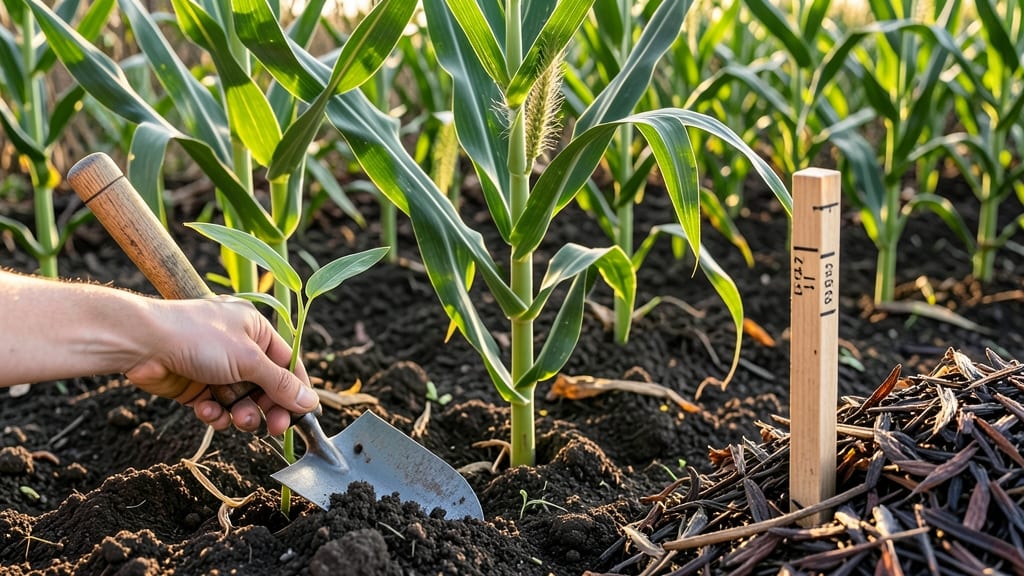
If you've ever stared at your seed packet wondering "when to plant field corn in NC", you're not alone—getting the timing right can make or break your harvest.
North Carolina's varied climate means what works in the Coastal Plain might fail in the Mountains, and those 30-day windows matter more than you think.
Field corn 🌽 thrives when planted between mid-April and early June, but your exact date depends on your county's last frost date and soil temperature. Too early, and cold soil stunts germination; too late, and your crop may not mature before the first frost in November.
I'll break down how to read your local microclimate like a pro.
We'll cover the critical factors that shift planting timelines—like drought risks in the Piedmont or humidity spikes in the Coastal Plain—and how to adjust for early vs. late varieties.
Whether you're a backyard gardener or a small-scale farmer, these insights will help you avoid common mistakes that waste seeds and effort.
Ready to turn your corn patch into a productive powerhouse? Let's dive into the county-specific dates and soil science that will give you the confidence to plant at the perfect moment—because in NC, timing isn't just about the calendar, it's about the climate.
NC county-specific field corn planting dates by region
North Carolina’s three distinct regions—Coastal Plain, Piedmont, and Mountains—each have unique frost patterns and soil warming rates. Planting field corn at the wrong time can lead to stunted growth or frost damage, so knowing your USDA zone (typically 7a-8b) is critical.
Coastal counties like Johnston often see frost-free dates as early as March 15, while mountain counties like Watauga may wait until April 15 or later.
Soil temperature is the real game-changer. Field corn seeds need 50-60°F soil to germinate consistently. A soil thermometer is your best friend—planting too early in cold soils can cause uneven sprouting or rot.
In Coastal Plain regions, you can often start in mid-April, while Mountain growers should wait until late April to early May.
Here’s how to align your planting with NC’s regional norms:
| Region | Key Counties | Last Frost Date | Ideal Planting Window | Soil Temp Goal |
|---|---|---|---|---|
| Coastal Plain | Johnston, Craven, Brunswick | Late March | Mid-April to early May | 55-60°F |
| Piedmont | Guilford, Forsyth, Wake | Early April | Late April to early June | 50-55°F |
| Mountains | Watauga, Haywood, Mitchell | Mid-April | Late April to mid-May | 50-58°F |
For example, in Guilford County (Piedmont), aim to plant by May 1 to avoid late-summer drought stress. Meanwhile, Brunswick County growers can push planting into early June thanks to longer growing seasons. Always check the NC State Climate Office for year-to-year variations in frost dates.
Pro tip: Use black plastic mulch to warm soil faster in cooler regions like the Mountains. This can shave off 1-2 weeks from your planting timeline by raising soil temps by 5-10°F. Just be sure to remove it before harvest to avoid contaminating your crop.
If you’re in a transition zone (e.g., Durham between Coastal Plain and Piedmont), err on the side of planting 2 weeks later than the Coastal Plain schedule. These areas often experience unpredictable spring frosts, and corn is especially vulnerable during its first 4-6 weeks of growth.
Another critical factor is daylength. Field corn responds to increasing daylight, so planting too early in short-day conditions (like March) can delay tasseling. Wait until April or later to align with NC’s natural light progression.
For organic growers, consider cover cropping with clover or vetch over winter. These crops add 2-3°F to soil temperature in spring while improving soil structure—giving your corn seeds a warmer, more fertile start.
Finally, keep an eye on NOAA’s 7-day forecasts. If a late frost is predicted after your planting, delay by 1-2 weeks rather than risking damage. Corn seedlings can survive 28°F briefly, but 24°F or lower will kill them outright.
How to adjust planting dates for early vs. late varieties
Field corn varieties in North Carolina aren’t one-size-fits-all—early-season hybrids like ‘Pioneer 39B38’ mature in just 90-100 days, while full-season varieties like ‘AgriPro 707’ need 110-120 days. Your county’s last frost date and first frost risk determine which to choose.
For example, in Watauga County (Mountains), plant early varieties by May 1 to avoid frost, while Johnston County (Coastal Plain) can safely plant late varieties until June 1.
Avoid common mistakes like planting short-season corn too late—it won’t reach maturity before frost. Conversely, full-season corn planted too early may suffer from drought stress or pest pressure before harvest. Use your USDA zone (5b-8a) as a guide: Zones 7a-8a can handle later plantings, while 5b-6b need early varieties.
Here’s my 3-step decision guide for choosing the right variety:
- Step 1: Check your average first frost date (NC State Extension provides county-specific data).
- Step 2: Subtract your variety’s days to maturity from the frost date. For example, if frost hits October 15 and your corn needs 110 days, plant by June 25.
- Step 3: Verify soil temperature (use a soil thermometer)—wait until it’s consistently 60°F+ for 5+ days.
Pro Tip: For maximum yield, stagger plantings if your growing season is long. Plant early varieties first (April 15), followed by mid-season (May 1), and finally late varieties (June 1). This spreads out harvests and reduces risk from unpredictable weather.
Warning: Never plant corn in cold, wet soils—seeds rot before germinating. If your soil is below 50°F, wait or use black plastic mulch to warm it faster. In drought-prone areas like the Sandhills region, prioritize drought-tolerant varieties like ‘Pioneer 32B38’.
Regional Example: In Guilford County (Piedmont), where frost typically arrives October 20, I plant:
- Early (90-day): April 20–May 10 (e.g., ‘Pioneer 39B38’)
- Mid-season (105-day): May 15–June 1 (e.g., ‘AgriPro 707’)
- Late (120-day): June 5–15 (e.g., ‘DKC62-88’)
Final Tip: Always buy NC-adapted seeds from local suppliers like Johnny’s Selected Seeds or Baker Creek. Their varieties are bred to thrive in your humidity and heat—saving you time and headaches later.
🌽