
Plants
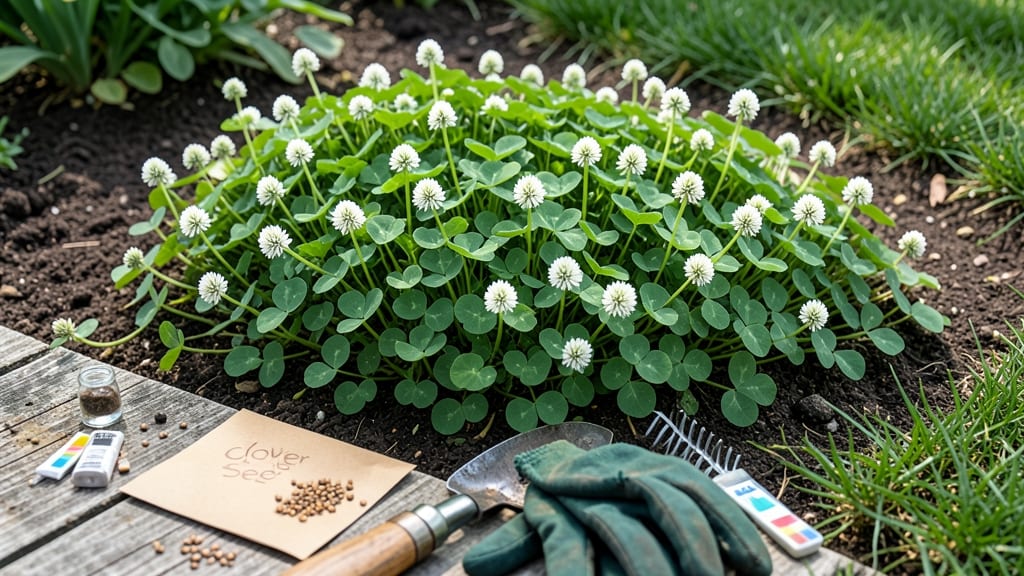
Timing your clover planting in Maryland can feel like guessing when to open an umbrella—too early, and frost zaps your efforts; too late, and weeds steal the show.
The key to a lush, nitrogen-rich ground cover lies in understanding your region’s microclimate, whether you’re in Baltimore’s coastal zone or Frederick’s Piedmont hills.
For USDA zones 7a-7b, the sweet spot arrives in early spring (March-April) or fall (September-October), when soil warms to 50°F and last frost looms.
But Maryland’s coastal areas play by slightly different rules than inland spots—humidity and urban heat islands can shift your ideal window by 2-3 weeks.
I’ll break down the exact weeks before last frost for each clover variety (white Dutch, red, crimson) and how to adjust for your specific corner of the state. Skip the guesswork and plant at the moment when your clover stands the best chance to outcompete weeds and thrive.
Ready to transform your lawn or garden into a thriving ecosystem? Let’s dive into the science-backed timing that’ll have your 🌱 clover growing strong before summer even begins.
Maryland’s exact planting windows for clover by variety (white, red, crimson)
Timing your clover planting in Maryland isn’t one-size-fits-all—each variety thrives at slightly different temperatures and soil conditions. For white Dutch clover, aim to plant 4-6 weeks before your last frost date (typically mid-March to early April in most of Maryland).
This gives seeds time to germinate before soil warms too much, preventing fungal issues. Red clover and crimson clover are more cold-tolerant, so you can push planting to 2-4 weeks before last frost (early March) or even late February in warmer microclimates.
Fall planting is equally critical for persistent cover. White clover seeds should hit the ground 6-8 weeks before first frost (early to mid-September), while red and crimson clover can handle planting until mid-October.
Fall-sown clover establishes roots before winter, giving it a head start in spring. Maryland’s USDA zones 5b-7a mean your exact dates may shift by 1-2 weeks depending on elevation—we’ll cover that next.
Here’s the key rule: Never plant clover when soil temps are below 50°F. Cold, wet soil slows germination and invites rot. Use a soil thermometer to confirm—this is non-negotiable for success. Most Maryland gardeners hit the 50°F threshold by late March inland and early April near the coast.
Pro tip: White clover is the most flexible for Maryland gardens because it handles both spring and fall plantings equally well. If you’re using it as a living mulch under fruit trees, plant in early spring to establish before weeds take over.
For soil improvement, fall planting often yields better results—roots fix nitrogen more efficiently when established before winter.
Maryland’s coastal regions (like Annapolis) often see warmer soil earlier than inland areas, so you can plant 2 weeks ahead of Piedmont zones (Frederick, Baltimore). Use your local Maryland Extension office frost data to fine-tune dates—this is your best insurance against failed plantings.
For example, Western Maryland’s higher elevations may need to wait until mid-April for spring plantings due to lingering cold snaps.
One mistake I see often is planting red clover too late in spring. By May, soil temperatures can spike to 70°F+, causing seeds to dry out before germinating. If you miss your spring window, hold off until fall—don’t try to force it in late spring.
The same goes for crimson clover, which bolts (goes to seed) faster in hot weather, reducing its ground-cover benefits.
For maximum nitrogen fixation, aim for two plantings per year: once in spring and once in fall. This creates a continuous living mulch that suppresses weeds year-round. Start with a small test patch (10x10 feet) to gauge germination rates before committing to large areas.
Adjust your timing based on how quickly the clover establishes—this is your real-world feedback loop.
Remember: Clover seeds are tiny—about the size of poppy seeds. Use a seed broadcast spreader or mix them with sand for even distribution. Lightly rake the soil to ensure seed-to-soil contact, then water gently to avoid washing seeds away.
This step alone can double your germination success rate in Maryland’s often windy conditions.
Finally, if you’re planting clover as a cover crop before vegetables, time it to be tilled under 4-6 weeks before planting your main crops. This gives the clover time to decompose and release nitrogen without competing with your veggies.
For example, plant clover in early September and till it under by late October for spring planting.
🌱
How to adjust planting timing for Maryland’s microclimates (coastal vs. Piedmont vs. mountain)
Maryland’s diverse geography means your clover planting window can vary by 1-3 weeks depending on whether you’re in Baltimore’s coastal zone, Frederick’s Piedmont region, or Western Maryland’s mountains.
These microclimates create distinct soil temperatures, humidity levels, and frost risks—so one-size-fits-all advice won’t cut it. Let’s break down the exact adjustments you need.
Coastal areas like Annapolis or Baltimore experience milder winters and later frosts, thanks to the Chesapeake Bay’s heat retention. Here, you can safely plant white Dutch clover as early as late February if soil temperatures hit 50°F.
Inland Piedmont regions (think Frederick or Hagerstown) typically wait until mid-March to avoid frost damage, while Western Maryland’s higher elevations may need to delay until early April.
🌱 Maryland Microclimate Planting Adjustments
| Region | Last Frost Date | Optimal Planting Window | Soil Temp Threshold | Risk of Early Planting |
|---|---|---|---|---|
| Coastal (Baltimore, Annapolis) | April 1-15 | Late Feb - Early Mar | 50°F (10°C) | Fungal rot from wet soil |
| Piedmont (Frederick, Hagerstown) | April 10-20 | Mid-Mar - Early Apr | 52°F (11°C) | Frost damage to seedlings |
| Mountain (Cumberland, Deep Creek Lake) | May 1-10 | Early Apr - Mid-Apr | 55°F (13°C) | Slow germination in cold soil |
*Source: Maryland Extension Service climate data (2023)
For fall planting, the opposite rules apply. Coastal areas can extend planting into early November thanks to delayed frosts, while mountain regions should wrap up by mid-October.
Use a soil thermometer to confirm temperatures stay above 55°F for at least 10 days post-planting—this ensures roots establish before winter dormancy.
Urban heat islands in cities like Baltimore or Columbia can create microclimates where soil warms 2-3 weeks earlier than rural areas. If you’re in a paved-heavy neighborhood, test soil temperature 2 inches deep—if it’s consistently 5°F warmer than nearby fields, you can plant 1 week ahead of regional guidelines.
Just monitor for drought stress in exposed urban soils.
Pro tip: Check the Maryland Department of Agriculture’s frost forecast (updated weekly) for real-time adjustments. Their cooperative weather stations provide hyper-local data that beats generic zone maps. For example, Dulles International Airport (Piedmont) often runs 5°F warmer than nearby Sterling, creating a 10-day planting window shift.
If you’re unsure about your microclimate, err on the side of planting later. Clover is resilient—it’ll bounce back from a 2-week delay better than it handles cold, wet soil that smothers seeds.
For high-altitude gardens above 2,000 feet, consider starter clover plugs instead of seeds—they establish faster in cool conditions.