
Planting
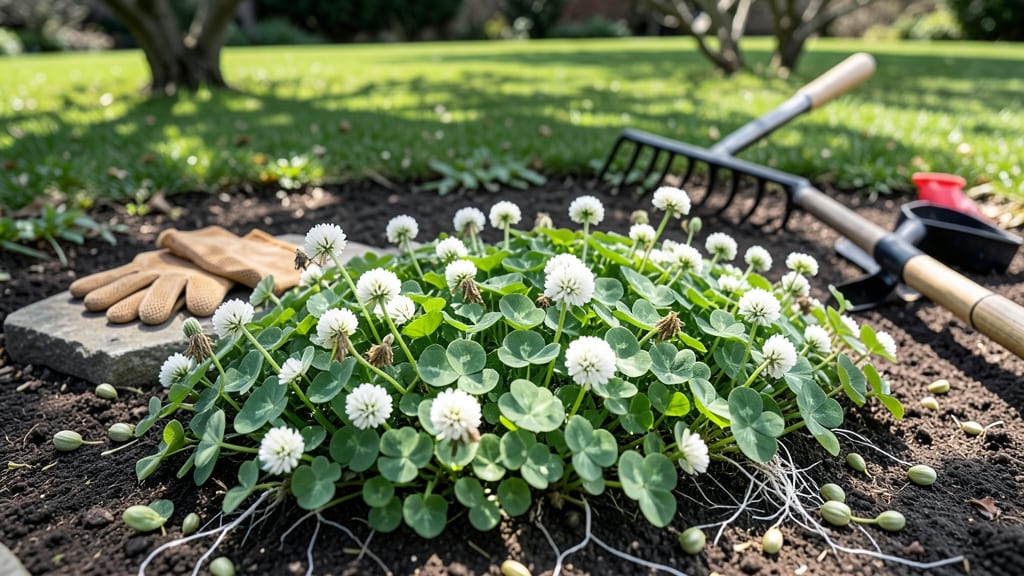
Planting clover in your lawn at the wrong time can leave you with patchy growth—or worse, wasted seeds. The best months to plant 🌱 clover depend on your climate zone, but getting it right means a lusher lawn with natural fertilization and drought resistance.
If you're in USDA Zone 6a, like many gardeners in the Midwest or Northeast, early spring or early fall are your sweet spots. These windows give clover seeds the ideal conditions to germinate before extreme heat or cold sets in. Skipping this timing could mean struggling with poor establishment.
I’ve seen firsthand how a well-timed planting transforms a lawn—adding vibrant green patches that thrive year-round. Whether you’re overseeding an existing yard or starting fresh, the key is understanding your local frost dates and soil temperatures. Let’s break down the perfect planting schedule for your region.
Ready to skip the guesswork? You’ll learn exactly which months work best for your climate, how to prep your soil, and even how to tell if you’ve planted too early or too late. Let’s get your lawn growing stronger, naturally.
Best months to plant clover in my lawn by U.s. climate zone
Planting clover in your lawn isn’t just about dropping seeds—it’s about choosing the perfect window when soil, weather, and your climate zone align. Clover thrives in specific conditions, and timing directly impacts whether it establishes roots, crowds out weeds, or fades into obscurity.
For cool-season clover (like white clover), early spring or early fall offers ideal soil temperatures and moisture. Meanwhile, warm-season clover (like red clover) prefers late spring to early summer when heat is consistent but not scorching.
Your U.S. climate zone plays a huge role. Northern regions with cold winters (USDA Zones 3–5) should focus on early spring planting, while Southern zones (6–10) can extend into late fall.
Transitional zones (like Zone 6) have a bit more flexibility but still need to avoid extreme heat or frost. Let’s break down the best months for each zone to ensure your clover takes hold and stays lush.
🌱 Clover Variety Matters: White clover (Trifolium repens) is the most common lawn variety, while red clover (Trifolium pratense) is often used for soil improvement. White clover thrives in cooler months, while red clover prefers warmer temperatures. Always check the seed packet for specific recommendations.
| Climate Zone | Best Planting Months | Soil Temp Range (°F) | Clover Type |
|---|---|---|---|
| Northern (Zones 3–5) | March–April, September–October | 50–65°F | White clover |
| Transitional (Zone 6) | February–March, August–September | 55–70°F | White or red clover |
| Southern (Zones 7–10) | April–May, September–October | 60–75°F | Red clover (spring), White clover (fall) |
| Arid/Southwest (Zones 8–10) | October–November, March–April | 65–80°F (avoid summer heat) | White clover (drought-tolerant) |
✅ Pro Tip: Test soil moisture before planting—clover seeds need consistent dampness for 2–3 weeks to germinate.
If you’re in the Northern U.S. (Zones 3–5), aim for March or early April to give clover time to establish before summer heat sets in. September or October is your second chance—just ensure the ground isn’t frozen.
For Southern zones (7–10), late spring (April–May) or early fall (September–October) works best, as summer’s intense heat can stress young clover plants.
In transitional zones (like Zone 6), you’ve got a bit more flexibility. Plant in February–March for spring growth or August–September to avoid summer’s peak. The key is avoiding extreme temperatures—clover seeds won’t germinate well if the soil is too hot or cold.
Always check a 7-day forecast for steady rain or plan to water lightly daily until sprouts appear.
For arid climates (Southwest U.S.), timing is critical to avoid drought stress. Plant in late fall (October–November) or early spring (March–April) when temperatures are mild and rainfall is more predictable.
White clover is your best bet here—it’s drought-tolerant once established and won’t bolt in the heat like red clover might.
One common mistake? Planting clover in summer’s peak (June–July) when soil temperatures exceed 80°F. Seeds can dry out before germinating, and young plants may struggle to survive. Similarly, planting too late in fall (after first frost) risks seeds freezing before they sprout.
Always align your planting with local frost dates—check the USDA Plant Hardiness Zone Map for your area.
Ready to plant? Start by mowing your lawn short (about 1–2 inches) and raking to expose soil. Lightly loosen the top 1/4 inch of soil with a rake or aerator—this helps seeds make contact with moisture.
Scatter seeds evenly (about 1–2 lbs per 1,000 sqft) and lightly cover with a thin layer of soil or compost. A gentle watering will signal the seeds it’s time to sprout.
🌿 Why Timing Matters: Planting clover at the right time ensures it
Best months to plant clover by U.s. climate zone
Clover thrives when planted during ideal temperature windows, but the best months depend on your U.S. climate zone and whether you're growing cool-season (white clover) or warm-season (red clover) varieties. In northern regions (Zones 3-5), aim for early spring (March-April) or early fall (September-October) to avoid frost damage.
Southern gardeners (Zones 7-10) can plant late winter (February-March) or late summer (August-September) for optimal germination.
For transitional zones (6-7), both spring and fall work well, but early spring gives clover a full growing season before summer heat.
Always check your last frost date—planting too early risks frost damage, while planting too late may stress young seedlings. Pro tip: Soil should be 50–70°F for cool-season clover and 60–85°F for warm-season types before planting.
🌱 Clover Planting Guide by Climate Zone
| Zone | Best Months | Soil Temp | Notes |
|---|---|---|---|
| 3-5 (Northern) | March-April, Sept-Oct | 50-70°F | Avoid frost; use white clover |
| 6-7 (Transitional) | Feb-Mar, Aug-Sept | 55-75°F | Spring preferred for faster growth |
| 8-10 (Southern) | Feb-Mar, Aug-Sept | 60-85°F | Red clover tolerates heat better |
In drought-prone areas, prioritize fall planting—clover establishes roots before winter and handles summer dry spells better. If you’re overseeding an existing lawn, late summer (August) is ideal because warm soil speeds up germination before cooler fall temps slow growth.
Just ensure your lawnmower blade is set to 1–1.5 inches to protect young clover shoots.
For container gardens, plant clover seeds 4–6 weeks before your average last frost in small pots with well-draining soil. Transplant seedlings to your lawn once soil warms to 60°F and nighttime temps stay above 50°F.
Containers help you time germination more precisely, reducing risks from unpredictable outdoor weather.
If you miss the ideal window, don’t panic—overseeding in early spring still works, though growth may be slower. For warm-season clover, a late summer planting can still yield good results if followed by consistent moisture.
Just monitor soil moisture closely, as young clover is sensitive to both drought and waterlogging.
Remember: Clover fixes nitrogen in the soil, so even if germination is slower, the long-term benefits for your lawn’s health make the timing worth perfecting. Start with a small test patch to refine your local conditions before committing to a full lawn renovation. 🌱