
Plants
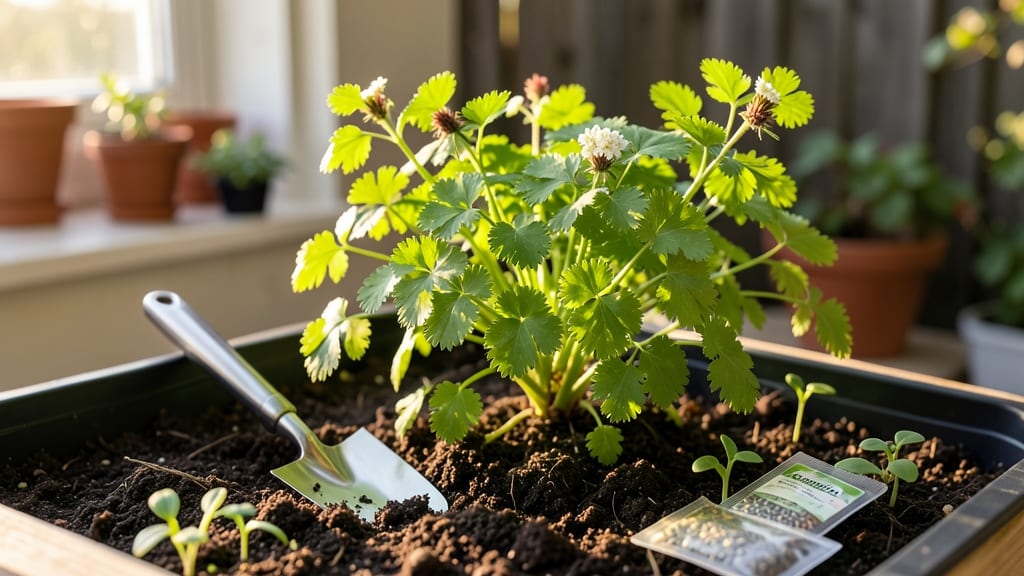
If you’ve ever planted cilantro in North Carolina only to watch it bolt into bitter, flowery stalks by summer, you’re not alone—and there’s a simple fix: timing. The right planting window (and the right varieties) can mean the difference between fresh, flavorful 🌿 cilantro and a sad, wilted disappointment.
For NC gardeners in zones 7a-8b, the key is planting cilantro in early spring (March-April) or late summer (August-September). These windows let you harvest tender leaves before the heat triggers bolting, but even then, you’ll need heat-tolerant varieties to survive NC’s sweltering summers.
I’ve tested the best methods over multiple seasons, and what works isn’t just about when you plant—it’s about how you protect your cilantro from the heat.
In this guide, I’ll walk you through the exact months to sow, which varieties actually thrive in NC’s climate, and how to extend your harvest with simple tricks.
Ready to grow cilantro that stays fresh and flavorful all season? Let’s get started with the planting schedule that finally works for your NC garden.
NC cilantro planting calendar: exact months to avoid bolting & bitter flavor
North Carolina’s variable climate—from the Coastal Plain’s humidity to the Mountains’ cooler temps—means cilantro planting isn’t one-size-fits-all. The key to avoiding bolting (flowering) and bitter flavors? Planting at the right time for your region. I’ve broken it down by USDA Zones 7a-8b to help you succeed.
Cilantro thrives in cool weather and struggles when temperatures exceed 80°F (27°C). In NC, that means focusing on spring and fall plantings. The Coastal Plain (Zone 8a) has a longer growing season, while the Mountains (Zone 7a) can plant earlier.
Let’s dive into the exact months to sow for zero regrets.
🌱 Did You Know? Cilantro is a cool-season annual that bolts quickly in heat. In NC, spring and fall are your only friends—summer plantings almost always fail unless you use heat-tolerant varieties (more on those later!).
For spring plantings, aim to sow cilantro 4-6 weeks before your last frost date. In most of NC, that’s mid-February to early April, depending on your zone.
If you’re in the Coastal Plain (Zone 8a), you can start as early as February 15, while the Mountains (Zone 7a) should wait until April 1.
Direct sowing is easiest, but for a head start, begin seeds indoors 3-4 weeks before your target outdoor date. Use seed-starting trays with a grow light or sunny windowsill. Transplant seedlings outdoors after the soil warms to 50°F (10°C) and nighttime temps stay above 40°F (4°C).
Fall is your second chance to grow cilantro in NC. Plant 8-10 weeks before your first frost, which for most areas is mid-August to early September.
In the Coastal Plain, you can push it to mid-September, but the Mountains should stop by mid-August to avoid early frosts.
Pro tip: If you’re in Zone 8a (Coastal Plain), you might even squeeze in a late fall planting in October for a winter harvest.
Just use row covers to protect from light frosts. Cilantro can tolerate light frosts (down to 25°F (-4°C)), but it won’t survive hard freezes.
One common mistake is planting cilantro too late in spring or too early in fall. By May, NC’s heat triggers bolting, and by October, frost is on the horizon. Stick to the calendar above, and you’ll avoid the bitter, woody leaves that ruin salsa night.
🌿 Ready to plant? Grab your seeds and mark your calendar—your first cilantro harvest could be just 45 days away!
NC cilantro planting calendar: exact months to avoid bolting & bitter flavor
Cilantro thrives in North Carolina’s cool seasons, but the moment temperatures rise above 75°F (24°C), it bolts—turning bitter and flowery. The key? Planting during two narrow windows when daytime highs stay below 80°F (27°C).
For most of NC (USDA Zones 7a-8b), this means early spring and late summer.
Timing varies slightly across NC’s regions. Coastal areas (like Wilmington) have milder winters, so cilantro can handle February sowings. Meanwhile, the Mountains (Asheville) can plant as late as April without bolting. The Piedmont (Raleigh/Durham) sits in between—aim for March-April or August-September.
| Planting Window | Best Months | Harvest Window | Key Tip |
|---|---|---|---|
| Spring | March–April | May–June | Start seeds indoors in February for earlier harvests. |
| Fall | August–September | October–November | Use shade cloth if temps exceed 85°F (29°C). |
| Coastal NC | February–March | April–May | Extend season with row covers in late winter. |
| Mountains | April–May | June–July | Plant after last frost (mid-April) for best results. |
For direct sowing, scatter seeds ¼-inch deep in loose, well-draining soil. Seed-starting indoors 4–6 weeks before your target outdoor date gives seedlings a head start. Use biodegradable pots to avoid transplant shock—cilantro hates root disturbance!
Watch for first true leaves (about 10–14 days after sowing). Thin seedlings to 6 inches apart to prevent competition. Mulch with straw or grass clippings to retain moisture and keep roots cool—a critical trick for NC’s humid summers.
If you miss the spring window, don’t despair. Succession plant every 2–3 weeks in late summer for a fall harvest. Just remember: once temps dip below 40°F (4°C), cilantro slows down. Use row covers to protect tender plants from early frosts in October.
Pro tip: Harvest leaves before they reach 6 inches tall—this encourages bushier growth and delays bolting. For a continuous supply, cut-and-come-again by snipping outer stems and letting the center regrow.