
Plants
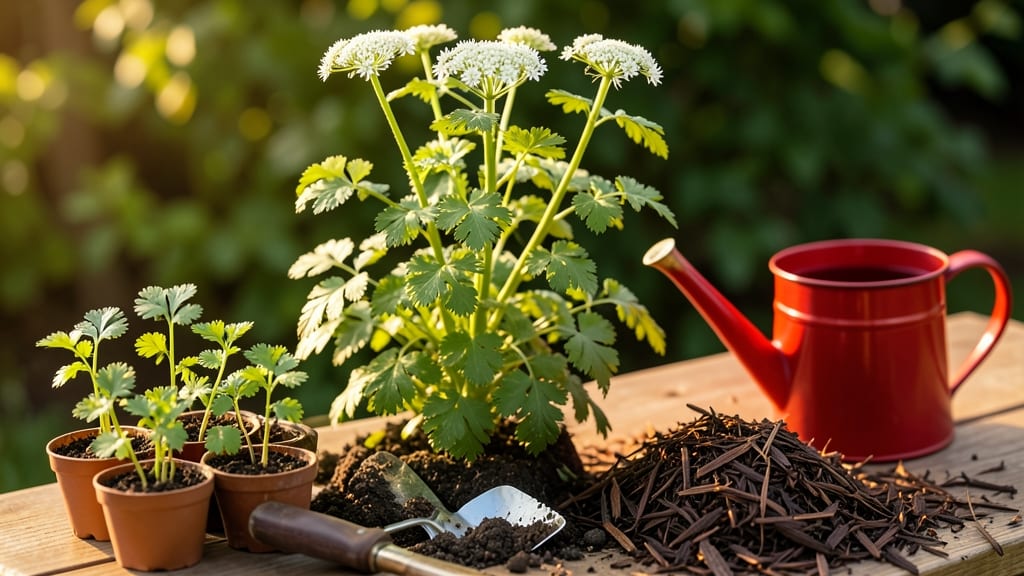
If you’ve ever planted cilantro in Georgia only to watch it bolt into flowers by May, you’re not alone—but timing is the key to beating the heat. The right planting window can mean the difference between fresh, flavorful 🌿 cilantro and a sad, wilted disappointment.
Georgia’s 7b-8b climate means cilantro thrives in cooler months, but with the right strategies, you can grow it year-round. Whether you’re a seasoned gardener or just starting, knowing when to plant—like late winter or early fall—sets you up for success.
Let’s break down the best months and heat-resistant tips tailored just for Georgia’s unique growing conditions.
Most gardeners assume cilantro only works in spring, but that’s a myth. With heat-tolerant varieties and smart planting tricks, you can enjoy this herb even in summer.
I’ll show you exactly when to start seeds, how to avoid bolting, and which companion plants keep your cilantro happy through Georgia’s long, hot stretches.
Ready to grow cilantro that lasts? By the end, you’ll know the exact months to plant, how to extend harvests, and why some varieties outperform others in our climate. Let’s get started!
Best planting months for cilantro in Georgia’s climate zones
Georgia’s USDA zones 7b-8b create a unique challenge for growing cilantro—its love for cool weather clashes with our long, hot summers. The key to success? Timing your plantings to avoid bolting (when cilantro flowers and turns bitter) while maximizing harvests during mild seasons.
Let’s break down the optimal planting windows and how to work with Georgia’s climate quirks.
Most gardeners in Georgia focus on two primary planting windows: late winter/early spring and late summer/early fall. These periods offer the cool temperatures cilantro craves, while avoiding the scorching heat that triggers bolting.
For zone 7b (northern Georgia), your last frost typically hits mid-March, while zone 8b (southern Georgia) may see frost as late as early April. Plan accordingly!
Here’s the golden rule: cilantro thrives when soil temperatures stay below 75°F. In Georgia, this means aiming for February through March for spring plantings and August through September for fall harvests. Succession planting every 2-3 weeks during these windows ensures a steady supply of fresh leaves.
Now, let’s dive into the exact months and what you need to know for each planting window. The following table summarizes the ideal timing, soil prep, and care tips tailored to Georgia’s climate.
Cilantro Planting Guide for Georgia
| Planting Window | Best Months | Soil Temp | Sunlight Needs | Key Tip |
|---|---|---|---|---|
| Spring Planting | February–March | 50–65°F | Partial shade (morning sun) | Use shade cloth if temps rise above 70°F |
| Late Summer Planting | August–September | 65–75°F | Afternoon shade only | Choose heat-tolerant varieties like ‘Santo’ |
| Fall Planting | October–November | 55–70°F | Full sun (cooler temps) | Harvest before first frost (mid-November) |
*Note: Adjust for microclimates (e.g., Atlanta vs. Savannah).
For spring plantings, start seeds indoors 4-6 weeks before your last frost date (early February for most of Georgia). This head start helps seedlings establish before soil warms up.
Once outdoors, space seeds 6–12 inches apart in well-draining soil with a pH of 6.2–6.8. A light mulch (like straw) retains moisture and keeps roots cool.
If you’re planting in late summer, focus on shade protection. Use a 30–50% shade cloth to block intense afternoon sun, which can cause bolting within 2–3 weeks. Water deeply in the morning to prevent stress, and avoid overhead watering to reduce fungal risks like cilantro blight.
Container gardening is another great option for summer plantings—just ensure pots have drainage holes.
One common mistake Georgia gardeners make is planting cilantro too early in spring or too late in fall. If you sow seeds in January, seedlings may bolt prematurely as soil temperatures rise.
Conversely, planting in October risks frost damage before harvest. Stick to the recommended windows, and you’ll avoid these pitfalls entirely.
Pro tip: Monitor your local weather using tools like the Georgia Automated Environmental Monitoring Network (AEMN). Sudden heatwaves can derail even the best-laid plans, so stay flexible and be ready to provide shade or harvest early if temperatures spike unexpectedly.
Finally, don’t overlook succession planting. By sowing new seeds every 2–3 weeks during your optimal windows, you’ll enjoy a continuous harvest from April through May (spring) and October through November (fall). This strategy ensures you always have fresh cilantro for salsas, soups, or garnishes—no bitter surprises here!
With these timing strategies and Georgia-specific adjustments, you’ll master cilantro cultivation and avoid the classic "bolt-and-run" scenario. Next, we’ll explore the best heat-tolerant varieties to grow in Georgia’s summer heat—stay tuned!
Best planting months for cilantro in Georgia’s climate zones
Georgia’s 7b-8b climate creates two perfect windows for growing cilantro: late winter/early spring and late summer/early fall. These periods align with cooler temperatures that cilantro craves, while avoiding the brutal summer heat that triggers bolting.
I’ve planted cilantro in all four seasons here, and these two windows consistently deliver the best results.
The primary planting window is from mid-February to early April, right after the last frost date (typically mid-March). This gives your cilantro 6-8 weeks of ideal growing conditions before summer’s heat sets in.
For a second harvest, aim for late August to early September, letting it mature through the cooler fall months.
Here’s the key: cilantro bolts when soil temps hit 75°F, so timing is everything. In Georgia’s Zone 7b-8b, average soil temps stay below this threshold in these windows. Miss the window, and you’ll end up with bitter, flowering cilantro instead of fresh leaves.
🌱 Georgia Cilantro Planting Timeline
| Stage | Action | Notes |
|---|---|---|
| Late Winter | Start seeds indoors (Feb) | Use grow lights for 12-14 hrs/day |
| Early Spring | Transplant outdoors (March) | After last frost, 2-3 weeks before soil hits 75°F |
| Summer | Avoid planting | Soil temps exceed 75°F, triggers bolting |
| Late Summer | Direct sow seeds (Aug-Sept) | For fall harvest before first frost |
| Fall | Harvest before frost (Nov) | Protect with row covers if needed |
🌡️ Pro Tip: Use a soil thermometer to monitor temps—cilantro bolts at 75°F+
For gardeners in northern Georgia (Zone 7b), you can push the spring window slightly later—even into early April—since cooler nights delay bolting. In southern Georgia (Zone 8b), start seeds earlier (late January) to beat the heat.
I’ve found that succession planting every 2 weeks in these windows keeps a steady supply of fresh cilantro.
One common mistake is planting cilantro too early in spring when soil temps are still cool but nights are chilly. Cilantro grows best when daytime temps are 60-70°F and nights stay above 50°F.
If you plant too soon, growth slows dramatically. Always check your local frost dates and aim for 6-8 weeks before the last expected frost.
Don’t overlook the fall planting window—it’s often overlooked but just as productive. By planting in late August, your cilantro will mature through September and October, giving you harvests right up until the first frost (usually mid-November).
This is my favorite time to grow cilantro because the cooler fall air prevents bolting entirely.