
Plants
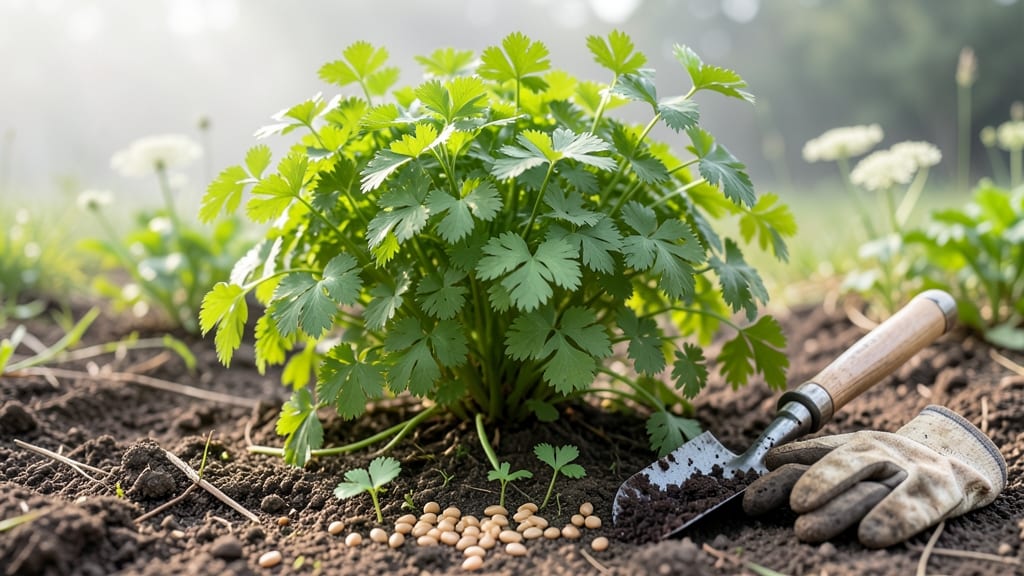
If you’ve ever planted cilantro in Florida only to watch it bolt into bitter, flowery stalks within weeks, you’re not alone. The key to growing lush, flavorful 🌿 cilantro in the Sunshine State isn’t just about soil or water—it’s about timing.
Plant it too early or late, and you’ll end up with a sad, scraggly herb instead of the fresh, vibrant leaves you crave.
Florida’s warm climate means cilantro thrives best during cooler months, but even then, a few degrees too much heat can trigger bolting. The secret? Planting in the right window—whether you’re in North Florida’s 9a zone or South Florida’s balmy 11—and choosing the right varieties that can handle the heat.
I’ve tested what works, and these exact months will give you the best shot at a steady harvest from fall through spring.
You’ll also discover how to stretch your cilantro’s growing season with shade tricks and companion plants, plus which heat-resistant varieties actually perform in Florida’s humidity. No more wasted seeds or bitter surprises—just fresh, ready-to-harvest cilantro whenever you need it.
Ready to turn your Florida garden into a cilantro powerhouse? Let’s dive into the exact planting schedule and pro tips that’ll keep your herb garden productive year-round.
Best months to plant cilantro in Florida (by region & heat zones)
Florida’s warm climate and humidity make cilantro a tricky herb to grow—but timing your plantings right can mean the difference between a flavorful harvest and a bolting disaster.
Unlike northern states, Florida gardeners can grow cilantro year-round, but the key is avoiding peak summer heat (June–August), which triggers premature flowering. Let’s break down the best planting windows for North, Central, and South Florida.
North Florida (USDA Zones 8a–9a, like Jacksonville and Gainesville) has cooler winters and occasional light frosts in December. This means you can plant cilantro as early as September for a fall harvest, then again in February for a spring crop.
Central Florida (Zones 9a–9b, including Orlando and Tampa) enjoys milder winters, so cilantro thrives from October through April. South Florida (Zones 10a–11, like Miami and Fort Lauderdale) can grow cilantro almost year-round, but even here, summer heat will cause bolting.
Here’s the exact planting schedule tailored to Florida’s regions, including ideal start dates and harvest windows to maximize your yield:
| Region | Best Planting Months | Harvest Window | Notes |
|---|---|---|---|
| North Florida (Zones 8a–9a) | September–October, February–March | October–December, April–May | Use shade cloth in summer; protect from light frosts. |
| Central Florida (Zones 9a–9b) | October–November, February–April | November–January, March–May | Avoid planting after April—heat triggers bolting. |
| South Florida (Zones 10a–11) | September–October, February–March | October–December, March–May | Plant in partial shade year-round; succession plant every 2 weeks. |
For North Florida, where temperatures dip below 50°F in winter, cilantro can handle light frosts but may yellow or slow growth. If you’re in Zone 8a, opt for cold-hardy varieties like ‘Santo’ and use row covers for extra protection.
In Central and South Florida, the real enemy is heat, not cold—so focus on shade and consistent moisture to keep plants happy.
Pro tip: Succession planting every 2–3 weeks in fall and winter ensures a continuous harvest. For example, if you plant cilantro in early September in Central Florida, you’ll have leaves ready by October.
Then, plant another batch in late October for a November–December harvest. This method works especially well in South Florida, where you can stretch cilantro growth into early summer with shade.
If you’re tempted to plant cilantro in May or June, think again—unless you’re using heat-resistant varieties (more on those in the next section). Even then, expect bolting within 3–4 weeks unless you provide afternoon shade and deep, frequent watering.
The ideal temperature range for cilantro is 50–75°F, so aim for plantings when daytime highs stay below 85°F.
One more regional tip: Coastal areas (like Miami or Pensacola) have higher humidity and milder winters, so cilantro grows well year-round with partial shade. Inland areas (like Orlando or Tallahassee) experience hotter days and cooler nights, making fall and winter the best times to grow.
Always check your local microclimate—a spot near a large body of water may stay cooler longer, extending your growing season.
Remember, cilantro is a cool-season crop, so the earlier you plant in fall, the longer your harvest window. Start seeds indoors 4–6 weeks before your target outdoor date to give them a head start.
For direct sowing outdoors, wait until soil temperatures drop below 80°F—a simple soil thermometer ($10 at garden centers) takes the guesswork out of timing.
Finally, if you’re in South Florida and want cilantro in summer, try container gardening with 50% shade cloth and daily watering. Even then, expect bolting within 6–8 weeks, so treat it as a short-term experiment rather than a reliable crop. For most Florida gardeners, fall and winter
Best months to plant cilantro in Florida (by region & heat zones)
Florida’s climate offers year-round cilantro potential, but timing is critical to avoid bolting or bitter leaves. The ideal window spans fall, winter, and early spring, when temperatures stay between 50°F and 75°F.
North Florida’s cooler highlands (USDA Zone 8) have stricter timing, while South Florida’s Zone 11 can stretch harvests longer.
In North Florida, cilantro thrives from September through March, with October and February being peak months. Central Florida (Zones 9-10) extends this to April, while South Florida (Zone 11) can plant year-round with shade protection during summer.
Microclimates near coastlines or under trees may allow late spring or early fall extensions.
Here’s your region-specific planting schedule to maximize flavor and yield:
| Region | USDA Zone | Best Planting Months | Avoid Months | Notes |
|---|---|---|---|---|
| North Florida | 8a-9a | Sep, Oct, Nov, Feb, Mar | May-Aug | Frost risk in Dec; use shade cloth in summer. |
| Central Florida | 9b-10a | Sep, Oct, Nov, Jan, Feb, Mar, Apr | Jun-Aug | Partial shade needed in summer; extend to May with care. |
| South Florida | 10b-11 | Year-round (with shade) | None (but yield drops in peak summer) | Use 30-50% shade cloth June-Aug; harvest every 2-3 weeks. |
For spring plantings, start seeds indoors in February and transplant outdoors in March to beat the heat. In fall, direct-sow seeds in September for a winter harvest before temperatures rise. Succession planting every 2-3 weeks ensures a continuous supply.
Watch for heat stress signs: yellowing leaves, slow growth, or premature flowering. If planted in May or June, move containers to shadier spots or use white shade cloth to drop temperatures by 10-15°F. Mulching with straw or pine needles retains moisture and cools roots.
Pro tip: North Florida gardeners can push cilantro into late April by choosing slow-bolting varieties and watering deeply at soil level (not overhead) to prevent fungal issues. South Floridians can experiment with container growing on patios for better temperature control.