
Plants
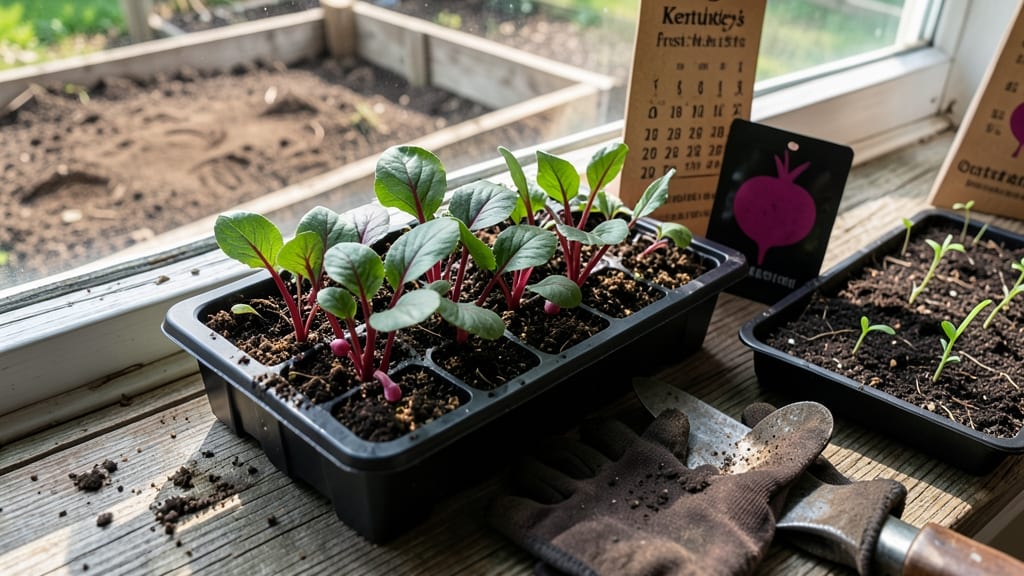
Timing your 🍠 beet planting in Kentucky isn’t just about luck—it’s the secret to sweet, tender roots that thrive in your 6a climate. Plant too early, and frost will turn your hard work to mush; too late, and your beets might bolt or taste bitter.
The difference between a perfect harvest and a disappointing one often comes down to knowing exactly when to drop those seeds.
Kentucky’s spring weather can be as unpredictable as a rollercoaster, but the ideal window for planting beets runs from mid-March to late April, right after your last frost date.
For a fall crop, aim for early September to mid-October—just in time to beat the first frost and give you roots ready to harvest by November. Whether you’re in Louisville’s mild lowlands or the cooler Appalachian highlands, these exact months make all the difference.
What makes beets such a game-changer for Kentucky gardeners? They’re cold-hardy, adaptable, and love the region’s rich soil—if you get the timing right. I’ll walk you through the best varieties for your zone, how to avoid common pitfalls, and even how to extend your harvest season.
Let’s dig in and make sure your beets grow up sweet and plentiful, no matter what Kentucky’s weather throws your way.
From soil temperature tips to frost-date tricks, you’ll learn how to maximize your beet harvest—whether you’re planting in raised beds or containers. By the end, you’ll know exactly when to start those seeds for the juiciest, most flavorful beets your garden has ever seen. Ready to get growing?
Best planting months for beets in Kentucky’s climate zones (6-7)
Kentucky’s USDA zones 6-7 create a unique challenge for beet growers—cool springs, hot summers, and unpredictable frost dates. Unlike some vegetables, beets thrive in cool weather but struggle when temperatures climb above 80°F. In Kentucky, this means timing your plantings carefully to avoid bolting (premature flowering) or stunted growth.
Most Kentucky gardeners focus on two planting windows: early spring (as soon as soil is workable) and late summer/fall (for a second harvest before frost).
The key is aligning your schedule with Kentucky’s average last frost date of March 15 in most regions, though this can vary by microclimate—like the Appalachian highlands or Louisville’s Bluegrass region.
🌱 Kentucky Beet Planting Timeline
| Season | Planting Window | Soil Temp Requirement | Notes for Kentucky |
|---|---|---|---|
| Spring | March 15 – April 30 | 45–55°F | Start seeds indoors 4–6 weeks before last frost for earlier harvests. |
| Fall | September 1 – October 15 | 50–60°F | Avoid planting too late—beets need 50–60 days to mature before first frost. |
| Extended Fall | November (for overwintering) | 40–50°F | Use row covers in Northern KY (zones 6a) to protect from light frosts. |
⚠️ Pro Tip: In Western KY (warmer microclimates), push spring plantings to April 15–May 1 to avoid summer bolting.
For Northern Kentucky (closer to USDA zone 6a), like areas around Paducah or Bowling Green, extend your fall window slightly—planting as late as October 30 can still yield harvests before hard frosts.
Meanwhile, in the Appalachian region, where nights stay cooler, you can plant 2–3 weeks later than the Bluegrass region.
One common mistake Kentucky gardeners make is planting beets too early in February. While soil may thaw, temperatures often dip below 45°F, slowing germination. Instead, wait until soil reaches 50°F—a simple check is pressing your finger into the soil; if it feels cool but workable, it’s ready.
Use a soil thermometer for precision.
If you’re growing beets in containers, adjust your timeline slightly. Containers warm up faster in spring, so start 1–2 weeks earlier than in-ground plantings. For fall, containers also cool down quicker, so plant 2 weeks before your ground-based schedule. Choose 5-gallon pots or larger to accommodate beet roots.
To maximize your harvest, consider succession planting every 2 weeks during Kentucky’s spring and fall windows. This ensures a steady supply of tender beets instead of a single overwhelming harvest.
For example, plant one batch on March 20, another on April 5, and a final one on April 20.
Remember, Kentucky’s humidity and temperature swings can stress beets, so mulch heavily with straw or shredded leaves to retain moisture and regulate soil temperature. This is especially critical during late spring heatwaves, which can cause bolting even if planted at the right time.
For a foolproof schedule, mark your calendar for these Kentucky-specific deadlines:
- Spring: Last planting by May 1 (to avoid summer bolting)
- Fall: Final harvest by November 15 (before hard frosts)
Best planting months for beets in Kentucky’s climate zones (6-7)
Kentucky’s USDA zones 6-7 create a unique challenge for beet growers—cool springs and warm summers demand precise timing.
The average last frost date across most of the state falls between March 15 (Northern KY) and April 1 (Louisville/Bluegrass Region), while Western KY’s milder microclimates may see frost as late as April 10.
These dates mark your planting window, but soil temperature matters just as much as calendar dates.
Beets thrive when soil reaches 45°F (7°C)—a threshold typically met by mid-March in most of Kentucky. However, planting too early risks frost damage to young seedlings, while waiting until late April may delay your harvest.
For fall plantings, aim for early September to ensure roots mature before first frost (November 1), though highland areas like Eastern KY may need to start by mid-August.
| Season | Ideal Planting Month | Soil Temp | Frost Risk |
|---|---|---|---|
| Spring | March 15–April 30 | 45°F+ (7°C+) | Low after April 15 |
| Fall | September 1–October 15 | 50°F+ (10°C+) | High after Nov 1 |
| Extended Fall (Highlands) | August 15–September 15 | 55°F+ (13°C+) | Moderate |
📌 Pro Tip: Use a soil thermometer to confirm readiness—beets won’t germinate below 45°F!
For container gardening in Kentucky, start seeds indoors 4-6 weeks before your last frost date (e.g., late February for Northern KY). Containers warm up faster than ground soil, giving you a head start.
If you’re in Western KY’s warmer zones (7a-7b), you can push spring plantings to early February, but protect seedlings with frost cloth until mid-March.
Kentucky’s humidity and summer heat can stress beets, so avoid planting after May 15 unless you’re using shade cloth. Fall plantings benefit from cooler nights—aim for September 1 in most regions, but highland areas should start by August 15 to beat early frosts.
Always choose cold-hardy varieties like ‘Detroit Dark Red’ or ‘Golden’ for best results in Kentucky’s variable climate.
🌱 Kentucky-Specific Planting Timeline
- Late February: Start containers indoors (Western KY only)
- March 15: Direct sow in Northern KY; use frost cloth
- April 1: Plant statewide (Bluegrass/Western KY)
- May 15: Last chance for spring; use shade cloth
- September 1: Ideal fall start for most regions
- October 15: Final fall planting (highland areas only)
Remember, succession planting every 2 weeks from March to May ensures a continuous harvest. In Kentucky’s climate, this means 6-8 weeks of beets from your spring crop alone—plenty to enjoy fresh, roasted, or pickled!
Always monitor weather forecasts, as late spring frosts (like the 2021 April freeze) can still occur in Northern KY.
🌿