
Plants
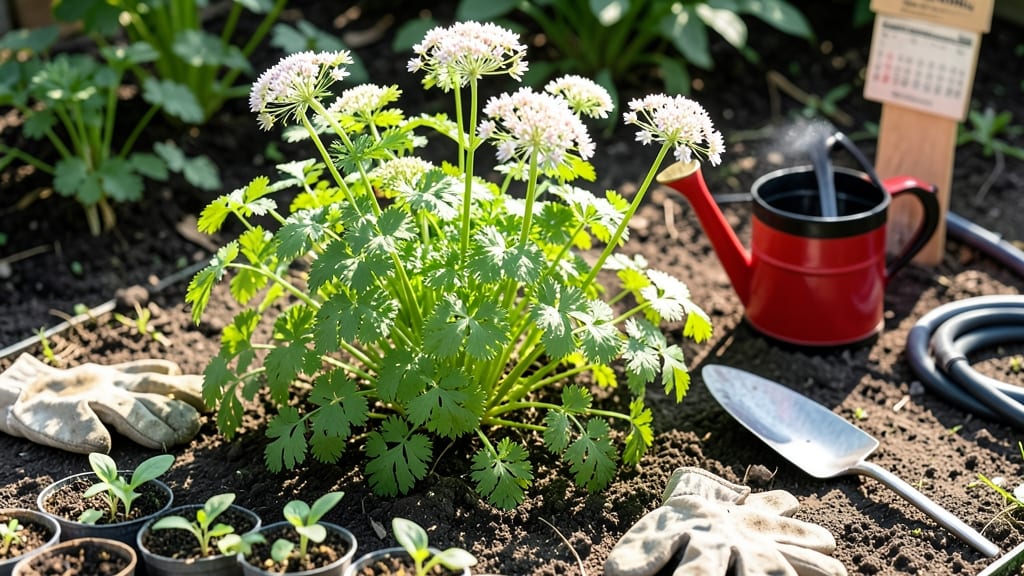
If you've ever planted cilantro in Arizona only to watch it bolt into bitter flowers by June, you're not alone. The key to growing fresh, flavorful 🌿 all season lies in timing—specifically, the two perfect windows when temperatures work in your favor.
Most gardeners in USDA Zone 9b miss the mark by planting too late in spring or too early in fall. But with Arizona's unique climate—where 90°F+ days can turn cilantro into a sad, woody mess—knowing the exact months makes all the difference.
Let me show you the two foolproof planting schedules that actually work here.
We're talking about September-October for fall harvests and February-March for spring, plus how to beat bolting with shade tricks and companion plants. Whether you're in Phoenix or Flagstaff, these methods will keep your cilantro thriving when others give up.
Ready to grow cilantro that stays fresh, tender, and ready to harvest? The secret starts with when you put those seeds in the ground—and trust me, it's not what you've been told.
Best planting months for cilantro in Arizona’s climate zones
Arizona’s USDA zones 7a-11b create wildly different growing conditions, but cilantro thrives in cool weather. The key is planting when temperatures dip below 80°F—any warmer, and your cilantro will bolt faster than a jackrabbit.
For Phoenix and Tucson (zones 9b-11b), focus on fall and winter planting, while Flagstaff and Prescott (zones 7a-8a) can squeeze in an early spring planting.
Summer planting in Arizona is a recipe for disaster. Cilantro hates heat—when temps hit 85°F+, it bolts within 10-14 days, turning your fresh herb into a bitter, flowering stalk.
Even shade won’t save it. Instead, time your plantings to align with Arizona’s cooler seasons when days are shorter and nights are long enough to cool the soil.
Here’s the exact planting schedule that works for Arizona’s two main climate zones:
For Phoenix gardeners, I recommend starting seeds indoors by mid-August to transplant outdoors in late September. This gives seedlings a head start before Arizona’s 100°F+ afternoons arrive. Use shade cloth (30-50%) to protect young plants from even indirect sun until temps drop below 80°F.
In higher elevations like Flagstaff, you can push the envelope slightly. Plant late August for a fall harvest, but be ready to cover crops with row fabric if a 90°F+ day sneaks in.
The goal is to keep soil temps below 75°F—any hotter, and your cilantro will bolt within 2 weeks.
Pro tip: Use a soil thermometer to monitor temps. Cilantro roots prefer 60–70°F soil. If your garden hits 75°F+, your plants will send up flower stalks faster than you can say “salsa night.”
Timing your plantings this precisely means you’ll enjoy fresh cilantro for 60+ days—long enough to stock your freezer or dry leaves for winter use. And if you miss the fall window? Don’t panic. Succession planting in February gives you a second harvest just in time for spring gardening.
One common mistake Arizona gardeners make is planting cilantro too early in spring. By April, daytime temps in Phoenix often hit 90°F+, and even morning shade won’t save your plants.
Wait until February for that second planting—you’ll thank me when your cilantro stays tender and green instead of turning into a bitter, woody mess.
For container growers, the rules are the same, but you’ve got more control. Move pots to shadier spots during peak afternoon heat (12–4 PM) and bring them into partial shade under a patio cover if temps climb above 85°F.
Containers also dry out faster, so check soil moisture daily in summer—even if you’re not planting then.
Best planting months for cilantro in Arizona’s climate zones
Arizona’s USDA zones 7a-11b create dramatic differences in cilantro success. In Phoenix (Zone 10a), summer heat forces bolting within 10 days, while Flagstaff (Zone 7a) can grow cilantro nearly year-round. The key? Planting during cooler months when daytime temps stay below 75°F.
For maximum harvests, focus on two windows: September-October (fall) and February-March (early spring). These months offer ideal temperature balance—cool enough for growth but warm enough to avoid frost damage. In higher elevations, extend planting 2-3 weeks earlier to account for cooler microclimates.
Why summer planting fails: Arizona’s 100°F+ heat triggers cilantro’s bolting reflex within 7-14 days. The plant perceives heat stress as a signal to flower, converting tender leaves into bitter stems. Even shade won’t fully protect it—succession planting in cooler months is your best bet.
| Zone | Best Planting Window | Harvest Window | Key Consideration |
|---|---|---|---|
| Phoenix (10a) | Sep 15-Oct 15 Feb 1-Mar 15 |
Oct-Nov Apr-May |
Use 50% shade cloth in summer |
| Tucson (9a) | Sep 1-Oct 30 Jan 15-Feb 28 |
Oct-Dec Mar-Apr |
Plant near drought-tolerant perennials |
| Flagstaff (7a) | Aug 15-Oct 1 Mar 1-Apr 15 |
Sep-Nov Apr-Jun |
Protect from late spring frosts |
| Sedona (8a) | Sep 10-Oct 20 Feb 15-Mar 30 |
Oct-Dec Apr-May |
Mulch heavily to retain moisture |
In low-desert areas like Yuma (Zone 10b), cilantro can handle short winter days but still needs partial shade. The 60-day rule applies here too—if temps rise above 80°F before your cilantro reaches maturity, it will bolt.
For continuous harvests, stagger plantings every 2 weeks during your zone’s ideal window.
For high-altitude gardens, like those in Prescott (Zone 7b), cilantro thrives in late summer when nights cool down. Test soil temps—cilantro grows best when soil stays between 60-75°F.
Use a soil thermometer to track conditions, especially in microclimates near water features where temps can vary by 10°F.
Remember: Arizona’s unpredictable monsoons can create temporary shade and moisture. Time your first planting to align with July-August rains for a head start, then follow up with fall succession plantings when humidity drops. This two-phase approach gives you harvests in both fall and spring—the perfect cilantro sandwich timing.