
Plants
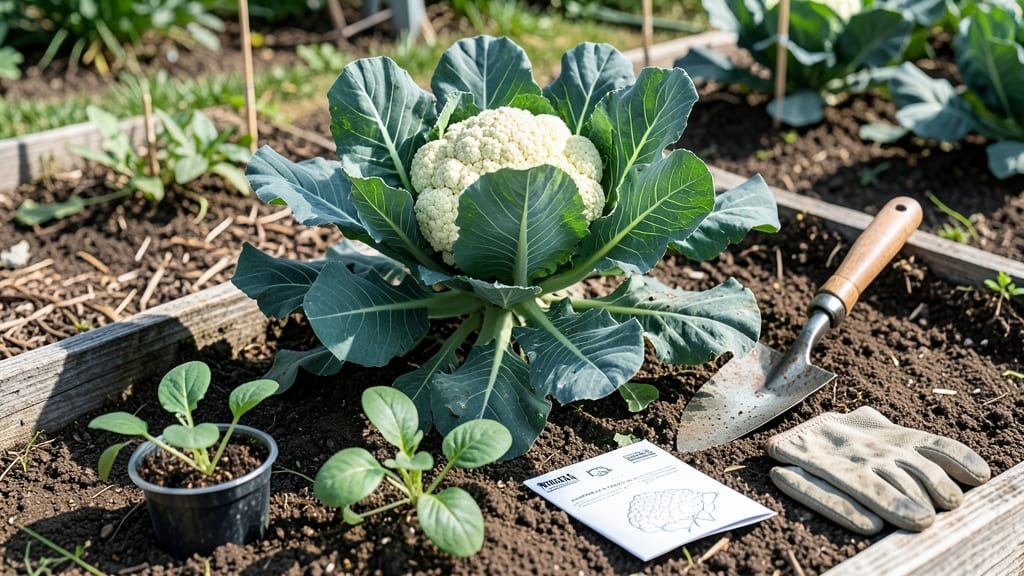
Timing your 🥬 cauliflower planting in Georgia isn’t just about luck—it’s the difference between a bountiful harvest and bitter disappointment. With Georgia’s USDA Zone 7b-8b climate, you’ve got a narrow frost-free window that most gardeners miss, leading to wasted effort and empty garden beds.
I’ve spent years growing cauliflower in Georgia and learned the hard way: planting too early means frost damage, while waiting too long risks bolting before harvest.
The key is understanding your local microclimate—whether you’re in Atlanta’s Piedmont or Savannah’s Coastal Plain—so you can pinpoint the perfect 4-6 week window before your last frost.
In this guide, I’ll break down the exact months to plant for spring and fall harvests, how to prep your soil for Georgia’s clay-heavy dirt, and what to watch for when those first seedlings pop up.
No more guessing—just a foolproof plan to grow the crispest, most flavorful 🥬 cauliflower your neighbors will envy.
Ready to skip the trial-and-error? Let’s dive into the timing secrets that’ll have your garden thriving from February through November—without a single frost-related setback.
Optimal cauliflower planting dates in Georgia’s USDA Zone 8a
Cauliflower thrives in Georgia’s mild winters and warm springs, but timing is everything. In USDA Zone 8a, your last average frost date typically falls around March 15, while the first frost arrives in mid-November.
Planting outside these windows risks stunted growth or bolting—when cauliflower sends up flower stalks instead of forming heads. The key is to align your planting with Georgia’s two ideal windows: late winter/early spring and late summer/early fall.
For spring harvests, start seeds indoors 8-10 weeks before your last frost date (around January 15) or transplant seedlings outdoors in late February to early March. Fall crops require a different approach: sow seeds 10-12 weeks before the first frost (around August 15) for a late-October harvest.
These timelines ensure your plants mature before Georgia’s unpredictable temperature swings.
Microclimates matter in Georgia! Coastal areas like Savannah (Zone 8b) can handle slightly later plantings, while Piedmont regions (e.g., Atlanta) may need to adjust by 1-2 weeks earlier due to cooler nights. Always check your local Almanac’s frost dates or use a frost calendar for precision. A simple online tool like the Georgia Climate Project can provide hyper-local insights.
| Planting Window | Action | Temperature Threshold | Georgia-Specific Notes |
|---|---|---|---|
| Spring | Start seeds indoors | 60-65°F soil temp | January 15 (8-10 weeks before last frost) |
| Spring | Transplant outdoors | 50-55°F soil temp | Late Feb–early March (Piedmont) / Early March (Coastal) |
| Fall | Direct sow seeds | 70-75°F soil temp | August 15 (10-12 weeks before first frost) |
| Fall | Transplant seedlings | 60-65°F soil temp | September 1 (Coastal) / Late Aug (Piedmont) |
| Year-Round | Soil prep | pH 6.0-6.8 | Add compost in fall for spring planting |
Soil temperature is just as critical as air temperature. Cauliflower seeds won’t germinate well in soil colder than 50°F or hotter than 85°F. Use a soil thermometer to monitor conditions—Georgia’s clay soils can stay cool long after air temperatures rise.
If your soil runs hot, opt for shade cloth during peak summer months to protect seedlings.
Georgia’s humidity also plays a role. In the fall planting window, cauliflower may struggle with fungal diseases like downy mildew if nights stay damp. Space plants 18-24 inches apart for airflow and avoid overhead watering.
A mulch layer (straw or pine needles) helps regulate soil moisture and temperature, reducing stress on your plants.
Pro tip: Use self-blanching varieties like ‘Snowball Y Improved’ or ‘Purple of Sicily’ for Georgia’s climate. These types form heads without needing to tie leaves, saving you time and effort. For fall harvests, prioritize early-maturing varieties (60-70 days) to beat the first frost.
Always test your soil’s pH level before planting—Georgia’s native soils often test acidic (below 6.0). Aim for a 6.0-6.8 pH by amending with lime or wood ash 2-3 months before planting. A simple home test kit costs under $10 and prevents costly mistakes.
Remember: Consistency is key. Cauliflower dislikes temperature fluctuations, so avoid planting during Georgia’s unpredictable March or October transitions. Stick to the early spring or late summer windows, and you’ll enjoy a bountiful harvest of tender, flavorful heads.
🥬
Optimal cauliflower planting dates in Georgia’s USDA Zone 8a
Georgia’s USDA Zone 8a offers two prime windows for planting cauliflower: early spring and late summer. The key is avoiding frost risk—cauliflower thrives in cool weather but wilts in heat or freezes below 28°F.
My Atlanta garden (Zone 8a) targets February-March for spring and August-September for fall harvests.
Timing is everything: plant 4-6 weeks before your last frost date (typically mid-March in Atlanta). For fall, aim for 10-12 weeks before first frost (usually mid-November). Use Georgia’s frost-free days (about 210 days) to calculate your window—too early, and seedlings bolt; too late, and heads won’t mature.
| Planting Window | Last Frost Date | Ideal Months | Days to Harvest |
|---|---|---|---|
| Spring | Mid-March | February-March | 75-100 days |
| Fall | Mid-November | August-September | 75-100 days |
🌱 Note: Adjust dates 1-2 weeks earlier for Savannah (warmer microclimate) or later for mountain regions.
Soil temperature matters just as much as air temperature. Cauliflower seeds need soil temps above 40°F to germinate—wait until late February for spring planting. Amend clay-heavy Georgia soil with compost to improve drainage; cauliflower hates soggy roots.
My soil test revealed pH 6.5-7.0 is ideal—add lime if yours is too acidic.
For direct sowing, scatter seeds ½ inch deep and 18 inches apart. Transplants? Set them out when seedlings have 4-6 true leaves (usually 4-6 weeks after sowing).
Harden off seedlings for 5-7 days before transplanting to avoid shock. I use black plastic mulch to warm soil faster in spring—it’s a game-changer for slow starts.
Georgia’s humidity can stress cauliflower, so space plants 2 feet apart for airflow. Avoid planting near broccoli or cabbage to prevent disease buildup. Instead, pair with dill or thyme to deter pests naturally.
My fall crop thrives when shaded from hot afternoon sun—try a light shade cloth if temps exceed 85°F.
Remember: consistency beats perfection. Even a 2-week delay can shift your harvest by weeks. Track your local frost dates using the Georgia Climate Project or your cooperative extension service. With the right timing, you’ll enjoy crisp, sweet cauliflower heads from spring to fall—no bitter surprises here! 🥬