
Companion Plants
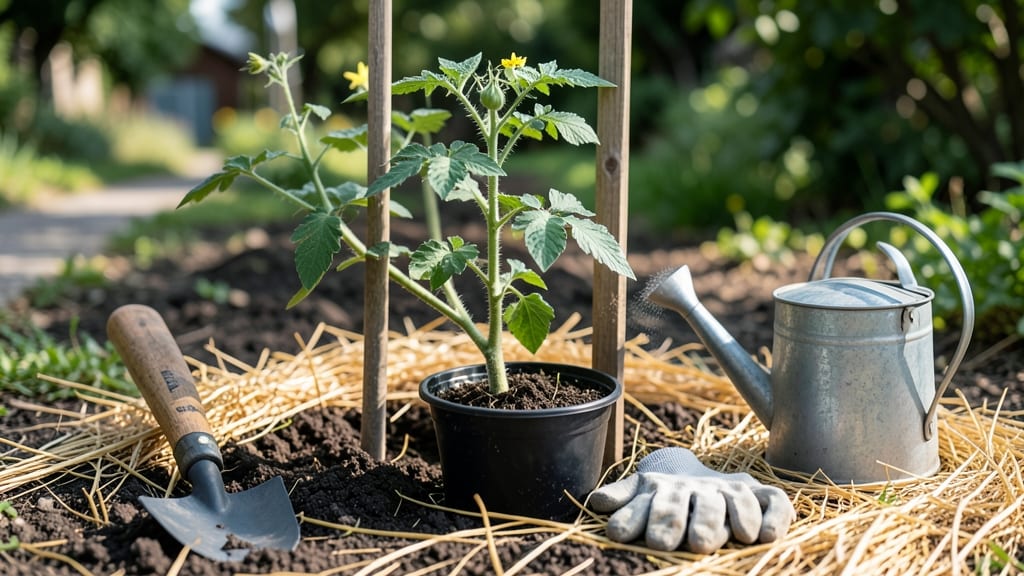
If you’ve ever wondered when should I plant tomatoes in Texas with the right timing to beat the heat—or worse, a surprise frost—you know timing is everything.
Planting tomatoes in Texas isn’t just about grabbing seeds and sticking them in the ground; it’s about mastering the heat zones that can make or break your harvest.
From North Texas’ chilly late frosts to South Texas’ scorching summers, the perfect window shifts dramatically. Miss it, and you’ll either lose your plants to cold snaps or watch them struggle in the heat.
But get it right, and you’ll enjoy juicy tomatoes from June through October—no guesswork, just guaranteed success.
I’ve grown tomatoes in Texas for years, and I’ll show you exactly when to plant—whether you’re starting seeds indoors or transplanting seedlings—so you can skip the trial-and-error. Let’s dive into the zone-specific deadlines that’ll keep your plants thriving, no matter where you are in the Lone Star State.
Ready to turn your garden into a tomato powerhouse? Here’s how to time it perfectly for your Texas heat zone.
Texas heat zone planting deadlines: avoid frost and heat stress
Texas stretches across 10 USDA heat zones (A–J), each with wildly different frost risks and summer extremes. Planting tomatoes at the wrong time means either frost damage or heat stress—both kill yields.
My 20+ years of Texas gardening taught me: soil temperature and nighttime lows matter more than calendar dates.
For North Texas (Zones 7b–8a), like Dallas or Fort Worth, wait until mid-March after the last frost (usually March 1–15).
In Central Texas (Zones 8a–8b), such as Austin or San Antonio, you can start late February once soil hits 60°F (15°C). South Texas (Zones 9a–10a), including Houston and the Rio Grande Valley, lets you plant January–February—but avoid peak summer heat (June–August) for new transplants.
⚠️ CRITICAL RULE: Never plant when nighttime temps dip below 50°F (10°C). Tomatoes won’t survive frost, and slow growth in cool soil leads to blossom drop (no fruit!). Use black plastic mulch to warm soil 5–10°F faster in cooler zones.
Here’s your heat zone-specific planting timeline, including ideal transplant windows and heat-tolerant varieties to maximize survival:
| Heat Zone | Last Frost Date | Best Transplant Window | Soil Temp Requirement | Top Heat-Tolerant Varieties |
|---|---|---|---|---|
| A (Far North) | March 15–April 1 | Late April–May 15 | 60°F+ (15°C+) | ‘Stupice,’ ‘Mountain Merit’ |
| B (North) | March 1–15 | Mid-March–April 15 | 60°F+ (15°C+) | ‘Celebrity,’ ‘Better Boy’ |
| C (Central North) | February 15–March 1 | Late February–March 30 | 60°F+ (15°C+) | ‘Heatmaster,’ ‘Solar Fire’ |
| D (Central) | February 1–15 | January 30–March 15 | 60°F+ (15°C+) | ‘Arkansas Traveler,’ ‘Cherokee Purple’ |
| E (Central South) | January 15–February 1 | January 1–February 28 | 60°F+ (15°C+) | ‘Heatmaster,’ ‘Sun Gold’ |
| F (South) | January 1–15 | December 15–February 15 | 65°F+ (18°C+) | ‘Solar Fire,’ ‘Heatmaster’ |
| G–J (Far South) | None (tropical) | Year-round (avoid June–August) | 70°F+ (21°C+) | ‘Heatmaster,’ ‘Solar Set’ |
For Zone 10a (South Texas), like Brownsville, you can plant year-round—but avoid June–August when temps hit 100°F+ (38°C+). Instead, focus on fall transplants (September–October) for a cool-season harvest before winter rains arrive.
Pro tip: Use shade cloth (30–50%) for new transplants in Zones 9a–10a during 100°F+ days to prevent sunscald. I’ve seen Heatmaster tomatoes thrive under shade in August when temps soar—without it, leaves turn crispy in days.
🌱 Key Takeaway: North Texas = March start, Central Texas = February, South Texas = January or September. Always check your local frost dates (use the Texas A&M AgriLife Extension map) and soil thermometer—don’t guess!
Step-by-step guide: preparing Texas soil and seedlings for tomato success
Texas soil can be tricky—alkaline pH, sandy textures, and intense heat all demand extra prep work before planting tomatoes. I’ve learned the hard way that skipping soil amendments or rushing seedlings leads to stunted growth or disease.
Start 6–8 weeks before your target transplant date to give your plants the best shot at survival.
First, test your soil pH—tomatoes thrive in 6.0–6.8. If your soil tests higher (common in Texas), amend it with sulfur or peat moss to lower pH gradually.
Mix in 2–3 inches of compost or well-rotted manure to improve fertility and water retention. For containers, use a lightweight potting mix with added perlite to prevent compaction.
- Test soil pH (6.0–6.8 ideal); amend with sulfur if alkaline.
- Add 2–3" compost and 1 cup bone meal per planting hole for phosphorus.
- Incorporate black plastic mulch 2 weeks before planting to warm soil faster.
- Move seedlings outdoors for 2–3 hours/day 1 week before transplant.
- Gradually increase exposure to full sun over 5–7 days.
- Water seedlings only at the base to avoid fungal stress.
- Plant seedlings deeper than pots (up to first true leaves) to encourage root growth.
- Space 18–24" apart for determinate varieties; 24–36" for indeterminate.
- Water deeply after transplanting to settle soil and reduce shock.
- Apply mulch (straw or grass clippings) to retain moisture and cool roots.
- Use cages or stakes immediately to support growth.
- Monitor for early blight (brown spots on lower leaves); remove affected leaves promptly.
One of my biggest mistakes? Skipping the hardening-off process for seedlings. Young plants shocked by Texas’ sudden heat or sun will wilting within hours. Start by placing them in partial shade for a few hours, then gradually increase exposure.
By transplant day, they’ll be tough enough to handle the 90°F+ temperatures we often see in March.
After transplanting, mulch is non-negotiable. I use straw or shredded leaves to keep soil temperatures stable and reduce watering needs. In Zone 10a (South Texas), mulch also prevents sunscald—where exposed fruit turns white and leathery from too much direct sun.
Pair mulch with drip irrigation to deliver water directly to roots without wetting foliage, which cuts down on fungal diseases like early blight.
Finally, watch for heat stress signs like yellowing leaves or dropped flowers. If temps hit 95°F+, provide afternoon shade cloth (30–50% shade) until plants adjust. Varieties like ‘Heatmaster’ or ‘Solar Fire’ handle heat better, but even they need consistent moisture during Texas summers.
With these steps, your tomatoes will go from seed to fruit without the common Texas pitfalls—frost damage, heat stress, or soil-borne diseases. The key? Prep early, harden off properly, and mulch like your harvest depends on it—because it does. 🌱