
Planting
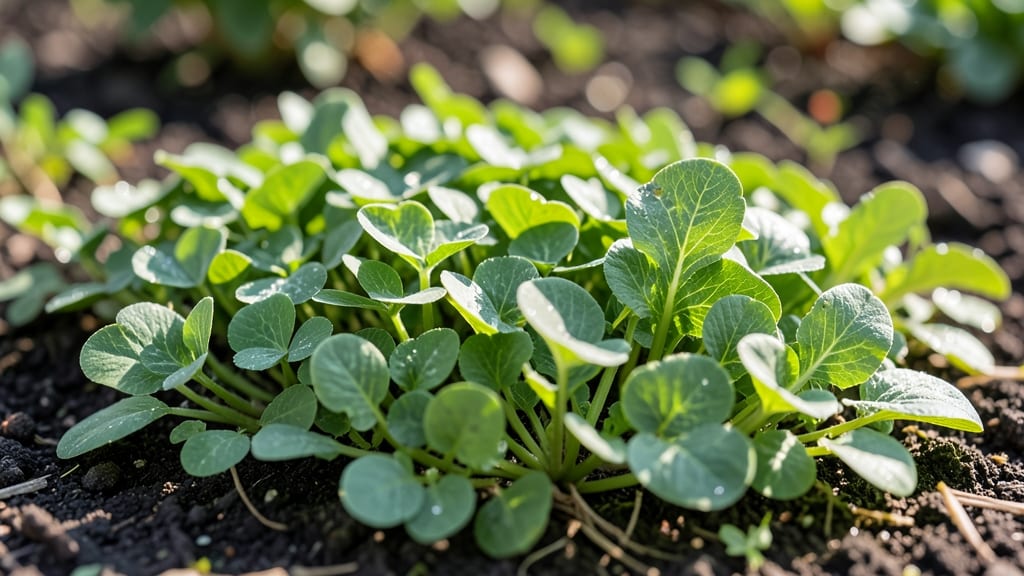
Planting your deer food plot mix 🌾 at the wrong time in Kentucky could mean missing out on peak whitetail activity—or worse, watching your investment disappear before the bucks even show up.
The difference between a thriving plot and a failed one often comes down to understanding when to plant for zero frost risk and maximum deer appeal.
With Kentucky's 6a-7a climate, you’ve got two prime windows: early spring (March-April) and late summer (August-September). But timing isn’t just about months—it’s about soil temperatures, frost dates, and knowing when deer are most active. Get this right, and you’ll have a year-round feeding station that keeps bucks coming back.
I’ve learned the hard way that planting too early risks frost damage, while waiting too late means less growth before winter.
Let me show you the exact months to plant for optimal deer attraction, plus how to adjust for Kentucky’s microclimates—so your food plot becomes the hotspot every hunter dreams of.
From soil prep to seed selection, we’ll cover everything you need to know to make your deer food plot mix a success. Ready to turn your property into a whitetail magnet? Let’s get started.
Best months to plant deer food plots in Kentucky (frost-free timeline)
Kentucky’s 6a-7a climate gives you two prime windows for planting deer food plots: early spring and late summer/fall. Timing matters because deer rely on these plots most during rut season (September-October) and late winter food shortages (February-March).
Plant too early, and frost will kill tender seedlings; too late, and your plots won’t mature before deer need them.
For spring planting, aim for March 15-April 15—after Kentucky’s average last frost date (March 15) but before summer heat sets in. Fall planting should happen August 1-September 15, giving plants 6-8 weeks to establish roots before first frost (November 15).
These windows align with soil temperatures of 50°F+ for germination.
Your region matters: Western Kentucky (Pennyrile) has earlier last frosts (March 1) than Eastern Kentucky (Cumberland Plateau, where frosts linger until April 1). Adjust your timeline accordingly—Bluegrass Region falls in between with March 15 as the cutoff.
Here’s your frost-free planting timeline by region, including ideal seed types for each window:
| Region | Spring Planting Window | Fall Planting Window | Best Seed Mixes | Soil Temp Threshold |
|---|---|---|---|---|
| Western KY (Pennyrile) | March 1–April 15 | August 1–September 15 | Clover + Brassicas | 50°F+ |
| Central KY (Bluegrass) | March 15–April 30 | August 15–September 30 | Chicory + Turnips | 50°F+ |
| Eastern KY (Cumberland Plateau) | April 1–May 15 | September 1–October 1 | Clover + Ryegrass | 55°F+ |
Spring planting focuses on warm-season crops like clover and chicory, which thrive in 60°F+ soil. These plots will peak in late summer, just as deer prepare for rut season. Fall planting, on the other hand, prioritizes cool-season brassicas (turnips, radishes) and ryegrass, which provide winter forage and early spring nutrition.
Pro tip: Test your soil pH before planting—Kentucky’s ideal range is 6.0-7.0. If your soil is too acidic (<5.5), add lime 4-6 weeks before planting. For alkaline soil (>7.5), work in sulfur. Phosphorus and potassium levels should be moderate to high for strong root development.
After planting, water deeply 2-3 times per week until seedlings reach 3-4 inches tall. Once established, reduce to 1 inch per week unless Kentucky’s summer droughts hit. Mulch with straw to retain moisture and suppress weeds—deer love a clean, weed-free plot!
Remember: Deer don’t read calendars, but they do notice when food is abundant. By planting at these optimal windows, you’ll create a year-round feeding station that keeps whitetails visiting—and your land management goals on track. 🌾
How Kentucky’s climate affects food plot success (and when to adjust)
Kentucky’s humid subtropical climate (USDA Zones 6a-7a) creates unique challenges for deer food plots—too much rain can drown seedlings, while summer droughts stress mature plants. Understanding these patterns helps you adjust planting schedules for maximum deer attraction and plot survival.
In western Kentucky’s Pennyrile region, for example, hotter summers demand earlier planting to avoid heat stress, while the Cumberland Plateau benefits from later fall plantings due to cooler microclimates.
The peak rainfall months (May and June) often coincide with ideal planting windows, but excessive moisture can delay germination. I’ve seen clover seeds rot in saturated soil—always plant when soil temperatures reach 55°F+ and rainfall forecasts show dry spells.
For drought-prone areas like the Bluegrass region, consider deep-rooted crops (chicory, alfalfa) that tolerate dry spells better than shallow-rooted clovers.
Humidity spikes in late summer (July-August) create perfect conditions for fungal diseases like leaf spot, which can devastate young food plots. To mitigate this, I recommend planting brassicas (turnips, radishes) in August-September—they grow quickly and provide high-protein forage before frost. These crops also outcompete weeds, reducing maintenance in humid conditions.
Another critical factor is heat stress during Kentucky’s 90°F+ summers. Seedlings planted in late spring (May-June) often struggle to establish roots before extreme heat sets in.
My solution? Use shade cloth for the first 2-3 weeks after planting or opt for fall plantings (August-September) when soil temps drop below 80°F. This timing also aligns with whitetail rut activity (September-October), ensuring your plots are peak attractive when bucks are most active.
⚠️ Climate Adjustment Warning
Kentucky’s microclimates vary drastically—what works in Lexington’s Bluegrass region may fail in Paducah’s Pennyrile plains. Check local frost dates (avg. last frost: March 15, first frost: Nov 15) and adjust planting by 2-3 weeks if your area runs warmer or cooler than average. For example, eastern Kentucky often gets earlier frosts—plant fall plots by August 15 to avoid winter kill.
🌧️ Pro Tip: Use a soil thermometer—ideal planting temps are 55-75°F.
Don’t overlook winter survival, either. Mature food plots with deep root systems (like alfalfa or winter rye) handle Kentucky’s occasional sub-freezing temps better than tender annuals.
I’ve seen clover plots die back in harsh winters but regrow aggressively in spring—this year-round forage keeps deer visiting even in January-February when natural food is scarce.
Finally, adjust your seed mix based on local conditions. In wet years, prioritize drought-tolerant crops (sunflowers, sorghum); in dry years, choose high-moisture crops (clover, brassicas). The Kentucky Agricultural Weather Center offers free seasonal outlooks—bookmark their site for real-time adjustments to your planting schedule.
By accounting for humidity, heat, and rainfall, you’ll create resilient food plots that thrive year-round and keep whitetails feeding—and returning—throughout the season. 🌱🌿