
Plants
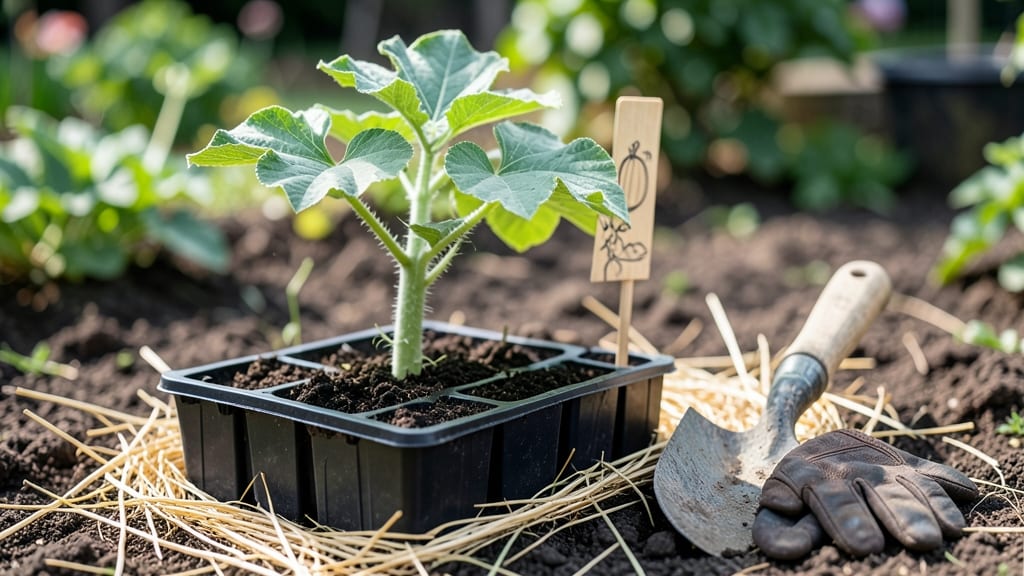
Timing your cantaloupe planting in Zone 8b isn't just about throwing seeds in the ground—it's the difference between a bountiful harvest and a wasted season. Most gardeners in your area make three critical mistakes that kill their yields, and they don't even realize it until it's too late.
With Zone 8b's unpredictable frost dates and heat spikes, knowing when to plant your 🍈 is everything. You need to wait until soil temperatures hit 70°F and nighttime temps stay above 55°F, or your plants will struggle.
I'll show you exactly when to start seeds indoors versus direct sowing for maximum success.
Let’s cut through the confusion. Whether you're a first-time gardener or a seasoned pro, these insights will help you avoid common pitfalls like planting too early, ignoring frost risks, or missing the sweet spot for vine growth. By the end, you'll know the perfect window for your cantaloupe to thrive.
Ready to transform your garden this spring? Let’s dive into the exact dates, soil prep secrets, and pro tips that will give you juicy, ripe cantaloupes from June through August—without the guesswork.

Optimal planting times for cantaloupe in Zone 8b (with exact dates)
Cantaloupes thrive in Zone 8b’s warm climate, but timing is everything. Plant too early, and cold snaps will kill delicate seedlings. Too late, and you’ll miss the sweet spot for a summer harvest.
The ideal window for cantaloupe in Zone 8b is late February to early April, once soil temperatures consistently reach 70°F (21°C) and nighttime temps stay above 55°F (13°C).
In Zone 8b, the average last frost date is around February 15, but cantaloupes are heat-loving annuals that won’t tolerate chilly soil. Waiting until after the last frost ensures your plants won’t suffer from cold damage or poor germination.
For a second harvest, you can also plant a late-summer variety in June, but this requires careful planning to avoid heat stress before maturity.
Most gardeners in Zone 8b choose between direct sowing and transplanting seedlings. Direct sowing is popular because cantaloupe seedlings are sensitive to root disturbance, but it requires precise timing.
If you opt for transplants, start seeds 4-6 weeks before your last frost date (around January 15) indoors under grow lights to give them a head start.
Here’s the key: Soil temperature matters more than air temperature. Use a soil thermometer to confirm your garden beds are warm enough. If your soil is still cool in early spring, consider using black plastic mulch to warm it up faster.
This simple trick can shave weeks off your planting timeline and give your cantaloupes a stronger start.
For gardeners in Zone 8b, late March to early April is the sweet spot for direct sowing. This aligns with when soil temperatures naturally rise and the risk of frost diminishes.
If you’re eager to get a jumpstart, transplanting hardened-off seedlings in late February can give you an earlier harvest, but only if your soil is warm enough.
Pro tip: Monitor your local microclimate. Urban areas or low-lying spots may stay cooler longer, while south-facing beds warm up faster. Adjust your planting dates accordingly. For example, if your garden is in a cooler microclimate, push planting back to early April to avoid cold stress.
Once planted, cantaloupes need 6-8 hours of full sun daily and consistent moisture. In Zone 8b’s heat, mulching with straw or black plastic can help retain soil moisture and speed up vine growth.
Avoid overwatering, though—wet foliage increases the risk of powdery mildew, a common issue in humid climates.
With the right timing, you’ll see vines spreading rapidly and fruit setting in 4-6 weeks. Harvest begins around July, just in time for summer’s peak heat. If you miss the spring window, don’t despair—a late-June planting of fast varieties like ‘Sugar Baby’ can still yield fruit before fall.
Remember, cantaloupes are short-season plants that need warm soil to thrive. Rushing the process by planting too early is a common mistake that leads to stunted growth or no harvest at all.
Patience pays off with sweet, ripe cantaloupes that slip easily from the vine—the ultimate reward for timing it right. 🍈
Optimal planting times for cantaloupe in Zone 8b (with exact dates)
In Zone 8b, cantaloupe thrives when planted after the last frost date—typically mid-March to early April. However, timing isn’t just about frost; soil temperature matters most.
Cantaloupes need warm soil (70°F+) and air temperatures above 55°F at night to germinate properly. Planting too early risks stunted growth or even death from cold snaps.
For direct sowing, wait until late March or early April when daytime temps consistently stay above 65°F (18°C). If you prefer transplants, start seeds indoors 4-6 weeks before your last frost date (around mid-February) and move them outside after soil warms.
This two-step method gives you a head start on the growing season.
| Planting Method | Ideal Planting Window | Soil Temp Requirement | Key Consideration |
|---|---|---|---|
| Direct Sowing | Late March–Early April | 70°F+ (21°C+) | Avoid cold soil; use black plastic mulch to warm it faster. |
| Transplants (Indoor Start) | Mid-February–Early March (indoors) | 65°F+ (18°C+) for outdoor transplant | Hardens off seedlings before moving outside. |
| Late-Season Extension | Late June–Early July | 70°F+ (21°C+) | Use row covers for early frost protection. |
If you’re eager for an earlier harvest, consider using black plastic mulch or row covers to warm the soil faster. These tricks can push your planting window back by 1-2 weeks without risking cold damage. Just be sure to remove covers once flowers appear to prevent overheating.
For a second harvest, try planting a heat-tolerant variety like 'Hale’s Best' in late June. This method works well in Zone 8b’s long growing season, giving you ripe cantaloupes as late as September or October before the first frost hits. Just monitor weather forecasts closely!
Pro tip: Use a soil thermometer to confirm warmth before planting. Cold soil delays germination by weeks, and cantaloupes won’t tolerate waiting. Aim for consistent 70°F+ soil temps for the best start.
Remember, cantaloupes need 6-8 hours of full sun daily, so choose the sunniest spot in your garden. Poor light leads to bitter fruit and fewer vines. With the right timing and care, you’ll enjoy sweet, juicy cantaloupes all summer long! 🍈