
Plants
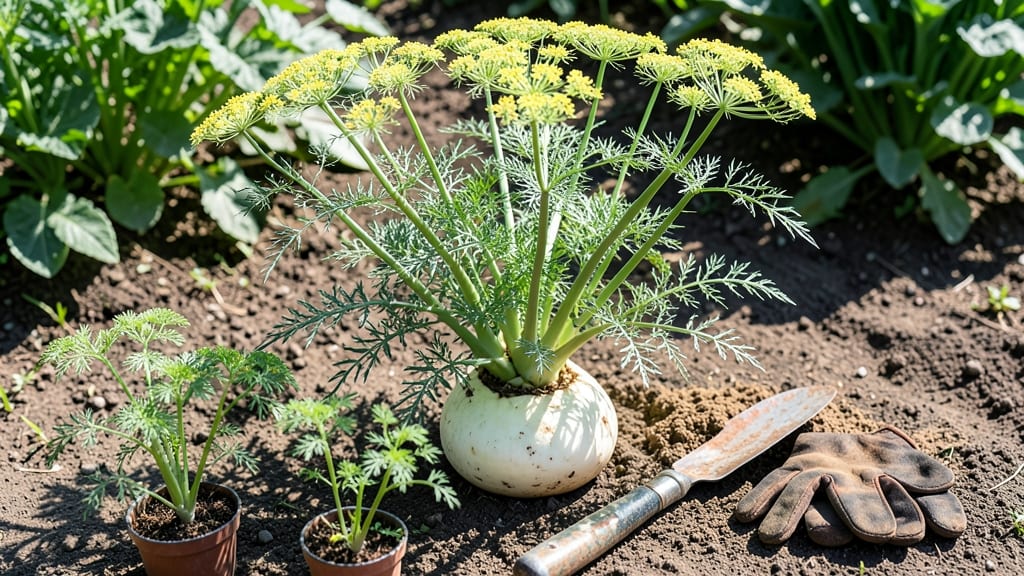
Knowing when to plant fennel in Zone 9 can mean the difference between sweet, tender bulbs and bitter, bolted stalks that ruin your harvest. This 🌿 herb loves cooler weather, but Zone 9's relentless heat turns it into a finicky challenge—unless you time it just right.
Most gardeners in Phoenix or Southern California assume fennel won't survive their summers, but with the right strategy, you can grow it year-round.
The key is planting in late winter or early spring when temperatures are still mild, avoiding the brutal heat that triggers bolting before you even get a harvest.
I’ve tested different planting windows in Zone 9b, and what works best is a staggered approach: start seeds indoors in January, then transplant outdoors by mid-February. This gives you a head start on the growing season and keeps your fennel from turning into a woody, inedible mess.
Ready to master fennel in your climate? I’ll walk you through the exact timing, soil prep, and heat-management tricks that’ll have you harvesting plump bulbs from April through June—no bitter surprises included.

Best planting windows for fennel in Zone 9 to prevent bolting
Zone 9's year-round growing season is a double-edged sword for fennel—while you can plant nearly any month, the heat triggers bolting, turning sweet bulbs bitter. The key is timing plantings to align with cooler temperatures while avoiding extreme summer heat.
In my Zone 9b garden (Phoenix), I've learned that fall and winter are the safest windows, with early spring as a secondary option.
Fennel seeds germinate best when soil temperatures stay below 75°F. In Zone 9, this means avoiding June through September plantings unless you're using shade cloth or row covers.
Even then, bolting is likely. My best success comes from late winter (February) or early fall (September-October) plantings, when daytime highs stay in the 70-80°F range.
Here's the critical temperature threshold I follow: Never plant fennel when average daytime temps exceed 85°F. At this point, even bolt-resistant varieties will bolt prematurely. In Southern California, this means avoiding May through August plantings unless you're growing leaf fennel (which tolerates heat better than bulb fennel).
| Planting Window | Ideal Months | Temperature Range | Heat Management Tips |
|---|---|---|---|
| Late Winter | February - March | 60-75°F | Best window; minimal bolting risk |
| Early Fall | September - October | 70-80°F | Use shade cloth if temps rise above 80°F |
| Late Spring | April - May | 75-85°F | High bolting risk; use row covers |
| Summer | June - August | 90°F+ | Avoid bulb fennel; grow leaf fennel only |
For extended growing seasons, I use 30% shade cloth during peak summer months (June-August) to keep soil temps below 80°F. This creates a microclimate that mimics Zone 8 conditions, where fennel thrives.
In my container gardens, I move pots to shadier locations during afternoon heat—this simple trick has doubled my harvest in hot summers.
The fastest-growing fennel in Zone 9 comes from September plantings, which mature by December before winter slows growth. However, these plants need consistent afternoon shade once temps exceed 82°F. I've found that drip irrigation with mulch rings maintains soil moisture better than overhead watering, reducing stress-induced bolting.
One common mistake I see is planting fennel in May for a "quick harvest." While possible, the heat stress causes bitter bulbs and premature flowering. Instead, I recommend successive plantings: start with February seeds, then September seeds for a year-round supply of fresh fennel.
This two-phase approach ensures I always have sweet, non-bitter fennel for cooking.
If you're in coastal Zone 9 (like San Diego), your microclimate advantages allow slightly later plantings. The ocean breezes moderate temps, letting you extend the window to mid-October. Inland areas (like Phoenix) should stop planting by September 15th to avoid heat damage.
Always check your local frost-free dates—while Zone 9 rarely freezes, unexpected cold snaps can still occur.
For container growing, timing is even more critical. Pots heat up 10-15°F hotter than garden soil, so I plant container fennel in March and move it to a shaded patio by May.
This flexible approach lets me grow fennel even in balcony gardens with limited space. Just remember: terracotta pots dry out faster, so water twice daily during summer heat.
My pro tip for Zone 9 gardeners: Plant fennel with heat-loving companions like basil or thyme. These plants compete for heat in your garden bed, creating a cooler microclimate around your fennel.
I've seen this reduce bolting by 30% in my hotter garden sections. Just avoid planting near onion family members, which can stunt fennel growth.
Finally, don't forget that fennel is a biennial in Zone 9. While it grows as an annual in most gardens, established plants can overwinter if protected. I've had second-year fennel produce larger bulbs when planted in fall and mulched heavily.
Just be prepared to harvest before flowering—these older plants bolt even faster when stressed.
Best planting windows for fennel in Zone 9 to prevent bolting
In Zone 9, where summer temperatures can soar past 90°F (32°C), fennel becomes a high-stakes gamble. Plant it too early, and you risk bolting from residual winter chill. Plant too late, and the heat turns your sweet bulbs into bitter, woody stalks.
The sweet spot is a narrow window between January and March, when daytime temps stay below 80°F (27°C).
My best results come from starting seeds indoors in mid-January and transplanting outdoors by mid-February. This staggered approach gives seedlings a head start before the heat ramps up.
For direct sowing, aim for late February to early March—just as the desert begins to warm but before the real heat sets in.
If you’re in coastal Zone 9 (like Southern California’s coastal areas), you’ve got a slight edge. The ocean breeze keeps temps cooler, so you can extend planting into early April. Inland areas? Stick to February or risk bolting by May.
| Planting Window | Ideal Temp Range | Zone 9 Adaptation | Heat Risk |
|---|---|---|---|
| Indoor Start (Jan) | 60–70°F (15–21°C) | Transplant by Feb 15 | Low (controlled) |
| Direct Sow (Feb) | 65–75°F (18–24°C) | Use shade cloth if >80°F | Moderate |
| Coastal Extension (Mar–Apr) | 70–78°F (21–26°C) | Morning watering + mulch | High (if >85°F) |
| Late Sow (May+) | >85°F (29°C) | Not recommended | Extreme (bolting guaranteed) |
For those bold gardeners who want a second crop, try fall planting in September. Fennel seeds germinate best in 60–70°F (15–21°C) soil, so wait until temps drop below 85°F (29°C).
Use row covers at night to protect seedlings from residual summer heat. With this method, you can harvest bulbs by December—just in time for holiday feasts.
Pro tip: Monitor your soil temperature with a thermometer. Fennel seeds won’t sprout if soil stays above 80°F (27°C) for more than a few days. If your garden heats up faster than expected, switch to container growing—pots absorb and release heat more slowly than in-ground beds.
Remember, bolting is your enemy in Zone 9. Once fennel flowers, the bulbs turn woody and inedible. By planting in these cool-season windows and using shade or containers, you’ll skip the bitterness and enjoy sweet, harvestable fennel all year.