Plants
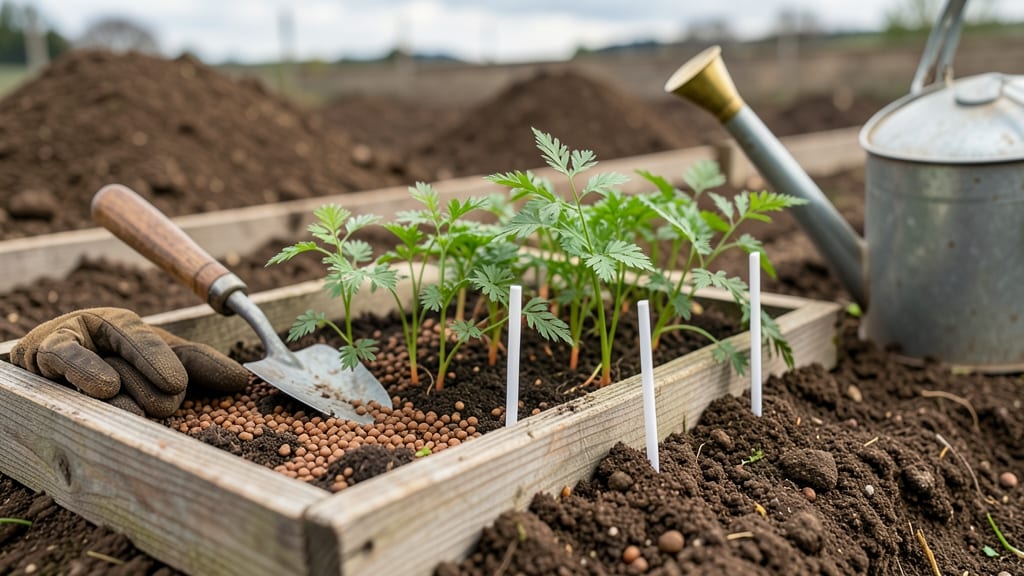
If you’ve ever struggled with bitter, woody, or stunted carrots in San Diego, the key to growing sweet, crisp 🥕 roots lies in when to plant carrots in San Diego at the perfect time—when soil temps are just right and seasonal shifts won’t sabotage your harvest.
Unlike other regions, San Diego’s Mediterranean climate lets you plant carrots year-round, but timing still matters. Fall and winter are your best bets, with ideal windows stretching from October through March—when cooler temps and consistent moisture work in your favor.
Miss this window, and you risk forking roots or slow germination.
In this guide, I’ll break down the exact frost-free deadlines for San Diego’s microclimates (coastal vs. inland), the ideal soil temperatures for germination, and how to extend your growing season for continuous harvests from January to June.
Whether you’re a first-time gardener or a seasoned green thumb, these tips will help you avoid common pitfalls and grow carrots that rival the ones at the farmers’ market—without the price tag.
San Diego carrot planting calendar: frost-free deadlines by season
San Diego’s Mediterranean climate means you can grow carrots almost year-round, but timing still matters to avoid bitter roots or poor germination. Unlike colder regions, frost isn’t a concern, but coastal vs. inland microclimates create distinct planting windows.
Let’s break down the best months for each zone to maximize your harvest.
For coastal areas (USDA 10a), like La Jolla or Del Mar, cooler temperatures extend the growing season slightly longer than inland valleys. Meanwhile, inland regions (USDA 9b-10a), such as Escondido or Temecula, experience hotter summers and milder winters, requiring adjusted planting strategies.
I’ll cover both to ensure your carrots thrive no matter where you’re growing.
Here’s the key: Fall and winter are the prime seasons for planting carrots in San Diego, with two main planting windows—early fall (September-October) and late winter (February-March). Summer planting is possible but risky due to heat stress, so I’ll explain how to mitigate that too.
| Season | Coastal Planting Window | Inland Planting Window | Soil Temp (°F) | Harvest Time |
|---|---|---|---|---|
| Early Fall | September 15 - October 15 | September 1 - October 10 | 65-75°F | November - January |
| Late Fall | October 16 - November 30 | October 11 - November 25 | 55-65°F | December - March |
| Winter | February 1 - March 15 | January 20 - March 10 | 50-60°F | April - June |
| Summer (Risky) | June 1 - July 15 (with shade) | May 15 - June 30 (with shade) | 70-80°F (max) | August - September |
Notice how coastal areas have slightly later fall planting windows because they stay cooler longer. For inland gardens, summer planting is riskier due to heat, but you can still try with shade cloth and extra water. I recommend sticking to fall and winter for the best results.
If you’re in a coastal microclimate, like Cardiff or Pacific Beach, you can push planting into early December, but avoid late winter (after March 15) when soil temperatures drop too low. Inland growers should plant by November 25 to avoid heat stress in summer.
For succession planting, sow seeds every 2-3 weeks during the ideal windows to ensure a continuous harvest. This works especially well for Danvers varieties, which tolerate cooler temperatures better than Nantes types. I’ll cover variety specifics in the next section!
Pro tip: Use a soil thermometer to confirm temperatures before planting. Carrots need 55-85°F soil to germinate properly, and coastal soils can run 10°F cooler than inland areas at the same time of year. Adjust your schedule accordingly.
One common mistake is planting too early in inland valleys during summer, which leads to bolting (premature flowering). To prevent this, always check soil moisture and use mulch to keep roots cool. I’ve had great success with straw mulch in summer plantings!
Finally, remember that San Diego’s lack of frost means you can experiment with year-round growing if you’re willing to adjust for heat or cool spells. Just monitor your plants closely and be ready to provide shade or extra water as needed.
With the right timing, you’ll enjoy homegrown carrots from fall through spring!
Optimal soil temperature ranges for carrot germination in San Diego’s climate
Carrots thrive when soil temperatures stay within a 55-85°F range, but San Diego’s coastal and inland areas create unique challenges. Coastal regions like La Jolla often hover around 60-70°F year-round, while inland valleys like Escondido can spike to 80-90°F in summer.
Without proper temperature control, seeds may rot or fail to germinate entirely.
Use a soil thermometer to test temperatures before planting—aim for 60°F minimum for germination. If your soil runs cooler, try black plastic mulch or row covers to warm it up. For hot inland areas, provide afternoon shade to prevent seeds from drying out before sprouting.
🌱
Soil Temp Ratings for Carrot Germination
For coastal San Diego, plant in fall or early spring when soil temps stabilize above 60°F. Inland gardeners can extend seasons by using shade cloth during summer months to keep soil temps below 85°F.
Always water seeds gently but consistently—overwatering can leach heat from the soil and slow germination.
If your soil feels too cold, try planting in raised beds filled with compost-rich soil, which warms faster than native soil.
For hot inland areas, consider succession planting every 2-3 weeks in late summer to take advantage of cooling ocean breezes that naturally lower soil temps near coastal edges.
💧
Remember, carrots are sensitive to temperature fluctuations during germination. If your soil thermometer shows below 55°F, wait 1-2 weeks or use a seedling heat mat (set to 70°F) until sprouts appear. Once seedlings emerge, they’re more resilient, but maintaining consistent moisture remains critical for straight, sweet roots.