
Plants
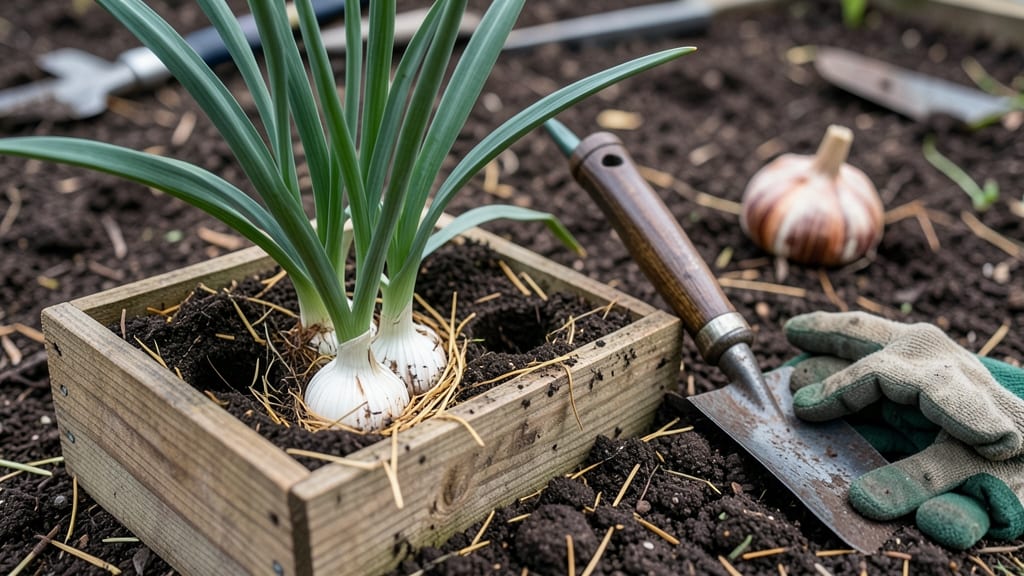
If you're growing garlic in Zone 8b, when to plant garlic in zone 8b is the key to avoiding bitter surprises later. Planting too early can trigger premature sprouting, while waiting too long risks weak bulb development before summer heat sets in.
The perfect window—October through November—balances cool soil temps with enough time for roots to establish before winter.
Why does this matter? Unlike cooler climates where spring planting works, Zone 8b's mild winters demand a fall approach. Garlic 🧄 thrives when planted 4-6 weeks before the ground freezes, giving it time to root deeply before dormancy.
Miss this window, and you might end up with small, pungent cloves instead of the plump, flavorful bulbs you crave.
Here's what you'll discover: how to adjust for your specific microclimate, which garlic varieties perform best in Zone 8b, and how to spot the ideal planting conditions.
We'll also cover how to protect your crop from unexpected warm spells that can send garlic bolting early—something every gardener here needs to watch for.
With the right timing, you're not just planting garlic—you're setting up a game-changer for next summer's harvest. Let's dive into the exact steps to make this season your most successful yet.

Best months to plant garlic in Zone 8b for maximum yield
In Zone 8b, where winters are mild but still cool enough to trigger garlic dormancy, timing your garlic planting between October and November gives your bulbs the ideal 10-12 week cold period they need to develop properly.
This window ensures your cloves get enough chilling before the ground warms again in spring, preventing premature bolting or small, weak bulbs.
Garlic thrives when planted 4-6 weeks before the first hard frost—typically around mid-October in most of Zone 8b. For example, if your first frost hits around December 15, aim to plant by November 1.
This timing lets the soil cool naturally while still allowing roots to establish before winter sets in.
For hardneck varieties, which are popular for their flavorful cloves and scapes, this window is critical.
They need cold stratification to form bulbs, and Zone 8b’s mild winters can sometimes skip this step if planted too late. Softneck varieties, like Silverskin, are more flexible but still benefit from early fall planting for larger yields.
If you miss the fall window, you can try a winter planting in December, but yields may be smaller.
The key is ensuring the soil stays below 40°F (4°C) for at least 60 days—a challenge in warmer microclimates within Zone 8b. Use mulch to help regulate soil temperatures if needed.
| Planting Window | Soil Temp Threshold | Cold Period Needed | Best Varieties |
|---|---|---|---|
| October (Ideal) | 50-60°F (10-15°C) | 10-12 weeks below 40°F | German White, Rocambole, Artichoke |
| November (Acceptable) | 40-50°F (4-10°C) | 8-10 weeks below 40°F | Silverskin, Creole |
| December (Risky) | Below 40°F (4°C) | 6-8 weeks below 40°F | Softneck (smaller yields) |
One common mistake in Zone 8b is planting garlic too early in September. While the soil may still be warm, early planting can lead to sprouting before cold sets in, weakening the cloves.
Instead, wait until soil temperatures drop below 60°F (15°C)—usually by late September—to avoid this issue.
To extend your planting window, consider using row covers or mulch to lower soil temperatures artificially. A thick layer of straw or leaves can help simulate winter conditions, especially in microclimates that stay warmer.
This is particularly useful if you’re growing hardneck varieties, which are more sensitive to warm winters.
For gardeners in Zone 8b’s coastal areas, where winters are even milder, planting in late November might still work, but expect smaller bulbs. Inland areas with colder winters can push planting into early October safely. Always check your local frost dates and adjust accordingly.
Pro tip: Plant a test row in late September to monitor soil temperatures. If your garlic sprouts before winter, it’s a sign you planted too early. Adjust your timing for next year based on these observations.
Finally, remember that garlic planted in fall will harvest in late spring to early summer (June-July in Zone 8b), while winter planting may yield slightly later. Plan your garden layout to accommodate this timeline, especially if you’re growing garlic alongside spring crops like lettuce or peas.
How to adjust planting time for early vs. late harvest garlic
Zone 8b’s mild winters create unique challenges for garlic growers. Unlike colder zones, bolting risks increase if planted too early, while late planting may result in small, weak bulbs. The key is balancing cold exposure with seasonal timing to control harvest windows.
For early harvests, plant garlic in late November to December. This shorter growing season produces smaller bulbs but lets you harvest by late May or early June, perfect for fresh kitchen use. The trade-off? Less storage life since bulbs won’t fully mature.
For late harvests, aim for October planting. This gives garlic 6-8 months of growth before summer heat, resulting in larger, longer-storing bulbs ready by July. However, Zone 8b’s warm winters demand mulching to prevent premature sprouting.
| Planting Window | Cold Exposure | Harvest Time | Bulb Size |
|---|---|---|---|
| Late November-December | Minimal (2-3 months) | Late May-Early June | Small-Medium |
| October | Moderate (5-6 months) | July | Large |
To prevent bolting in warm Zone 8b winters, choose late-maturing varieties like 'German White' or 'Silverskin'. These tolerate warmer soil temperatures better than hardneck types. For extra protection, use straw mulch (4-6 inches) to insulate bulbs and maintain 40-50°F soil temps.
If you miss the October window, don’t panic! Plant garlic in early December for a spring harvest, though bulbs will be smaller. The critical factor is ensuring 60-80 days of cool weather before summer heat arrives—this triggers bulb formation.
For gardeners in microclimates (like coastal areas), adjust planting 2-3 weeks later than inland zones. Monitor soil temps with a thermometer—plant when temps drop to 60°F consistently at night. This precision ensures your garlic gets the cold vernalization it needs without bolting.