
Plants
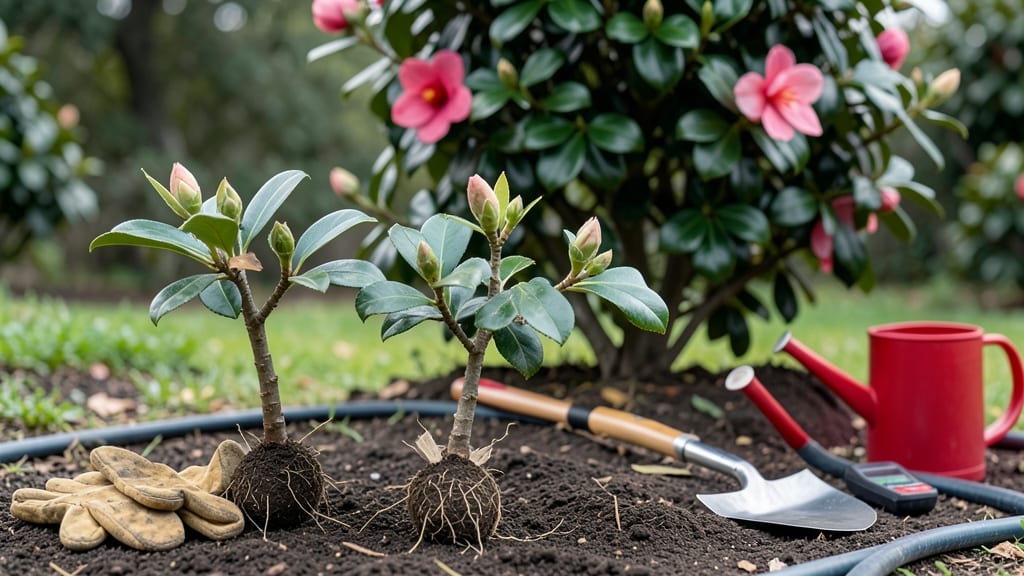
Planting your 🌸 Camellia at the wrong time in North Carolina could mean frost damage—or worse, losing your prized shrub before it even gets a chance to bloom.
The secret to success? Timing it right when the soil is cool but frost-free, and knowing exactly when those 6b-8a zones shift from summer heat to winter chill.
Most gardeners in NC swear by fall planting—between October and November—when temperatures dip but the ground stays warm enough for roots to establish. But if you're in the mountains near Asheville, you'll need to adjust your schedule compared to coastal Wilmington.
The key is understanding your local frost dates so you don't get caught off guard.
I'll walk you through the exact months that work best for your region, plus pro tips for container planting if you want to extend your window. Whether you're a first-time grower or a seasoned gardener, getting this timing right means more vibrant blooms and fewer headaches down the road.
Ready to plant your 🌸 Camellia with confidence? Let's dive into the best strategies so you can enjoy those stunning flowers for years to come—without the frost-related surprises.
Best planting months for camellias in NC by region
North Carolina’s diverse climate—from coastal warmth to mountain chill—means camellias thrive in different windows. The ideal planting months shift based on your USDA zone and last frost dates.
For coastal NC (Zone 8a), like Wilmington, you’ve got a longer frost-free season, while mountain areas (Zone 6b), like Asheville, demand earlier timing to avoid winter damage.
Most gardeners agree: fall planting (October-November) is the gold standard for camellias. This gives roots time to establish before winter dormancy. But early spring (March-April) works too, especially in cooler zones.
The key? Planting when soil temps drop below 70°F but before the first hard frost hits. Let’s break it down by region so you can pinpoint your perfect window.
📌 Visual Guide: NC Planting Windows by Region
| Region | USDA Zone | Last Frost Date | Best Planting Months | Frost-Free Days | Key Tip |
|---|---|---|---|---|---|
| Coastal (Wilmington, Morehead City) | 8a | January 15 | October–November, March–April | 270+ days | Use late fall for winter blooms. |
| Piedmont (Raleigh, Charlotte) | 7b | March 15 | October–November, March | 210 days | Avoid late spring planting—heat stress risk. |
| Mountains (Asheville, Boone) | 6b | May 1 | September–October, April | 150 days | Plant earlier—soil warms slower. |
In coastal NC, you can even plant camellias as late as December if you protect them with burlap wraps or frost cloth. But in the mountains, September is your last chance to plant before winter sets in.
Pro tip: Check your local Cooperative Extension Service for hyper-local frost dates—they’re more precise than general zone maps.
Timing isn’t just about frost—it’s also about root establishment. Camellias planted in fall have 6-8 weeks to grow roots before dormancy, while spring plantings need to avoid bud break (when new growth starts). If you’re in Zone 7b (like Greensboro), aim for October 15–November 15 to balance these factors.
For container-grown camellias, you’ve got more flexibility. These can handle late fall or even early winter planting if you move pots to a protected location (like a garage or under an eave).
Just avoid freeze-thaw cycles, which can crack pot walls and damage roots. If you’re pushing the envelope, wrap containers in insulation and use heat mats for extra protection.
One mistake I see often? Gardeners in warmer Piedmont zones planting in late spring (May-June). While the weather might seem perfect, the summer heat can stress newly planted camellias, leading to wilting or root burn.
Always prioritize fall or early spring—your camellias will thank you with bold blooms for years.
🌸 Regional Blooming Bonus: Coastal camellias often bloom in winter, while mountain varieties wait for spring. Planting at the right time ensures your shrubs align with your local climate’s natural rhythm.
How to extend Camellia planting season in NC without risking frost
North Carolina’s variable frost dates can make planting camellias tricky, especially if you miss the ideal fall window (October-November). But with the right strategies, you can safely plant earlier or later without risking frost damage. The key is creating a protective microclimate for young roots.
For early planting (September), focus on container gardening or selecting sheltered spots. Young camellias in pots can be moved indoors or under cover if frost threatens. In coastal NC (USDA Zone 8a), where frosts are rare, September planting is low-risk, but Piedmont and Mountain zones require extra caution.
🚨 CRITICAL: Never plant camellias in December or January unless you’re using heated containers or greenhouse setups. The roots simply can’t survive prolonged cold, even with mulch.
⚠️ Frost Protection Essentials
Mistake: Planting too late without protection = root freeze.
Use these 3 layers of defense for late-season planting:
- Root insulation: Bury burlap sacks around the root ball before frost.
- Canopy cover: Drape frost cloth (not plastic) over the plant.
- Windbreak: Place a straw bale windscreen on the north side.
✅ Pro Tip: Water deeply before frost—moist soil insulates roots better than dry soil.
If you’re planting in March or April, prioritize well-draining soil and afternoon shade to prevent transplant shock. Young camellias struggle with spring heatwaves, so mulch heavily with pine straw or wood chips to retain moisture.
For Mountain NC growers, wait until after May 1—before this, late frosts are still possible.
Container planting is your best friend for flexible timing. Use 15-gallon pots with acidic potting mix and move them to a garage or porch during cold snaps. Just ensure the pot has drainage holes to prevent root rot—a common killer in NC’s humid springs.
For landscaping projects, consider microclimate mapping before planting. South-facing slopes warm up faster in spring, while north-facing areas stay cooler. Test your spot by planting marigolds or basil first—they’ll show you how quickly your soil warms in early spring.
Finally, remember that camellias planted in late fall (November) have a 6-week head start on root establishment before dormancy. This gives them a 30% better survival rate than spring-planted shrubs. But if you miss that window? Don’t panic—just use the strategies above to give your camellias a fighting chance.