
Plants
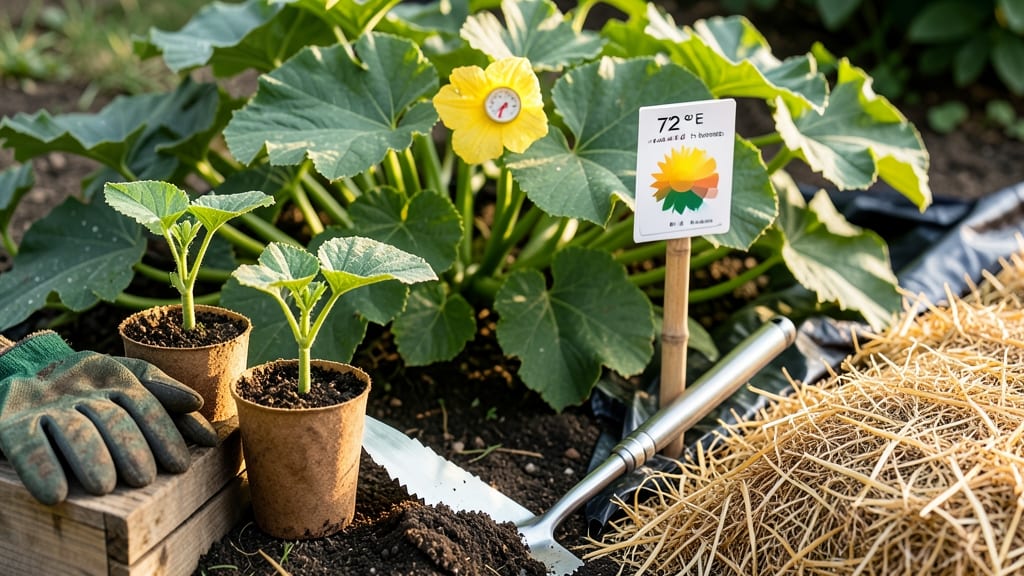
Timing your Butternut Squash 🎃 planting in North Carolina is the difference between a bumper crop and a frost-killed disappointment. With frost dates shifting from the Piedmont to the coast, knowing the exact windows for planting—whether from seed or transplant—means the difference between thriving vines and wasted effort.
Most gardeners in NC’s 6a-8b zones wait until late May or early June to plant, but your local microclimate could shift that by weeks.
I’ll break down the frost-free averages, soil temperature thresholds, and how to adjust for early starts or late summers to lock in a harvest before the first frost hits in October.
Beyond dates, I’ll cover the 3 key mistakes that sabotage NC squash gardens—from poor soil prep to misjudging transplant timing—and how to avoid them.
Whether you’re a first-timer or a seasoned grower, these insights will help you plan for a garden that delivers sweet, plump Butternut Squash 🎃 from October through December.
Ready to ditch the guesswork? Let’s dive into the science-backed planting schedule that works for your specific corner of North Carolina—so you can enjoy homegrown squash without the frost-related stress.
NC frost zones & butternut squash planting dates by region
North Carolina’s diverse climate—from the mountains of Zone 6a to the coastal plains of Zone 8a—means your butternut squash planting window varies dramatically. In Zone 6a (Asheville), you’ll need to wait until mid-May to avoid frost, while Zone 8a (Wilmington) can start as early as late March.
The key? Planting after your average last frost date (typically April 15 in Piedmont and March 15 in Coastal NC).
Butternut squash thrives in warm soil (60°F+) and long summer days, so timing is everything. Direct sowing seeds too early risks frost damage, while planting too late cuts harvest time.
For zero-frost survival, aim for transplanting 2-3 weeks after your last frost or use black plastic mulch to warm the soil faster. My go-to method? Start seeds indoors 4-6 weeks before transplanting to extend the season.
Here’s the critical comparison of planting windows across NC’s USDA Zones 6a-8a, including direct sow vs. starts and heat zone adjustments to maximize your harvest.
| Region/Zone | Last Frost Avg | Direct Sow Window | Transplant Window | Heat Zone Tip |
|---|---|---|---|---|
| Zone 6a (Mountains: Asheville) | April 25 | May 15–June 1 | May 1–May 15 (starts) | Use row covers for early starts |
| Zone 7a (Piedmont: Raleigh) | April 15 | April 30–May 15 | April 15–April 30 (starts) | Black plastic mulch warms soil faster |
| Zone 7b (Coastal Plains: Fayetteville) | March 25 | March 30–April 15 | March 15–March 30 (starts) | Longer growing season; can plant twice |
| Zone 8a (Coastal: Wilmington) | March 15 | March 1–March 15 | February 28–March 15 (starts) | Extend season with late fall harvests |
For Zone 6a gardeners, I recommend starting seeds indoors in late March to transplant by May 1. In Zone 8a, you can direct sow as early as March 1—but watch for unexpected cold snaps (they happen!).
Pro tip: Check your local CoCoRaHS station for real-time frost alerts to adjust timing. Even a single 28°F night can kill young squash plants.
Butternut squash needs 90-110 days to mature, so late plantings in Zone 6a (after June 1) risk small harvests. In Zone 8a, you can squeeze in a second planting by July 15 for a fall harvest.
Just reduce irrigation 2 weeks before frost to harden off the vines.
Soil temperature is non-negotiable. Use a soil thermometer—butternut squash won’t germinate below 60°F. In cooler zones (6a), black plastic mulch can add 5-10°F to soil warmth.
For organic gardeners, straw mulch works but warms soil 2-3°F slower. My favorite trick? Plant near a south-facing fence to trap heat.
Frost risk isn’t the only threat—powdery mildew thrives in NC’s humid summers. To prevent it, space plants 3-4 feet apart for airflow and water at the base (never overhead). In Zone 7b+, I rotate crops annually to break disease cycles. And always save seeds from your healthiest squash for next year’s frost-proof starts!
🎃
Butternut squash growth timeline: from seed to harvest in NC
Understanding your butternut squash’s growth stages is key to timing harvests in North Carolina’s 180-220 frost-free days. From seed to harvest, these vines need 90 days of warm weather to produce sweet, nutty fruits.
Coastal NC gardens enjoy 20-30 extra days of growing season compared to mountain regions, so adjust your timeline accordingly.
Start by planting seeds 1 inch deep in well-warmed soil (at least 60°F) after your last frost date, typically mid-April to early May in most of NC.
If you’re using transplants, wait until soil temps stabilize above 70°F—usually late May to early June—to avoid transplant shock.
Here’s your step-by-step timeline for a successful harvest, tailored to NC’s climate:
Sprouts appear in 7-10 days if soil stays 60-70°F. Thin seedlings to 2 feet apart once true leaves form.
Vines spread 1-2 feet per week. Use black plastic mulch in Piedmont NC to warm soil faster.
Yellow flowers appear. Hand-pollinate if bees are scarce—tap stems gently to release pollen.
Squash grows 1-2 inches per week. Reduce watering slightly to 1 inch per week to prevent rot.
Pick when rind is hard and tan. In Coastal NC, harvest by late October; in Mountains, aim for early October.
To extend your harvest window in NC’s shorter seasons, use row covers or black plastic mulch to add 2-3 weeks of warmth. In Coastal NC, you might even squeeze in a second planting in early July for a late-fall harvest.
Just remember: butternut squash hates cold, so avoid planting after mid-August unless you’re using season extenders.
Pro tip: Mark your calendar for October 15—this is NC’s average first frost date. If your squash isn’t ready by then, use straw mulch to insulate plants and delay frost damage by 1-2 weeks.
With the right timing, you’ll enjoy homegrown butternut squash straight from your NC garden until winter! 🎃