
Plants
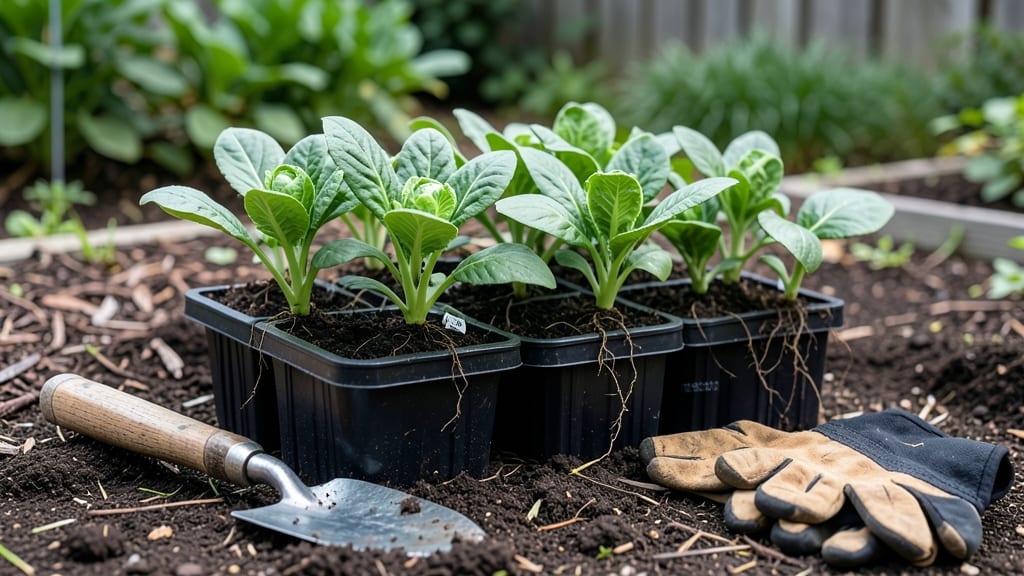
Knowing when to plant Brussel sprouts in Kansas can mean the difference between a thriving garden and a sad, wilted disappointment. These 🥦 little powerhouses love Kansas' climate—but they're picky about timing, and getting it wrong could leave you with bolted plants or frost damage.
Most gardeners in zones 5b-7a swear by two planting windows: spring (mid-April to early June) and fall (late July to early August). The key? Planting 4-6 weeks before the first frost ensures your sprouts mature before winter sets in.
But here's the catch: Northern Kansas has earlier frosts than the southern part, so your exact timing might need tweaking.
I've grown these for years in Kansas, and I'll show you exactly how to time your planting for zero-frost survival. We'll cover soil prep, frost protection tips, and even how to adjust for those unpredictable Kansas weather swings. Let's get those sprouts growing right!
Ready to harvest October through December? The secret starts in the soil—and the calendar. Let's dive into the exact months that work best for your Kansas garden.
Kansas frost dates and ideal planting windows for Brussel sprouts
Kansas’ USDA zones 5b-7a create a unique challenge for growing Brussel sprouts—they need cool weather but can’t survive hard frosts. The last spring frost typically arrives around April 15 (earlier in southern Kansas, later in the north), while the first fall frost hits around October 15.
These dates define your 90-day growing window for a successful harvest.
For spring planting, aim for mid-April to early June—this gives your plants enough time to mature before Kansas’ summer heat stresses them. However, planting too early (before April 15) risks bolting (premature flowering) due to warm soil temperatures.
Fall planting is trickier but rewarding: late July to early August ensures sprouts mature before frost, delivering harvests from October to December.
Regional differences matter! In southern Kansas (zone 7a), you can push spring planting to early May and fall planting to mid-August. Meanwhile, northern Kansas (zone 5b) gardeners should start spring seeds indoors by March 15 and transplant outdoors after April 20 to avoid frost damage.
Always check your local Almanac frost dates for precision.
Microclimates—like urban heat islands or wind-protected valleys—can shift these windows by 1-2 weeks. If your garden sits in a warmer microclimate, plant 2 weeks earlier in spring or 1 week later in fall. Conversely, cold pockets may require delaying spring planting by 10 days.
Brussel Sprouts Planting Timeline for Kansas
| Zone | Last Frost | First Frost | Spring Planting | Fall Planting | Harvest Window |
|---|---|---|---|---|---|
| 5b (North) | April 10 | October 10 | April 20–May 15 | July 20–August 5 | October–December |
| 6a (Central) | April 15 | October 15 | April 25–May 20 | July 25–August 10 | October–December |
| 7a (South) | April 20 | October 20 | May 1–June 1 | August 1–15 | November–January |
Note: Adjust for microclimates—plant 1-2 weeks earlier in urban heat zones or delay by 10 days in cold pockets.
Kansas’ fall harvests are where Brussel sprouts truly shine. By planting in late July or August, you’ll enjoy sweeter, more flavorful sprouts after frost sweetens them. However, avoid planting after August 15—your plants won’t mature before winter.
For a year-round supply, stagger two fall plantings: one in late July and another in early August.
If you’re new to growing Brussel sprouts, start with transplants instead of seeds for reliability. Seedlings from local nurseries are already 3-4 weeks ahead and can be planted 2 weeks after your last frost date.
This gives them a head start against Kansas’ unpredictable spring weather, including late frosts that can kill young plants.
For direct sowing, plant seeds ¼ inch deep and 1 inch apart—they’ll need thinning to 18 inches apart as they grow. Use row covers if planting in late April or early May to protect from late frosts.
In fall, mulch heavily with straw or leaves to insulate roots from early frosts.
Pro tip: Use companion plants like bush beans or lettuce to maximize space and deter pests. These plants thrive in similar conditions but won’t compete with your sprouts for nutrients. Just avoid planting near tomatoes or peppers, which can stunt growth.
Remember, Brussel sprouts love cool weather—they’ll bolt (flower prematurely) if soil temps exceed 75°F. In Kansas’ hot summers, provide afternoon shade or use drip irrigation to keep soil cool. This is especially critical for spring plantings that stretch into June.
🥦
Kansas frost dates and ideal planting windows for Brussel sprouts
Kansas' USDA zones 5b-7a create a perfect window for growing Brussel sprouts, but timing is critical. The average last frost in most of Kansas falls around April 15, while the first frost typically arrives by October 15. These dates bookend your planting opportunities for a successful harvest.
For spring planting, aim to sow seeds 4-6 weeks before your last frost—usually between mid-April and early June. This gives your plants enough time to mature before summer heat sets in.
In northern Kansas (zone 5b), start slightly earlier (around April 10) since frosts linger longer.
Fall planting is equally important. Seedlings planted late July to early August will thrive through Kansas' mild fall and produce harvest-ready sprouts by October. Southern Kansas (zone 7a) can extend this window slightly later, up to mid-August, thanks to later first frosts.
Here’s how Kansas’ regional microclimates affect your planting schedule:
| Zone | Last Frost | First Frost | Spring Planting | Fall Planting |
|---|---|---|---|---|
| 5b (Northern KS) | April 10 | October 10 | Mid-April to May 15 | Late July to early August |
| 6a (Central KS) | April 15 | October 15 | April 15 to June 1 | Late July to mid-August |
| 7a (Southern KS) | April 20 | October 20 | April 20 to early June | Late July to August 15 |
Adjust your planting by 1-2 weeks if your garden sits in a microclimate—like a sheltered south-facing slope—that warms up faster. Use a frost calendar from your local Kansas State University Extension office for precise dates in your area.
Protect young seedlings from late-spring frosts (common in May) with row covers or cloches. This extra layer of defense ensures your plants grow strong enough to handle Kansas’ unpredictable weather swings without setbacks.
With these exact planting windows, you’ll harvest firm, flavorful sprouts from October through December, just as Kansas’ first hard frost arrives. Timing isn’t just about the calendar—it’s about giving your plants the perfect head start to thrive in your unique corner of the state.