
Plants
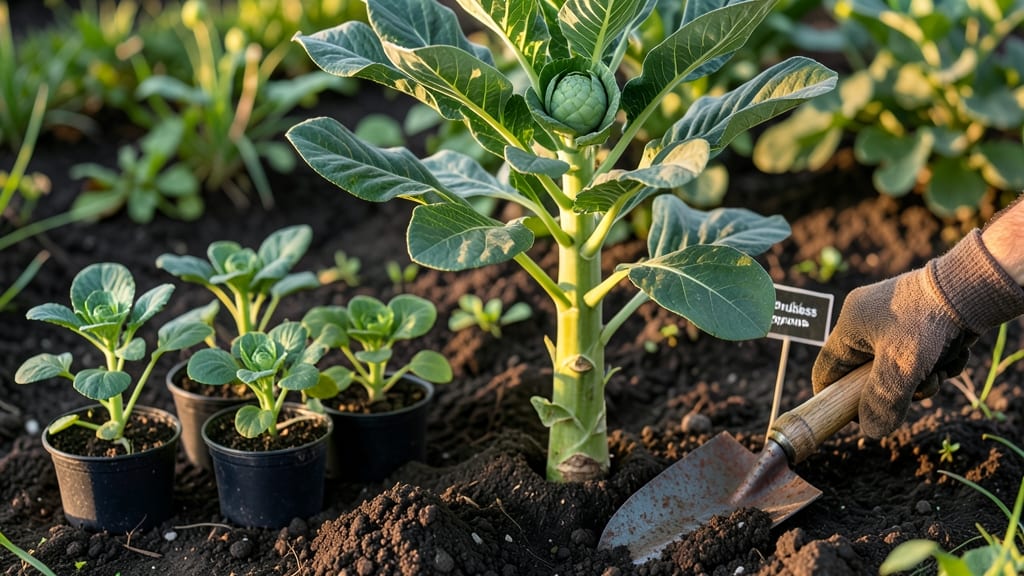
Planting Brussel sprouts 🥬 in Illinois can make or break your harvest—get the timing wrong, and you’ll end up with bitter, stunted vegetables instead of the sweet, flavorful ones you crave. Since Illinois’ USDA zones 5-6 bring unpredictable frost dates, knowing exactly when to plant is the key to success.
Most gardeners in Illinois focus on two ideal planting windows: mid-April to early June for spring and late July to early August for fall. But with frost creeping in as early as mid-October, missing that narrow window by even a week can mean wasted effort.
The good news? With the right strategy, you can extend your growing season and enjoy fresh sprouts straight through winter.
In this guide, I’ll break down the exact frost-date ranges by county heat zones, so you never guess again. You’ll also discover how to adjust for Illinois’ unpredictable weather—whether it’s late frosts, early heatwaves, or soil that takes forever to warm up.
Let’s get your Brussel sprouts 🥬 growing like a pro.
Ready to avoid the most common mistakes and maximize your harvest? Let’s dive into the frost-date map and planting tips tailored just for Illinois gardeners.
Illinois frost-date map: best planting windows by county heat zones
Timing your Brussel sprouts planting in Illinois depends entirely on your USDA hardiness zone (typically 5a-6b) and frost dates. Northern Illinois (zones 5a-5b) has a shorter growing season, while southern Illinois (zones 6a-6b) enjoys a few extra weeks.
The key is planting 4-6 weeks before the first frost for a fall harvest or mid-April to early June for spring planting.
Mississippi River counties like Rock Island (zone 6a) can plant 1-2 weeks earlier than northern Chicago suburbs (zone 5b). Always check your last frost date—typically mid-April in the north and early April in the south—and count backward to determine your planting window.
Brussel sprouts need 80-120 days to mature, so aim for a harvest before hard frosts (usually mid-October). Fall planting in late July to early August ensures a late-season harvest, while spring planting in mid-April gives you summer sprouts—though they’ll taste sweeter after a frost.
For visual clarity, here’s a county-by-zone breakdown of planting windows and frost dates:
| Zone | County Examples | Last Frost (Avg.) | First Frost (Avg.) | Spring Planting Window | Fall Planting Window |
|---|---|---|---|---|---|
| 5a | Cook, Lake, Winnebago | May 1 | October 15 | Late April | Late July |
| 5b | DuPage, Kane, McHenry | April 15 | October 1 | Mid-April | Early August |
| 6a | Champaign, Rock Island, St. Clair | April 1 | October 10 | Early April | Late July |
| 6b | Alexander, Johnson, Massac | March 20 | October 20 | Late March | Early August |
For direct sowing, start seeds indoors 6-8 weeks before your last frost date. Transplants can go in 2 weeks after the last frost, but harden them off first to avoid shock. Northern Illinois gardeners should prioritize early-maturing varieties (like ‘Long Island Improved’) to beat the frost.
Soil temperature matters too: Brussel sprouts won’t germinate well in cold soil (below 45°F). Use a soil thermometer to confirm it’s 50°F or warmer before planting. In zone 5a, wait until mid-May for spring planting if early soil is too chilly.
Pro tip: Succession plant every 2 weeks in spring for a staggered harvest. This works especially well in zone 6b, where you can squeeze in two fall harvests if you plant in late June and early August.
Always monitor your local frost forecast—Illinois’ weather can shift suddenly. If a late frost is predicted, use row covers to protect young plants. The goal is cool nights (50-60°F) and warm days (70-75°F) for sweet, flavorful sprouts.
🌱
How to adjust planting for Illinois’ unpredictable weather patterns
Illinois’ weather can be as unpredictable as a Chicago windstorm, throwing off even the most careful gardener. Late frosts in May or early heatwaves in June can turn your perfect planting schedule into a disaster.
The key? Flexibility and smart adjustments to protect your Brussel sprouts from Mother Nature’s whims.
Start by monitoring your local frost dates—not just the averages. In northern Illinois (zones 5a-5b), a late frost can linger into mid-May, while southern Illinois (zones 6a-6b) might escape frost by early April.
Use a frost calendar from your local Cooperative Extension office or apps like Old Farmer’s Almanac for real-time updates.
Here’s my go-to trick for unpredictable weather: staggered planting. Instead of sowing all your seeds at once, plant two batches—one in mid-April and another in late May. This way, if the first batch gets hit by frost, the second has a better chance of thriving.
For fall planting, repeat the process in late July and early August.
Late frosts can kill young sprouts. If frost is forecasted, cover seedlings with frost cloth or a lightweight row cover for protection. Remove covers during the day to prevent overheating.
Don’t forget about soil temperature. Brussel sprouts need soil that’s at least 45°F to germinate. Use a soil thermometer to check—if it’s colder, wait a few days or use black plastic mulch to warm the soil faster.
In hot summers, shade cloth can save your plants from bolting (premature flowering) when temperatures rise above 80°F.
For a second fall harvest, try succession planting in early July. Choose fast-maturing varieties like ‘Long Island Improved’ (ready in 85 days) to ensure you get a crop before the first frost.
Plant in partial shade to avoid heat stress, and mulch heavily to keep roots cool and moist.
Finally, keep an eye on the weather forecast and adjust your watering schedule. Drought stress makes plants more vulnerable to pests and disease, so water deeply once a week during dry spells. In Illinois’ humid summers, water in the early morning to prevent fungal diseases like downy mildew.