
Plants
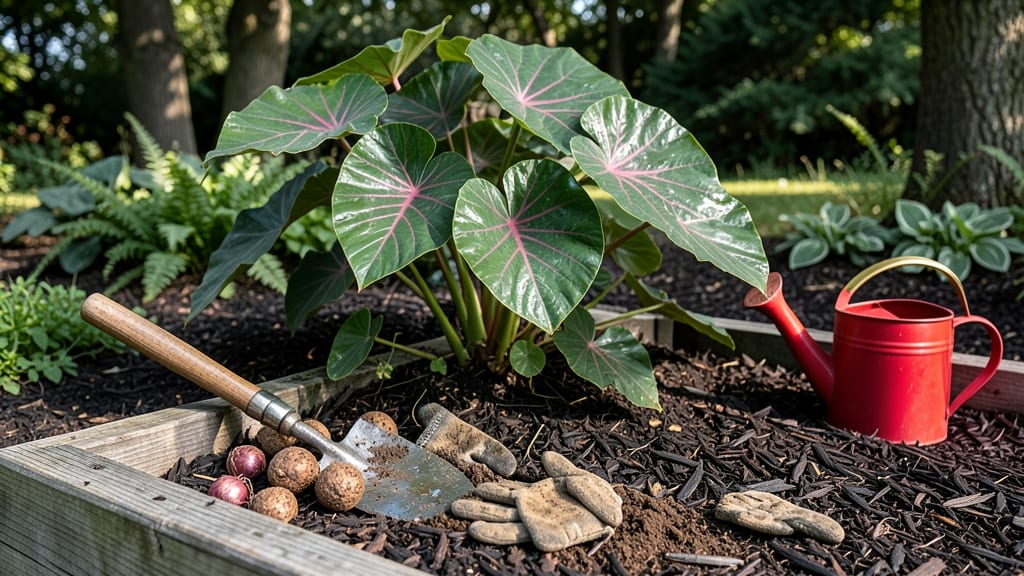
If you're dreaming of stunning foliage in your Florida garden, planting caladium bulbs at the right time is the secret to unlocking their full potential.
These vibrant, heart-shaped leaves thrive when soil temperatures hit that sweet spot—typically between March and April—when frost risk has vanished and humidity begins its annual rise.
Here's the thing: Florida's subtropical climate means your exact planting window can vary from North to South. In USDA zones 9a-11, where last frost dates range from late January to never, timing becomes more about soil warmth than calendar dates.
We're talking 60°F+ soil temperatures—your cue that conditions are perfect for those bulbs to wake up and grow.
What happens if you plant too early? You might end up with leggy, weak plants struggling against cooler temperatures. Too late, and you miss the prime window for establishing strong roots before summer's intense heat arrives.
The good news? With a few simple checks—like watching for nearby plants to leaf out or testing soil moisture—you can nail the perfect moment every time.
I'll walk you through exactly how to read your Florida climate's signals, from soil thermometer tricks to regional microclimate differences. By the end, you'll know precisely when to plant your 🌿 caladiums for show-stopping foliage that lasts all season long.
Optimal Florida planting windows for caladium bulbs by soil temperature
Florida’s subtropical climate creates three distinct planting zones for caladium bulbs, each with unique soil temperature triggers and frost-free timelines. Unlike northern states, Florida gardeners don’t need to wait for spring—just soil warmth and humidity balance.
In North Florida (Zones 8a-9a), like Jacksonville or Gainesville, aim for mid-March when soil hits 65°F+ consistently. Central Florida (Zones 9a-9b), including Orlando and Tampa, can plant as early as late February, while South Florida (Zones 10a-11) enjoys year-round planting with no frost risk.
Your soil temperature is the #1 predictor of success. Caladium bulbs won’t sprout below 60°F, and overheating above 85°F can stress them. Use a soil thermometer (insert 2-3 inches deep) to confirm readiness.
In North Florida, wait until after Easter—this aligns with average last frost dates (January 31 in Jacksonville). Meanwhile, South Florida gardeners can plant anytime after December, but spring (March-April) yields the most vibrant foliage due to balanced humidity.
🌱 Key Takeaway: Florida’s microclimates mean your neighbor’s perfect timing might fail for you. Check your local frost-free date (via Florida Climate Center) and pair it with soil temp data for foolproof results.
| Region | USDA Zone | Ideal Planting Window | Soil Temp Trigger | Frost Risk |
|---|---|---|---|---|
| North Florida | 8a-9a | Mid-March to early April | 65°F+ (consistently) | Low (Jan 31 avg last frost) |
| Central Florida | 9a-9b | Late February to March | 60°F+ (minimum) | Very Low (Dec 15 avg first frost) |
| South Florida | 10a-11 | December to April | 55°F+ (year-round) | None |
🌡️ Pro Tip: Use a soil thermometer for 3 consecutive days to confirm stability.
For container gardening, adjust your timeline by 2-3 weeks earlier—potted soil warms faster. Fill containers with well-draining mix (50% peat moss, 30% perlite, 20% compost) to prevent root rot in Florida’s humid summers.
If you’re in North Florida and plant too early, bulbs may rot before sprouting due to cool, wet soil. Conversely, delaying past April risks heat stress as temperatures climb above 85°F.
Florida’s humidity also plays a role. In South Florida, where relative humidity often exceeds 80%, plant bulbs shallower (1-2 inches deep) to encourage faster sprouting.
In drier Central Florida, bury them 2-3 inches deep to retain moisture. Mulch immediately after planting with pine straw or shredded leaves to lock in soil warmth and reduce evaporation.
Watch for local rainfall patterns too. If your area gets heavy rains in March (common in North Florida), delay planting until April to avoid waterlogged soil. In South Florida, where dry seasons occur in winter, plant in December to capitalize on consistent moisture.
Always amend sandy soil (common in Central Florida) with 2 inches of compost to improve water retention.
Timing isn’t just about when—it’s about where. In urban heat islands (like Miami or Orlando), asphalt and concrete can raise soil temps by 5-10°F, so plant 1-2 weeks earlier than rural areas. For shade gardens under palm trees,
Optimal Florida planting windows for caladium bulbs by soil temperature
Caladium bulbs thrive in Florida’s warm climate, but timing is critical to avoid root rot or stunted growth. Unlike northern climates, Florida’s frost-free zones (9a-11) mean you can plant earlier—but only when soil temperatures consistently hit 65°F+.
In North Florida, this typically aligns with mid-March, while South Florida gardeners can start as early as late February.
Soil temperature is your best indicator, not just the calendar. A simple soil thermometer ($10 at garden centers) reveals when roots can safely sprout. For example, in Central Florida’s Orlando area, aim for early April when daytime highs stabilize above 70°F.
Humidity also plays a role—caladiums love Florida’s moisture, but soggy soil from recent rains can delay planting by 1-2 weeks.
| Region | Ideal Planting Window | Soil Temp Threshold | Key Cue |
|---|---|---|---|
| North Florida (Panhandle) | Mid-April | 65°F+ (consistent) | Azalea blooms signal safe planting |
| Central Florida (Orlando/Tampa) | Early April | 68°F+ (daytime) | Palm fronds unfurl |
| South Florida (Miami/Ft. Lauderdale) | Late February | 70°F+ (consistent) | Mango trees leaf out |
Pro tip: Plant caladium bulbs 3-4 inches deep in well-draining soil mixed with compost. In Florida’s sandy soils, add peat moss or coconut coir to retain moisture without suffocating roots.
If you’re in a microclimate with afternoon shade (like under oak trees), you can plant 2 weeks earlier—these bulbs thrive in partial shade and will reward you with bold foliage by late May.
Miss the ideal window? Don’t panic. Caladiums are perennial in Florida’s frost-free zones, so you can plant as late as mid-May for summer blooms. However, late plantings may produce smaller leaves and require more frequent watering to compensate for the heat.
For container gardening, use well-draining pots and place them in dappled shade to mimic Florida’s natural light conditions.
Watch for leaf emergence within 4-6 weeks. If planted too early and exposed to unpredictable cold snaps (rare but possible in North Florida), protect bulbs with a lightweight row cover until nighttime temps stay above 55°F. This simple precaution ensures your caladiums burst into color without stress.
Remember: Florida’s humidity is a double-edged sword. While it helps germination, stagnant water can cause bulb rot. Always plant in areas with good drainage or raised beds to prevent waterlogging. With the right timing, your caladiums will become the star of your shade garden by summer!