
Plants
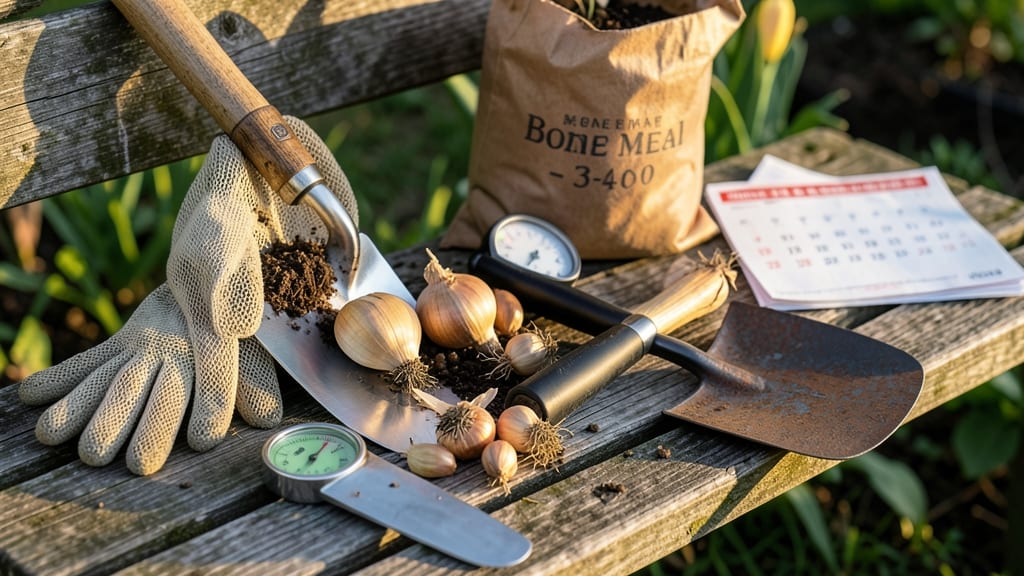
Timing when to plant bulbs in central Texas isn’t just about the calendar—it's about outsmarting the heat before the first frost arrives. Plant too early, and your 🌷 tulips or daffodils might fry under 100°F summers; too late, and they won’t root before winter’s mild chill.
The secret? A 6-week window between September and November when soil cools just enough to protect those delicate bulbs.
Here’s the kicker: Central Texas’ USDA Zone 8a-8b means frost is a fleeting visitor, but heat lingers. That’s why gardeners here swear by planting in October—cool enough for roots to establish, but warm enough to avoid soggy soil.
Miss this window, and you might end up with half-hearted blooms or worse, bulbs that never make it to spring.
What you’re about to discover isn’t just a planting schedule—it’s a survival guide for bulbs in a climate where drought and heat play hardball. We’ll cover the exact months to dig, how deep to tuck those bulbs, and which varieties actually thrive here (spoiler: not all tulips are created equal).
Ready to turn your yard into a springtime explosion of color without the guesswork?
Let’s get to the heat-zone secrets that’ll have your garden blooming like a postcard—no matter how brutal Texas decides to be. From soil prep tricks to frost-proofing tips, you’ll walk away with a plan that works for Central Texas’ brutal summers and mild winters.
No more waiting until it’s too late—just vibrant, reliable blooms year after year.
Central Texas heat-zone planting calendar: exact months for tulips, daffodils & more
Central Texas’ USDA Zone 8a/8b climate means bulbs must be planted with precision—too early, and they’ll bake in summer heat; too late, and frost may damage them.
The key is planting 6-8 weeks before the first frost (typically September through November), when soil temps stay below 80°F and rainfall increases. This timing ensures bulbs establish roots before winter dormancy.
Most spring-blooming bulbs (like tulips and daffodils) need cool soil to root, but Central Texas’ mild winters mean we can push planting slightly later than northern states.
For example, crocus and allium can handle cooler soils and may even thrive with December planting, while hyacinths prefer the earlier September-October window.
Here’s your heat-zone planting timeline for Central Texas, adapted for our unique climate where frost-free winters and 100°F summers collide:
| Bulb Type | Ideal Planting Month | Soil Temp Goal | Bloom Time | Central TX Tip |
|---|---|---|---|---|
| Tulips (Spring) | September-October | 60-70°F | March-April | Choose Darwin Hybrid varieties for heat tolerance. |
| Daffodils (Spring) | October-November | 55-65°F | February-March | Plant deeper (8-10") to escape summer heat. |
| Hyacinths (Spring) | September-October | 60-68°F | March-April | Use containers for mobility—move to shade in summer. |
| Crocus (Fall/Winter) | November-December | 50-60°F | January-February | Perfect for winter color; tolerates cooler soils. |
| Allium (Spring) | October-November | 55-65°F | March-April | Drought-tolerant; ideal for xeric gardens. |
Pro tip: Use a soil thermometer to check temps before planting—aim for 60-70°F for most bulbs. If your soil is still above 80°F in September, wait a few weeks or plant in shaded beds to avoid heat stress.
For containers, pre-chill bulbs in the fridge for 6-8 weeks to mimic winter dormancy.
Central Texas gardeners often overlook fall-planted bulbs like rain lilies (Zephyranthes), which thrive in our climate. These heat-loving bulbs can be planted as late as December and bloom in spring without needing winter chill. Pair them with spring-planted bulbs for year-round color.
Missed the fall window? Don’t panic! Some bulbs, like Mexican rain lilies, can be planted in early spring (February-March) for summer blooms. Just water deeply after planting and mulch to retain moisture during our 100°F+ summers. The trade-off? Fewer blooms than fall-planted varieties, but still stunning.
Remember: Bulb depth matters in Central Texas. Plant spring-blooming bulbs 6-8 inches deep to protect them from summer heat, while fall-planted varieties (like crocus) can go 3-4 inches deep. Use a bulb planter or your finger to dig holes—aim for 3x the bulb’s height for optimal growth.
Finally, mark your calendar for February 15, the average first frost date in Central Texas. This is your last chance to plant hardy bulbs like daffodils
How to outsmart Central Texas heat: 5 pro tips for bulb survival
Central Texas summers are no joke—100°F+ temperatures can turn your bulb garden into a crispy wasteland if you’re not careful. The key? Beat the heat with smart strategies that protect bulbs before they even sprout.
I’ve planted bulbs here for years, and these 5 pro tips will keep yours thriving despite the brutal climate.
First, choose heat-resistant varieties like ‘Darwin Hybrid’ tulips or Mexican rain lilies, which naturally tolerate Texas’ sweltering summers. These bulbs store energy better, so they bounce back from heat stress. Skip traditional tulips—they’ll bolt in the heat.
Plant deeper than usual—aim for 8–10 inches deep instead of the standard 6 inches. Extra soil acts as insulation, shielding bulbs from surface-level heat. Use a trowel to loosen soil first, then plant bulbs pointy-end up for best results.
- Mulch like a pro
Spread 3–4 inches of mulch (straw or shredded bark) over planted bulbs after planting. This locks in moisture and blocks heat waves from penetrating the soil.
- Water deeply but infrequently
Give bulbs 1–2 inches of water every 10–14 days in spring, then zero water in summer. Overwatering in heat = rot. Use a soaker hose to avoid wetting foliage.
- Provide afternoon shade
Install lightweight shade cloth (30–50%) over bulbs during peak heat (12–4 PM). Alternatively, plant bulbs under deciduous trees—they’ll drop leaves in winter, letting sunlight through for spring blooms.
- Avoid summer planting
Never plant bulbs in June–September. The heat forces them to sprout immediately, then fry. Stick to September–November for fall planting or January–February for spring varieties.
- Let foliage die naturally
After blooming, never cut leaves until they turn brown. Foliage feeds the bulb for next year’s flowers. In Texas’ heat, this means 6–8 weeks of yellowing leaves—patience pays off!
Bonus: Test your soil before planting—Central Texas often has alkaline soil (pH 7.5+), which stresses bulbs. Add sulfur or peat moss to lower pH to 6.0–7.0 for optimal bulb health. A simple $10 soil test kit from your local nursery saves headaches later.
With these tricks, your bulbs will survive (and thrive!) in Central Texas’ punishing climate. Next spring, you’ll be the envy of the neighborhood with bold, heat-proof blooms while others scratch their heads wondering why their tulips died. 🌷