
Plants
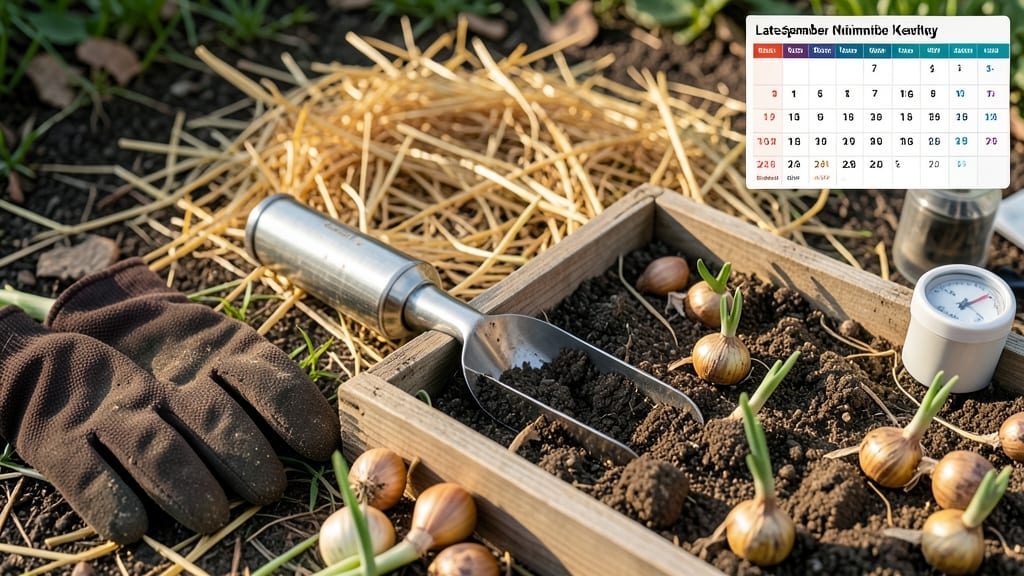
Timing your bulbs (general) 🌷 planting in Kentucky could mean the difference between a showstopping spring garden and a disappointing one. The secret lies in understanding the 6-week window before the ground freezes—typically between mid-October and early November—when soil temperatures drop just enough to trigger root growth without inviting rot.
If you’ve ever wondered why some gardens burst with color while others struggle, it’s often about those critical few weeks. Kentucky’s USDA Zone 6a climate demands precision, and getting it wrong can lead to weak stems or no blooms at all.
Let’s break down the exact steps to plant your bulbs at the perfect moment for vibrant, healthy flowers.
You don’t need a green thumb to succeed—just the right timing and a few simple tricks. From tulips to daffodils, we’ll cover the ideal planting schedule, soil prep, and even how to adjust for Kentucky’s unpredictable weather. Ready to transform your garden next spring? Let’s get started.
The best part? Once you master this, you’ll be the one neighbors ask for advice—and your yard will be the envy of the block. No more guessing, just confident planting that guarantees results. Let’s make sure your bulbs (general) 🌷 thrive from the very first frost.
Kentucky’s ideal fall bulb planting timeline by Zone and variety
Kentucky’s USDA Zones 6-7 mean your bulb planting window is short but sweet—typically 6-8 weeks before the ground freezes, usually mid-October to early November. This timeline ensures bulbs establish roots before winter dormancy, guaranteeing those showstopping spring blooms you’re dreaming of.
Miss it, and you risk weak growth or no flowers at all.
Most classic bulbs—like tulips, daffodils, crocuses, and hyacinths—need to be in the ground by October 15 in most of Kentucky. But don’t panic if your soil stays warm later!
Adjust based on your last average frost date (typically October 15 in Zone 6a and October 20 in Zone 7a).
Pro Tip: Check soil temps—bulbs should go in when the ground is below 60°F but hasn’t yet frozen. Use a soil thermometer or wait until daytime highs consistently dip below 70°F. In Kentucky, this usually aligns with late September to early October.
| Bulb Type | Ideal Planting Month | Soil Temp Threshold | Depth (inches) | Notes |
|---|---|---|---|---|
| Tulips | October (Zone 6a) / Early November (Zone 7a) | Below 60°F | 6-8 | Plant early for best blooms; avoid soggy soil. |
| Daffodils | October-November | Below 55°F | 6-8 | Deer-resistant; great for borders. |
| Crocuses | September-October | Above 50°F | 3-4 | Early bloomers; naturalize easily. |
| Hyacinths | October-November | Below 60°F | 6-8 | Fragrant; plant in clusters for impact. |
| Alliums | October-November | Below 60°F | 6-8 | Drought-tolerant; great for cut flowers. |
If you’re in northern Kentucky (Zone 6a), aim for early October planting—soil cools faster there. In southern Kentucky (Zone 7a), you might squeeze in late October or even early November, but don’t wait too long. Bulbs need 4-6 weeks of root growth before the ground freezes.
For spring-planted bulbs like caladiums or cannas, Kentucky’s window opens in March-April, after the last frost. These tropical beauties thrive in well-draining containers or warm microclimates, like near south-facing walls. But they’re a whole different story—stick to fall for classic bulbs!
One last tip: Adjust for microclimates. A sunny, south-facing slope will stay warmer longer than a shady, low-lying area. If your yard has hot spots, plant bulbs there first—they’ll establish roots faster. Use a soil thermometer to confirm readiness, especially if your fall is unusually warm or cold.
Now that you’ve got the timeline down, let’s talk about what happens if you plant too early or too late—and how to salvage your bulbs. Don’t miss the next section! 🌷
Signs you’re planting too early or late (and how to fix it)
Planting bulbs at the wrong time in Kentucky can turn your spring dreams into fall disappointments. The key is understanding soil temperature cues—not just calendar dates. If you plant too early, bulbs may rot before winter dormancy, while late plantings often fail to root before freezing.
Let’s decode the warning signs and rescue strategies.
One red flag: soft, mushy bulbs when you dig them up after planting. This signals overly warm soil (above 60°F) during early fall plantings. In Kentucky’s USDA Zone 6-7, aim for 50-60°F soil temps—use a soil thermometer to check before planting.
If your bulbs feel squishy, they’ve already started growing and need immediate replanting deeper or temporary shade.
On the flip side, late plantings (after November 15) often show stunted shoots or no blooms next spring. Bulbs need 4-6 weeks of root growth before winter.
If you missed the window, try the "overwintering trick": Plant bulbs in containers with drainage and store them in a garage or unheated shed until spring. Move pots outdoors in March for a delayed but successful bloom.
Another clue: voles or squirrels digging up planted bulbs after planting. These pests target exposed bulbs in late fall. Protect your investment with wire mesh cages (1/4-inch hardware cloth) or deep planting (8+ inches).
In Kentucky’s clay-heavy soils, dig a trench, lay mesh, then plant bulbs on top before covering with soil.
For spring-planted bulbs (like caladiums), watch for yellowing leaves if planted too early (before last frost). These tropical bulbs won’t tolerate frost—wait until after April 15 in most of Kentucky. If you accidentally plant them early, move pots indoors until nighttime temps stay above 50°F.
Pro tip: Mark your calendar for October 15—this is Kentucky’s last safe planting date for most bulbs. Use a garden flag or chalk marker to track soil temps and planting progress. Even a 1-2 week delay can mean the difference between vibrant blooms and brown stems next spring.