
Plants
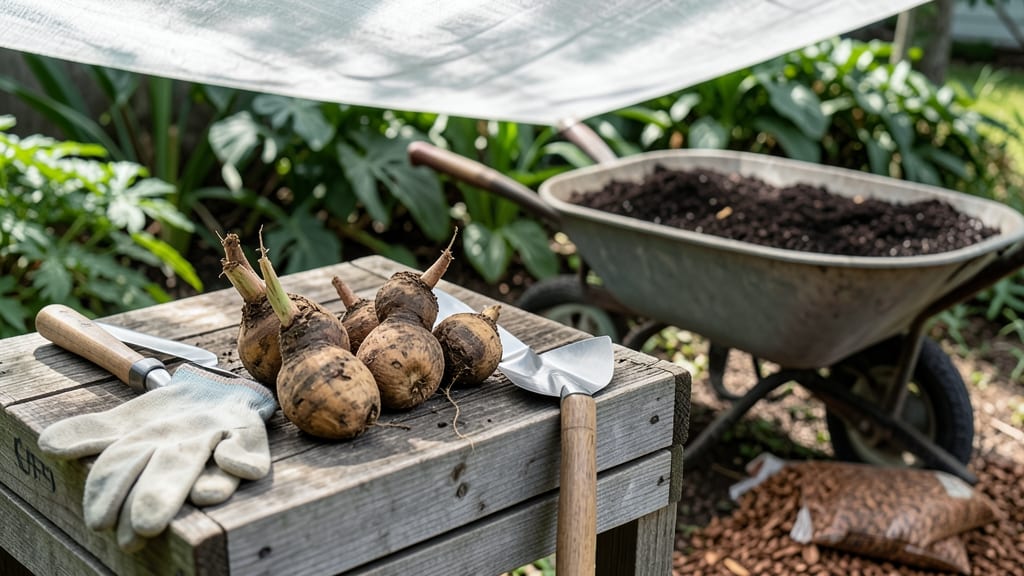
If you've ever dreamed of adding stunning tropical foliage to your Houston garden but hesitated because of the heat, planting caladium bulbs 🌿 at the right time could be your game-changer.
These vibrant plants thrive in Houston's 9a climate, but getting the timing wrong means wilting leaves before they even bloom.
The key to success? Planting caladium bulbs after your last frost date—typically between March and April—when soil temperatures hit at least 65°F. This ensures they establish strong roots before Houston's summer heat kicks in, giving you those eye-catching leaves all season long.
I've seen firsthand how a few weeks' difference can make or break your caladiums. Too early, and they'll struggle with cold snaps; too late, and they'll bolt in the heat. Let me walk you through the exact windows, soil prep, and care tips tailored for Houston's unique conditions.
Whether you're a seasoned gardener or just starting, these insights will help you avoid common pitfalls and enjoy lush, healthy caladiums that stand out in your landscape. Ready to transform your garden with bold foliage? Let's get started.
Houston’s ideal caladium planting calendar: month-by-month heat-zone guide
Houston’s USDA Zone 9a climate means caladium bulbs thrive with precise timing—too early and they’ll rot, too late and they’ll struggle in summer heat. The optimal window is late February through April, when soil warms to 65°F+ and morning frost risk disappears.
This tropical plant hates cold, so patience is key.
I’ve planted caladiums for years in Houston, and the sweet spot is March 15-April 15, when humidity rises but afternoon temps stay below 85°F. This gives roots time to establish before scorching summer arrives. Let’s break down the month-by-month strategy to maximize those showstopping leaves.
| Month | Soil Temp | Planting Window | Care Focus |
|---|---|---|---|
| February | 55-60°F | Late month (after 2/20) | Pre-warm soil with black plastic |
| March | 65-75°F | Ideal (15th-31st) | Plant 2" deep, mulch heavily |
| April | 70-80°F | Early (1st-15th) | Water deeply, avoid overhead spray |
| May | 80°F+ | Emergency only | Provide afternoon shade cloth |
For Houston gardeners, the March 15 mark is critical—this is when average nighttime temps consistently stay above 55°F, protecting delicate tubers. I always test soil with a thermometer (cheap ones work) to confirm 65°F+ before planting.
Pro tip: Soak bulbs overnight before planting to kickstart growth in our dry early spring air.
If you’re container gardening, shift your timeline 2 weeks earlier—pots warm faster. Place containers near south-facing walls to capture reflected heat while protecting from direct afternoon sun. My terracotta pots stay 10°F warmer than in-ground beds, so I plant mine by March 1.
Houston’s unpredictable humidity can backfire if you plant too early. Fungal diseases like rhizoctonia thrive in cool, damp conditions. That’s why I never plant before March—even if the calendar says spring. Wait for 3 consecutive days above 60°F before committing.
Afternoon shade requirements become critical by late April. If your yard gets hotter than 90°F after 1 PM, move caladiums to dappled shade or use 30% shade cloth. I’ve seen ‘White Queen’ varieties scorch in just 2 hours of direct afternoon sun—don’t make that mistake.
For extended summer color, plant a second batch in early June using heat-tolerant varieties like ‘Carolyn Wharton’. These hold up better to 95°F+ temps if given morning sun only. Just double the mulch (4" thick) to retain moisture during Houston’s drought-like summers.
Remember: Caladiums are not perennials in Houston. Dig up tubers before first frost (usually mid-November) and store them in pearlite or dry coconut coir at 60-65°F.
I label each variety with a toothpick tag so I don’t accidentally replant ‘Black Stem’ next to ‘White Queen’—trust me, the color contrast is night-and-day.
Your foliage goals will shine if you stick to March-April planting. The earlier you plant, the longer your display—some varieties like ‘Flamingo Pink’ can keep color until December if protected from frost. Now go dig those tubers—your garden’s about to get a whole lot prettier! 🌿
5 Critical factors that determine your caladium planting success in Houston
Houston’s humidity and intense heat create unique challenges for caladium bulbs, but understanding these 5 key factors will help you avoid common pitfalls. Let’s break down what truly matters for thriving foliage in your garden.
First, soil moisture retention is critical—caladiums hate soggy roots but need consistent dampness. Houston’s clay-heavy soils can trap moisture, so amend with organic compost to improve drainage while retaining humidity.
Afternoon shade is non-negotiable in Houston’s Zone 9a climate. Direct afternoon sun will scorch leaves, so plant caladiums where they receive morning sun and filtered light in the afternoon—think dappled shade from trees.
🌿
Keep soil consistently moist but never waterlogged. Houston’s heat demands daily watering in summer months.
Avoid afternoon sun—plant near east-facing structures or under light trees like crape myrtle.
Houston’s high humidity is ideal, but poor airflow causes fungal diseases. Space plants 12-18 inches apart.
Caladiums thrive in 70-85°F temps. Use mulch to keep roots cool during Houston’s summer heatwaves.
Houston’s fungal risks mean avoiding overhead watering. Water at soil level and remove yellowed leaves promptly.
Next, humidity balance is a double-edged sword in Houston. While the city’s natural humidity suits caladiums, stagnant air promotes fungal diseases like leaf spot. Ensure proper airflow by spacing plants adequately and avoiding overcrowding.
Heat tolerance is another Houston-specific hurdle. These tropical plants love warmth but struggle when temps exceed 90°F. To protect them, use lightweight mulch like straw or pine needles to insulate roots and reduce soil temperature fluctuations.
Finally, disease prevention is non-negotiable. Houston’s warm, wet conditions create the perfect storm for fungal issues. Water at the base of plants in the morning to allow foliage to dry quickly, and remove diseased leaves immediately to prevent spread.
By mastering these 5 factors, you’ll set your caladiums up for vibrant, long-lasting foliage—even in Houston’s challenging climate. 🌱