
Plants
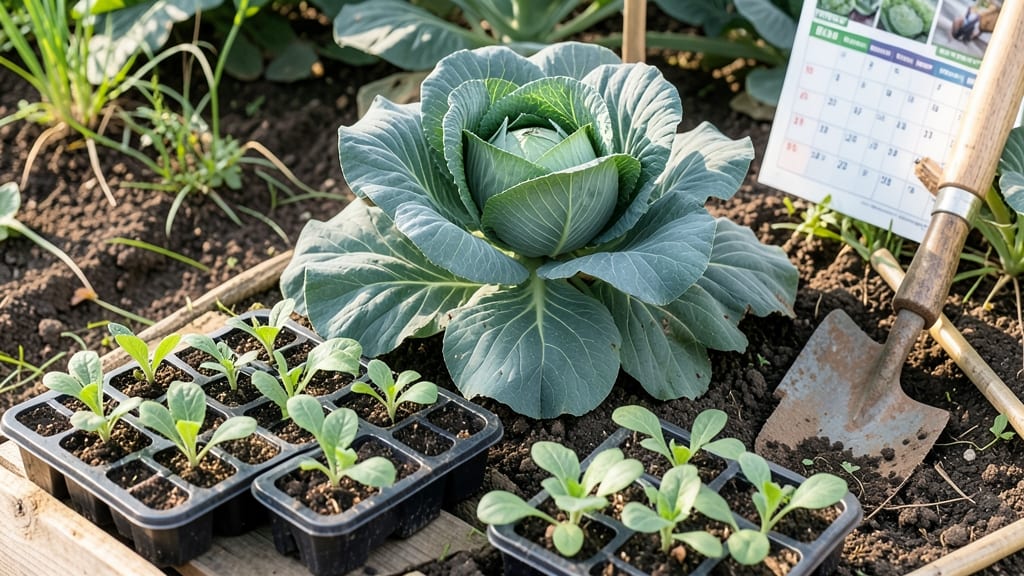
Timing when to plant cabbage in Colorado isn’t just about the calendar—it’s about outsmarting the state’s notorious frost swings and elevation quirks. Skip the guesswork, and you could end up with bitter greens or bolted heads instead of the crisp, flavorful harvest you’re dreaming of.
Here’s the game-changer: Colorado’s USDA Zones 5-7 demand precision, whether you’re sowing frost-tolerant January King in early spring or heat-resistant Savoy in late summer. The right window means the difference between a thriving garden and a wasted effort.
I’ll walk you through the exact month-by-month planting schedule tailored for Colorado’s microclimates—from Denver’s urban heat islands to the cooler high-altitude valleys. No more second-guessing whether your cabbage will survive the last frost or shrivel in summer heat.
Ready to transform your garden into a cabbage powerhouse? Let’s dive into the variety-specific planting windows that’ll keep your 🥬 thriving from spring to fall—no matter where you are in the Centennial State.
Best planting months for cabbage in Colorado by variety type
Colorado’s short growing season and variable frost dates demand precision when planting cabbage. The key is matching your cabbage variety to the right planting window, accounting for elevation differences between Denver, Colorado Springs, and high-altitude areas.
Most Colorado gardeners succeed with two planting cycles: spring for early harvests and fall for late-season storage.
For spring cabbage, start seeds indoors 4-6 weeks before your last frost date (typically March 15–April 1 for lowland areas). Transplant outdoors 2-3 weeks before the last frost, usually April 15–May 1. High-altitude zones (above 7,000 ft) should push this timeline 2 weeks earlier to avoid late frosts.
Fall cabbage thrives when sown July 15–August 15, giving heads time to mature before first frost (usually October 15). Heat-tolerant varieties like Savoy or Golden Acre handle Colorado’s summer better than delicate January King, which bolts in heat.
Here’s how to adjust for your region:
Direct sowing works for fall cabbage in well-drained soil, but spring plantings often succeed better with transplants. Buy 6-week-old seedlings from local nurseries (e.g., High Country Gardens) to skip the slow start. Harden them off for 7–10 days before transplanting to avoid shock.
Soil temperature is critical: cabbage seeds won’t germinate below 40°F. Use a soil thermometer to confirm readiness. In Denver (Zone 5), aim for 50°F+ soil in spring; in Colorado Springs (Zone 6), wait until 55°F+ for direct sowing.
Pro tip: Mulch with straw after transplanting to retain moisture and regulate soil temps. This is especially vital in Colorado’s dry, windy conditions, which can stress young plants. Adjust mulch thickness—2–3 inches in spring, 1 inch in fall—to balance insulation and airflow.
For high-altitude gardens (e.g., Fort Collins, Steamboat Springs), prioritize early-maturing varieties like Early Jersey Wakefield (58 days) or Tendercrisp (60 days). These finish before late May frosts that can damage tender leaves.
Always check your local frost dates via the Colorado State University Extension or Almanac. A 5°F dip can kill young cabbage, so plan row covers for early spring or late fall plantings. With the right timing, you’ll harvest crisp, firm heads from June through October!
How to extend Colorado’s cabbage growing season with successive plantings
Colorado’s short growing season doesn’t mean you’re limited to one cabbage harvest per year. With successive plantings and protective strategies, you can enjoy fresh heads from spring through fall.
The key is staggering your plantings to match the 130-day frost-free window while using tools like row covers and cold frames to push boundaries.
For a continuous supply, start with spring plantings in March and follow with summer sowings in July. Each batch should be spaced 3-4 weeks apart to create a rolling harvest.
This method works especially well for heat-tolerant varieties like Golden Acre or Crimson Glory, which handle Colorado’s summer heat better than delicate types.
Don’t overlook companion planting as a protective strategy. Pair cabbage with dill, onions, or thyme to deter pests like cabbage moths while improving flavor. These companions also help regulate soil temperature, which is critical in Colorado’s fluctuating climate.
For high-altitude gardens (above 6,000 feet), add an extra 2-3 weeks to your planting timeline to account for cooler soils.
Even with these strategies, late-season bolting can still occur if temperatures rise unexpectedly. To prevent this, choose bolting-resistant varieties like January King for fall and provide afternoon shade during heatwaves using shade cloth. This simple adjustment can extend your harvest window by 2-3 weeks in critical months.
For gardeners in USDA Zone 4 (northern Colorado), focus on early maturing varieties (60-70 days to harvest) and prioritize spring plantings. In Zone 7 (southern Colorado), you can attempt a second fall crop using row covers until mid-November.
Always monitor your local Almanac frost dates—they’re more reliable than general averages.
With these techniques, you’ll transform Colorado’s short season into a year-round cabbage production system. Start small with 2-3 successive plantings to test what works best in your microclimate, then expand next year. The goal? Fresh cabbage on your table from May through October—without the guesswork. 🥬