Plants
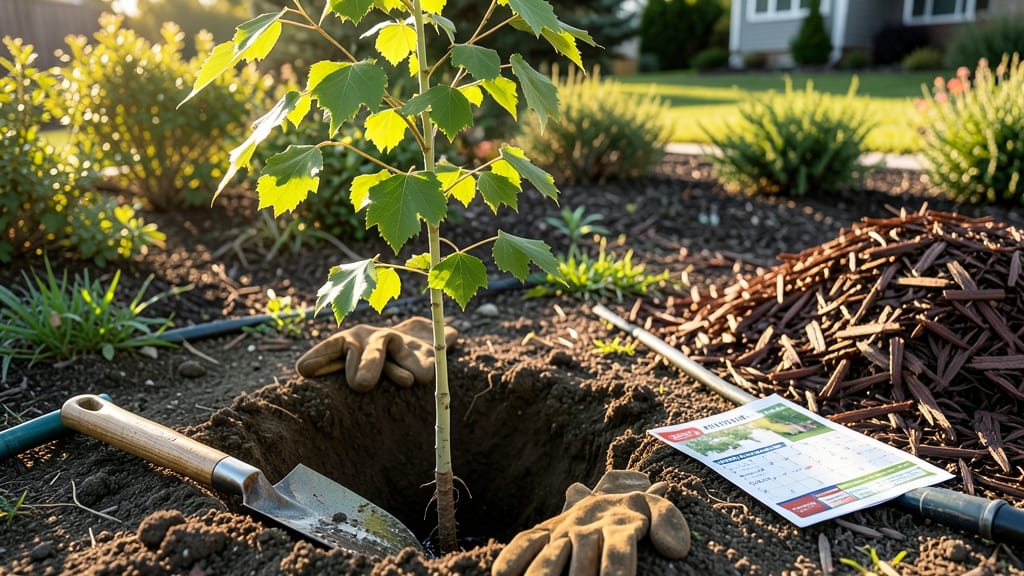
The best time to plant a tree in Colorado isn’t just about picking a season—it’s about timing it right with your elevation zone to beat frost and drought.
Whether you’re in the Front Range or the High Country, getting this wrong could mean years of struggling saplings instead of thriving 🌳 giants.
Colorado’s climate throws curveballs: late spring frosts can zap young roots, while summer drought stresses even the hardiest species. The key is planting when soil is workable but not frozen—typically late winter through early spring or fall, when cooler temps help roots establish before winter sets in.
I’ve seen firsthand how a well-timed planting transforms a backyard. In this guide, I’ll break down the optimal months by elevation, which tree species handle Colorado’s extremes best, and how to avoid common pitfalls like overwatering or choosing the wrong variety for your microclimate.
Ready to turn your yard into a thriving forest? Let’s dive into the science—and save you from costly mistakes.
Optimal tree planting months in Colorado by elevation Zone
Colorado’s dramatic elevation shifts—from the Front Range to the High Country—create wildly different planting conditions. At 5,000 feet, Denver’s last frost might linger until April 15, while at 10,000 feet, snow can blanket gardens until June.
These variations mean your optimal planting window depends entirely on where you live.
For most Colorado gardeners, the ideal months are September and October, when soil stays warm but nights cool. However, bare-root trees thrive when planted in late winter or early spring (February–March) before buds break.
Evergreens, like Colorado blue spruce, prefer late summer planting (August) to establish roots before winter.
Here’s how elevation zones break down for tree planting success:
| Zone | Elevation | Best Planting Window | Soil Temp Threshold | Frost Risk |
|---|---|---|---|---|
| Front Range | 5,000–7,500 ft | Sep–Oct (fall) or Feb–Mar (spring) | 45–55°F | Low (last frost: mid-April) |
| Foothills | 7,500–9,000 ft | Aug–Sep (evergreens) or Apr–May (deciduous) | 40–50°F | Moderate (last frost: late May) |
| High Country | 9,000+ ft | Jun–Jul (only option) | 35–45°F | High (last frost: June) |
In the Front Range, where USDA Zones 5–7 dominate, fall planting is the gold standard. The soil stays warm enough for roots to establish, but cooler air reduces stress. I’ve planted American elms in October and seen them sprout new leaves by May—proof that timing matters.
At higher elevations, like Estes Park (8,000 ft), late spring (May–June) is critical. The ground thaws, but late frosts can still hit. Choose hardy species like Rocky Mountain juniper, which tolerates dry, rocky soil and cold snaps.
Evergreens, such as ponderosa pine or Engelmann spruce, need special attention. Plant them in late summer (August) to give roots time to harden off before winter. I once planted a blue spruce in September at 9,500 feet—it survived, but its growth stalled for two years.
For container-grown trees, flexibility exists. You can plant them in spring or fall, but avoid peak summer heat, which causes transplant shock. If you’re in Zone 6 (e.g., Fort Collins), September 15–October 15 is your sweet spot.
Pro tip: Check the Colorado State University Extension frost maps for your exact location. A 50-mile difference can shift your planting window by 2–3 weeks. For example, Grand Junction (Zone 6) can plant in November, while Leadville (Zone 4) must wait until June.
Finally, soil temperature is non-negotiable. Use a soil thermometer to confirm it’s above 45°F before planting. Cold soil slows root growth, leaving your tree vulnerable to winter dieback. I’ve seen newly planted oaks in Denver fail because the soil was still too cold in March.
Timing your tree planting right in Colorado isn’t just about the calendar—it’s about reading the land. Pay attention to microclimates, elevation shifts, and species needs, and your tree will reward you with decades of shade and beauty. 🌳
Optimal tree planting months in Colorado by elevation Zone
Colorado’s diverse elevation zones create unique planting challenges. At 5,000–7,500 feet (Front Range), you’ll find milder winters, while 9,000+ feet (High Country) demands earlier planting to beat frost. Timing isn’t just about months—it’s about soil temperatures and frost-free days.
For example, a quaking aspen planted in Denver thrives in September, but the same tree in Aspen needs to go in by August to avoid freeze damage.
Evergreens like Colorado blue spruce have different rules—they can handle late summer planting (July–August) because their needles photosynthesize year-round. Deciduous trees, however, need spring or early fall windows to establish roots before dormancy.
The key? Soil warmth: Aim for 50°F+ at 4 inches deep before planting. Use a soil thermometer to check—it’s your best tool for success.
| Elevation Zone | Ideal Planting Window | Soil Temp Threshold | Frost Risk | Best Tree Types |
|---|---|---|---|---|
| Front Range (5,000–7,500 ft) | Late April–May or Sept–Oct | 50°F+ at 4" | Low (last frost: mid-April) | Elm, Oak, Linden |
| Foothills (7,500–9,000 ft) | May–June or Aug–Sept | 55°F+ at 4" | Moderate (last frost: late May) | Ponderosa Pine, Rocky Mountain Juniper |
| High Country (9,000+ ft) | June–July or July–Aug | 60°F+ at 4" | High (last frost: June) | Engelmann Spruce, Subalpine Fir |
Don’t let late spring planting fool you—it’s a gamble at higher elevations. A subalpine fir planted in June in Leadville may not establish roots before first frost in September.
My rule? Plant 6–8 weeks before your area’s average first frost. Check the Colorado State University Extension frost maps for your specific county to avoid costly mistakes.
Container-grown trees offer flexibility—they can be planted throughout the growing season, even in late fall (November) if the ground isn’t frozen. But bare-root trees? Those need dormant-season planting (late winter/early spring) to minimize transplant shock.
For example, a Colorado blue spruce bought bare-root in February should hit the ground by March at most.
Pro tip: Mulch heavily (3–4 inches) after planting to insulate roots. In High Country zones, add extra straw mulch—it acts like a blanket against temperature swings. Pair this with a drip irrigation system set to water deeply 2–3x per week for the first 60 days.
This combo gives young trees the moisture consistency they crave in Colorado’s dry, windy climate.
Timing isn’t just about the calendar—it’s about reading your microclimate. A south-facing slope warms faster than a north-facing yard, so adjust planting dates accordingly. And if you’re unsure? Plant in fall—it’s the safest bet for 90% of Colorado’s hardiness zones.
Your tree will thank you with years of lush growth instead of struggling for survival. 🌳