
Plants
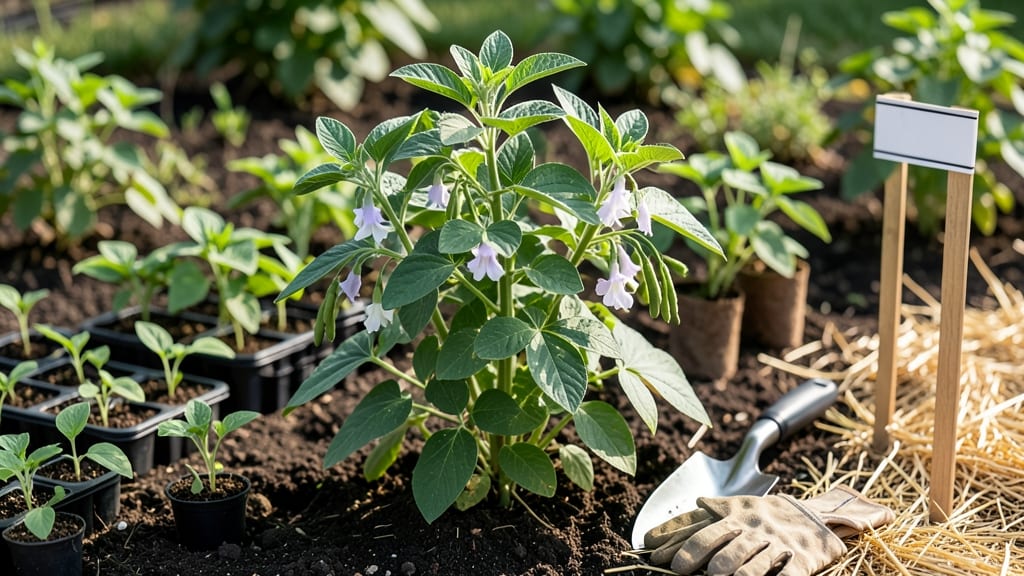
Planting bush beans 🌱 in Florida might seem simple—after all, you can grow them year-round—but timing makes all the difference between a thriving harvest and wasted effort.
The wrong planting window can leave your plants struggling in the heat or producing tiny, bitter beans instead of the sweet, plump pods you crave.
Florida’s frost-free climate means you’ve got more flexibility than gardeners in cooler states, but even here, summer’s intense heat can stress young plants if you’re not strategic. I’ve seen gardeners rush to plant too early in spring or ignore the cooler fall months—both mistakes that cut harvests short.
The key is knowing when to start seeds or set out transplants for maximum success.
In this guide, I’ll break down the ideal planting windows for Florida’s North, Central, and South regions, plus the 3 critical mistakes that ruin harvests (and how to avoid them).
Whether you’re a beginner or a seasoned gardener, these tips will help you grow bush beans that produce bigger yields all year long.
Ready to turn your garden into a bean-producing powerhouse? Let’s dive into the exact timing and techniques that work in Florida’s unique climate.
Best planting times for bush beans in Florida’s climate Zones
Florida’s unique climate lets you grow bush beans almost year-round, but timing still matters. Unlike northern states, you won’t deal with frost, but heat stress and soil temperatures dictate your planting windows.
The key is splitting your harvest into two cycles: spring and fall, with optional winter planting in warmer zones.
For North Florida (USDA Zones 8a-9a), aim for early spring (February-March) and late summer (August-September). Central Florida gardeners (Zones 9a-9b) can start as early as January and extend into October-November. Meanwhile, South Florida (Zones 10a-11) can plant year-round with peak success in spring and fall.
Here’s the breakdown of ideal planting windows tailored to Florida’s microclimates:
| Region | Best Planting Windows | Soil Temp Requirement | Key Considerations |
|---|---|---|---|
| North Florida | Feb 15 - Mar 15 Aug 15 - Sep 15 |
60°F+ (spring) 65°F+ (fall) |
Avoid summer planting; heat stress reduces yields |
| Central Florida | Jan 15 - Mar 15 Aug 1 - Oct 15 |
60°F+ (spring) 65°F+ (fall) |
Spring planting benefits from cooler temps; fall extends harvest into winter |
| South Florida | Year-round Peak: Feb-Apr, Sep-Nov |
65°F+ (always) | Winter planting possible with shade cloth; avoid peak summer (June-July) |
Your soil temperature is the real game-changer. Bush beans need soil at least 60°F (spring) or 65°F (summer/fall) to germinate properly. Use a soil thermometer to check—if it’s cooler, wait a week or two.
In North Florida, this often means waiting until late March for spring planting, while South Florida can start as early as January.
For spring planting, focus on February-March in most of Florida. This gives beans time to mature before summer’s 90°F+ temperatures stress the plants. In Central and South Florida, you can even start in January if you use shade cloth during the hottest afternoon hours.
Fall planting is equally critical. Aim for August-September in North Florida and September-October in Central/South Florida. This timing ensures your beans finish before winter’s cooler temps slow growth. In South Florida, you can push this into November for a winter harvest, though yields may be smaller.
Pro tip: Use succession planting every 2-3 weeks during your ideal windows to ensure a continuous harvest. For example, plant one batch in February, another in March, and a third in April—this stretches your harvest from May through July.
Remember, Florida’s humidity and heat can stress bush beans if not managed. Always plant in well-draining soil and mulch heavily to retain moisture. Avoid planting during peak summer (June-July) unless you’re in South Florida with shade protection.
By aligning your planting with these climate-specific windows, you’ll maximize yields and avoid the three critical mistakes that ruin most Florida gardeners’ bush bean harvests.
Best planting times for bush beans in Florida’s climate Zones
Florida’s unique climate lets you grow bush beans almost year-round, but timing still matters for maximum yields. Unlike northern states, we don’t have to worry about frost damage, but soil temperature and seasonal heat create natural windows for planting.
The key is planting when soil temperatures hit 60°F+ in spring or 65°F+ in summer. This ensures quick germination and strong early growth. Florida’s three climate zones (North, Central, South) have slightly different ideal windows due to temperature variations.
Here’s how to align your planting with Florida’s natural cycles for two harvest seasons—spring and fall—while avoiding the hottest summer months when beans can struggle.
🌱 Florida Bush Bean Planting Guide by Zone
| Zone | Best Planting Windows | Soil Temp Requirement | Harvest Window |
|---|---|---|---|
| North Florida (USDA 8a-9a) | Feb-Mar, Sep-Oct | 60°F+ (spring), 65°F+ (fall) | May-Jun, Nov-Dec |
| Central Florida (USDA 9b-10a) | Jan-Mar, Aug-Oct | 60°F+ (year-round) | Apr-Jun, Oct-Dec |
| South Florida (USDA 10b-11) | Jan-Feb, Sep-Oct | 65°F+ (year-round) | Mar-May, Nov-Jan |
💡 Pro Tip: Use mulch to keep soil cool in summer plantings—this helps beans thrive when air temps hit 90°F+.
For North Florida, focus on early spring (February-March) and fall (September-October) plantings. These months offer ideal soil temps without the intense summer heat that can stress young plants.
In Central Florida, you can push the envelope slightly with January plantings, but wait until soil warms to 60°F+. The August-October window is perfect for a fall harvest before winter rains arrive.
Southern gardeners enjoy the most flexibility—January-February and September-October are ideal, but you can also experiment with late summer plantings if you provide shade cloth during the hottest afternoons.
Remember: Succession planting every 2-3 weeks during your zone’s ideal windows ensures a continuous harvest instead of one big crop. This works especially well for fall plantings in Central and South Florida.