
Plants
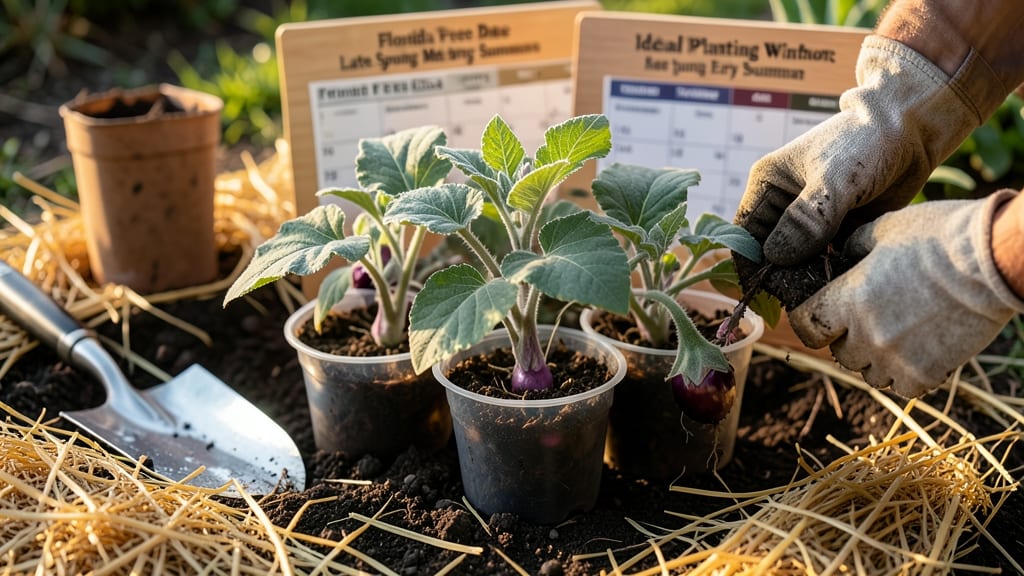
When to plant eggplant in Florida isn’t just about avoiding frost—it’s about syncing with the monsoon season for explosive growth. Plant too early, and you’ll battle unpredictable spring weather; too late, and you miss the sweet spot before summer’s brutal heat. The secret? Starting 8-10 weeks before Florida’s monsoon kicks in—typically between March and August—to give your plants the warm soil and humidity they crave.
Florida’s 9a-11 climate zones mean your neighbors might be harvesting while you’re still waiting for soil to warm up. North Florida gardeners should aim for late March to early April, while South Florida’s longer growing season lets you stretch planting until July.
The key? Watch for soil temperatures hitting 70°F+—your eggplants will thank you with bigger, sweeter fruit.
But here’s the catch: monsoon season isn’t just about rain—it’s about the humidity and heat that trigger flowering. Plant too close to the first storms, and you risk blossom drop or rot.
Get it right, though, and you’ll enjoy harvests from June through October, with varieties like ‘Black Beauty’ thriving in Florida’s heat.
Ready to turn your Florida garden into an eggplant powerhouse? I’ll walk you through exact planting weeks, soil prep hacks, and companion plants to beat the heat. Let’s make this your most productive season yet.
Optimal Florida eggplant planting weeks before monsoon season (with exact dates)
Florida’s monsoon season (June–September) isn’t just about rain—it’s the growth supercharger for eggplants. Planting 4–6 weeks before the first heavy rains ensures your plants establish roots while benefiting from humidity and warmth without drowning.
In North Florida, aim for early April; in Central Florida, late March to early May works best. South Florida’s longer frost-free season lets you stretch planting until mid-June.
Eggplants hate cold soil, so wait until the ground reaches 70°F+—a critical threshold for germination. Use a soil thermometer to avoid delays. In North Florida, this typically happens by mid-April, while South Florida can start as early as February in microclimates like Miami.
Here’s the golden rule: Plant 4–6 weeks before your region’s monsoon kickoff. For North Florida, that’s April 1–15; Central Florida, March 15–April 30; and South Florida, May 1–June 15.
This timing lets plants bolt through heat stress before the rains arrive, ensuring bigger yields and fewer blossom drop issues.
Florida Eggplant Planting Timeline by Region
| Region | Planting Window | Monsoon Prep Start | Soil Temp Threshold | Key Risk |
|---|---|---|---|---|
| North Florida (USDA 8a-9a) | April 1–15 | 3–4 weeks before June rains | 70°F+ (mid-April) | Late frost |
| Central Florida (USDA 9b-10a) | March 15–April 30 | 4–6 weeks before July rains | 68°F+ (early March) | Heat stress |
| South Florida (USDA 10b-11) | May 1–June 15 | 2–3 weeks before August rains | 72°F+ (year-round) | Hurricane season |
*Adjust for urban heat islands: Cities like Orlando or Tampa may plant 1–2 weeks earlier due to microclimates.
For urban gardeners, microclimates matter. A paved parking lot nearby? Your soil warms 5–10°F faster than rural areas, letting you plant 2 weeks earlier. Use a black plastic mulch to accelerate soil warming if needed.
Conversely, shady spots (like under palm trees) delay planting by 3–4 weeks—eggplants need full sun to thrive.
Pro tip: Transplant seedlings (not seeds) for faster results. Buy 6-week-old starts from local nurseries in February–March (North/Central) or April–May (South). Harden them off for 7–10 days before planting to avoid transplant shock.
In South Florida, you can even direct-sow seeds in March if you’re patient—just expect a longer wait for harvest.
Watch for false starts in North Florida. A cold snap in April can stall growth, so have row covers ready. In Central Florida, June heat waves can cause blossom drop—water deeply during dry spells to prevent stress.
South Florida’s humidity is ideal, but fungal diseases lurk, so space plants 18–24 inches apart for airflow.
Extend your harvest by succession planting. In North/Central Florida, make a second planting in late June for a fall crop. Use heat-tolerant varieties like 'Ichiban' or 'Rosa Bianca' to beat the first frost (usually mid-December).
In South Florida, you can plant year-round with shade cloth during peak summer to protect young plants.
Remember: Monsoon season isn’t just rain—it’s a growth explosion. Eggplants double in size with the right timing. Plant 4–6 weeks before those daily thunderstorms
How monsoon season affects eggplant growth in Florida (and how to leverage it)
Florida’s monsoon season—typically May through October—isn’t just about rain. The humidity spikes, temperature swings, and sudden downpours directly impact your eggplant’s ability to flower and fruit. Too much moisture can cause blossom drop or rot, while dry spells stall growth.
The key? Preparing your soil and plants to thrive in these conditions before the first big storm hits.
Eggplants love warmth but struggle with soggy roots. During monsoon season, their roots need aeration while their leaves crave consistent moisture. This balance is tricky—overwatering leads to fungal diseases like early blight, while underwatering causes bitter fruit and stunted growth.
The solution? Mulching and smart irrigation to keep roots happy without drowning them.
To protect your plants, start with well-draining soil mixed with compost and perlite. Raised beds are ideal—they prevent waterlogging while keeping roots warm. Add a 2-3 inch layer of mulch (straw or pine bark works best) to regulate soil temperature and reduce evaporation.
This keeps roots cool during 90°F+ days while preventing soil crusting from heavy rains.
During monsoon season, water deeply but infrequently. Aim for 1-2 gallons per plant every 2-3 days, focusing on the base of the plant (not the leaves) to avoid fungal spores. Morning watering is best—it gives leaves time to dry before evening humidity sets in.
If you’re using drip irrigation, elevate the lines slightly to prevent clogging from debris.
Watch for signs of stress like yellowing leaves or wilting, which signal overwatering or poor drainage. Eggplants also drop flowers when temps swing above 90°F or below 70°F.
To combat this, prune lower leaves for better airflow and use shade cloth (30-50%) during peak afternoon heat. This keeps your plants flowering consistently even when monsoon clouds roll in.
Leverage the monsoon’s natural fertilizer by harvesting rainwater in barrels for irrigation. The extra humidity also helps prevent cracked eggplant skin, a common issue in dry climates.
Just stay vigilant—monsoon season is your golden window for growth, but only if you adapt your care routine to Florida’s wild weather patterns.