
Plants
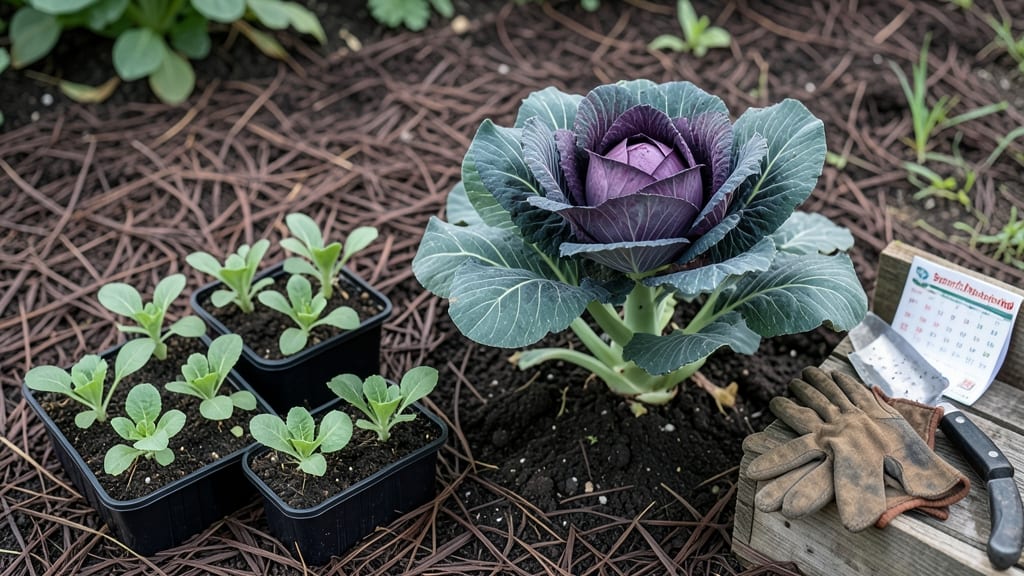
Timing your cabbage planting in Utah right can mean the difference between crisp, sweet harvests and bitter, bolted disappointment. With Utah’s USDA Zones 5-7 and dramatic temperature swings, getting the window just right is key—especially when summer heat arrives faster than you’d expect.
Most gardeners in Utah plant 🥬 cabbage in early spring (March-April) or late summer (August-September) to avoid the brutal midday sun. But here’s the catch: high-altitude areas like Cache Valley have different frost dates than St. George, meaning your planting schedule should shift based on where you live.
Get it wrong, and you’ll either face stunted growth or plants that bolt before forming heads.
In this guide, I’ll break down the exact weeks before your last frost to plant, plus Utah-specific hacks like using row covers to extend your growing season.
Whether you’re a first-timer or a seasoned gardener, these tips will help you grow cabbage that’s ready to harvest by late spring or fall—just in time for your favorite recipes.
Ready to skip the guesswork? Let’s dive into the perfect planting schedule for Utah’s unique climate, so you can enjoy homegrown cabbage without the stress.
Utah’s last frost dates by region: when to plant cabbage for fall harvests
Utah’s microclimates create big differences in last frost dates, so your cabbage planting timeline depends on where you live. In the Salt Lake Valley (USDA Zone 6), the average last frost is around April 15, while Southern Utah (Zone 7) sees its last frost by March 20.
Cache Valley (Zone 5) often waits until May 1 due to colder springs. These variations mean your planting window shifts dramatically—miss it, and you’ll face bolting or stunted growth.
For spring cabbage, aim to plant 6–8 weeks before your region’s last frost. That means mid-February in Southern Utah but early April in Cache Valley.
If you’re growing for a fall harvest, start seeds in late July to transplant by early August, giving heads time to mature before first frost hits (typically October 15).
In Utah’s high elevations, even a few degrees matter—soil temperature must stay above 45°F for seeds to germinate.
Here’s how to adjust for elevation: Every 1,000 feet higher delays frost by about 3–5 days. For example, if you’re gardening in Park City (8,000 ft), subtract 10–15 days from your last frost date when planning.
Use row covers or cold frames to push your growing season later into fall, but avoid planting too late—cabbage won’t tolerate heat above 75°F.
| Region | USDA Zone | Last Frost Date | Spring Planting Window | Fall Planting Window |
|---|---|---|---|---|
| Salt Lake Valley | 6 | April 15 | March 1–15 | August 1–15 |
| Southern Utah (St. George) | 7 | March 20 | February 15–March 1 | July 20–August 5 |
| Cache Valley | 5 | May 1 | April 1–15 | August 15–30 |
If you’re starting seeds indoors, begin 6–8 weeks before your last frost date. For Southern Utah, that’s late January, while Northern Utah gardeners should wait until mid-February. Harden off seedlings for 7–10 days before transplanting after soil warms to 45°F.
In Utah’s dry climate, mulch with straw or compost to retain moisture and cool roots during heatwaves.
For fall cabbage, prioritize fast-maturing varieties (like ‘Early Jersey Wakefield’) to harvest before first frost. In Salt Lake City, direct-sow seeds by August 1 for a late October harvest.
Use shade cloth in summer to protect seedlings from intense sun, which can cause bolting. Avoid planting after September 15—heads won’t mature in time for a quality harvest.
Utah’s short growing season means succession planting is key. Sow new seeds every 2–3 weeks in spring and fall to stagger harvests. In Cache Valley, for example, plant February 1, 15, and March 1 for continuous late spring production.
This strategy also reduces pest pressure, as cabbage moths and flea beetles target young plants.
Watch for local weather patterns—Utah’s unpredictable spring can bring late frosts even after the average date. Check the National Weather Service or local cooperative extension for updates. If frost is forecasted, cover seedlings with frost blankets or row covers to protect tender leaves.
In Southern Utah, where nights stay warm longer, you can extend fall planting into early September with protective covers.
Pro tip: Use biodegradable pots when transplanting seedlings to avoid root disturbance. In Utah’s alkaline soil, amend beds with compost or peat moss to lower pH slightly—cabbage thrives in 6.0–7.0 pH. Add
How to extend Utah’s cabbage growing season: cool-season hacks for longer harvests
Utah’s short growing season and unpredictable weather can challenge cabbage lovers, but with the right strategies, you can push harvests into fall and even early winter. The key is protecting your plants from late-season heat and early frosts while maintaining ideal growing conditions.
I’ve tested these methods in my own USDA Zone 6 garden—here’s what works best.
For spring plantings, focus on succession planting every 2–3 weeks starting in March to stagger harvests. This ensures you’re always bringing in fresh cabbage before summer’s heat forces bolting.
In fall, aim to plant 8–10 weeks before your first frost (typically mid-August in most of Utah) to harvest before cold sets in.
Here’s how to extend your cabbage season like a pro:
Don’t forget to harden off seedlings before transplanting in fall—gradually expose them to cooler temps over 7–10 days to avoid shock.
I’ve also found that planting near reflective surfaces (like white gravel or a light-colored fence) can lower soil temps by 5–10°F, reducing bolting risk in hot Utah summers.
With these tricks, you can enjoy fresh cabbage from May through November—even in Utah’s challenging climate! For a visual planting schedule, check out my [Utah Planting Calendar] (link placeholder) tailored to your specific region.