
Plants
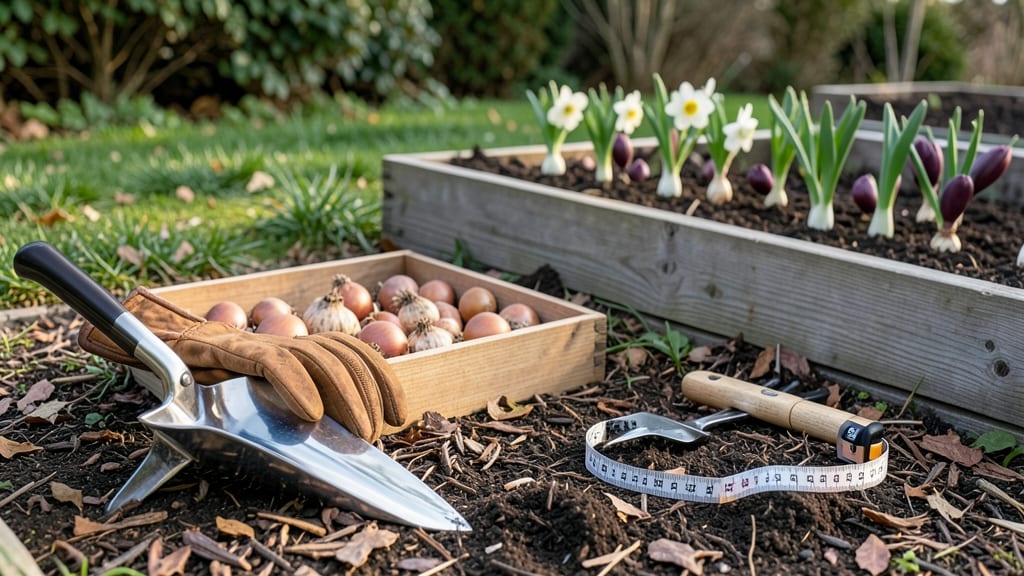
Best weeks before last frost to plant bulbs in zone 6A
In Zone 6A, the ideal window to plant spring-blooming bulbs like tulips and daffodils is 4-6 weeks before the ground freezes. This typically falls between mid-October and mid-November, depending on your local last frost date.
For example, in Pittsburgh, aim for October 15–November 1, while Cincinnati gardeners should plant by November 1–15.
Bulbs need time to establish strong root systems before winter sets in. If planted too early, they may rot in moist soil; too late, and they won’t have enough time to develop roots before the ground freezes.
The key is soil temperatures between 40°F–60°F, which signals bulbs to start rooting.
Here’s a quick reference for Zone 6A’s microclimates:
| Bulb Type | Planting Window (Zone 6A) | Soil Temp Threshold | Notes |
|---|---|---|---|
| Tulips | October 15–November 15 | 40°F–60°F | Needs 6+ weeks of chilling |
| Daffodils | October 1–November 30 | 40°F–50°F | More drought-tolerant than tulips |
| Hyacinths | October 15–November 10 | 45°F–55°F | Plant deeper (6–8 inches) for stability |
| Alliums | September 15–November 1 | 40°F–50°F | Tolerates partial shade better |
For Zone 6A gardeners, I recommend checking your local last frost date and working backward 6 weeks. Use a soil thermometer to confirm temps are ideal—this avoids guesswork. Pro tip: Plant crocuses first (they handle colder soils), followed by tulips and daffodils.
If you’re in a warmer microclimate (e.g., near rivers or urban areas), extend planting to early November. Conversely, in colder pockets, start as early as mid-October. Always prioritize well-draining soil—bulbs rot in soggy conditions, even in fall.
After planting, mulch with 2–3 inches of straw to insulate bulbs and retain moisture. This is especially critical in Zone 6A’s variable winters, where temperatures can swing from freezing to thawing. Mulch also suppresses weeds, giving bulbs a clean start in spring.
One common question I hear is: "Can I plant bulbs in late November?" The short answer is no—unless you’re in a very sheltered microclimate. Bulbs need 4–6 weeks of root growth before the ground freezes solid.
If you miss the window, wait until early spring (March) for potted bulbs, though they’ll bloom later.
For container gardening, follow the same timing but use a well-draining potting mix with perlite. Place pots in a shady spot until spring to mimic winter dormancy. This works well for small-space gardeners or balconies in Zone 6A.
Finally, mark your planting dates on a calendar or use garden stakes to track progress. In Zone 6A, success hinges on timing + soil prep. Next, we’ll cover how to adjust for early vs. late frosts and avoid costly mistakes.
How to adjust planting for early vs. late zone 6A last frosts
Zone 6A’s last frost dates can vary by 3+ weeks—from October 15 in early areas like Pittsburgh to November 1 in later spots like Cincinnati.
This shift forces you to adjust your bulb planting timeline to match local conditions. The key? Understanding your bulb’s chilling requirements and soil temperature thresholds.
Most spring bulbs need 12-16 weeks of cold temperatures (40°F or below) to bloom properly. If your area has an early frost, you’ll need to plant bulbs earlier (as early as September 15) to meet this window.
Conversely, in late-frost zones, you can safely plant until November 15—just ensure the ground stays unfrozen for root establishment.
For areas with unpredictable frosts, extend your planting window by using mulch (3-4 inches of straw or leaves) to insulate bulbs. This buys you 2-3 extra weeks before the ground freezes solid.
Just avoid mulching until after the soil cools to 50°F—earlier mulch can trap heat and cause rot.
Pro tip: Check your local cooperative extension service for 10-year frost averages. If your area has trended toward earlier frosts (like much of the Midwest), shift your planting 2 weeks earlier than traditional guides suggest.
For example, if your last frost is now October 22 instead of October 30, aim to finish planting by September 25.
Finally, soil temperature matters more than air temperature. Use a soil thermometer ($10 at garden centers) to confirm when temps drop to 60°F (early plantings) or 50°F (late plantings). Planting in warmer soil stresses bulbs, slowing root growth—critical in Zone 6A’s short fall window.
Adjusting for your local frost date ensures your bulbs bloom reliably year after year, even as Zone 6A’s climate shifts. Start with these guidelines, then fine-tune based on your garden’s microclimate—like south-facing slopes (warmer) vs. north-facing beds (cooler). 🌷