
Plants
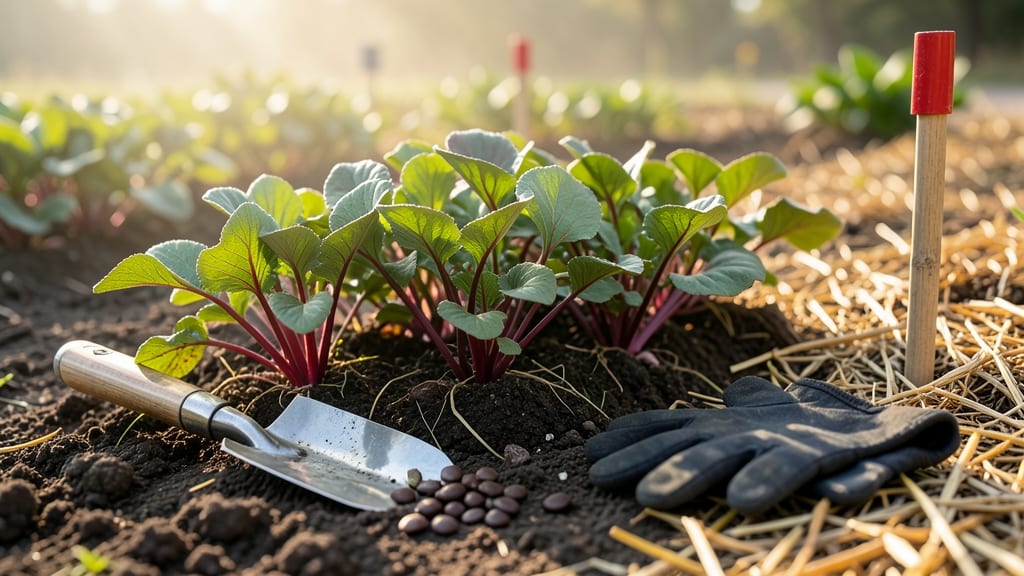
Knowing when to plant beets in Zone 7a is the secret to growing sweet, tender roots instead of tough, woody ones. That perfect window isn't just about dates—it's about timing your seeds so they mature before summer's heat turns them bitter.
In my garden, I've learned that planting too early risks frost damage, while waiting too long means bolting before harvest. Let me show you the exact weeks before last frost that guarantee perfect 🟣 beets every time.
Zone 7a's climate gives us two prime opportunities: early spring and late summer. The key is working with your local frost dates—typically March 15 for last frost and November 15 for first frost.
For spring plantings, aim to get seeds in the ground 4-6 weeks before that last frost date, when soil temperatures hit at least 40°F. This gives your beets enough time to develop before summer's heat sets in.
But here's where most gardeners go wrong: they focus only on spring. The real advantage in Zone 7a comes from that second planting window in late summer. July and August offer cooler soil temperatures and shorter daylight hours, which actually help prevent bolting.
With the right variety and timing, you can enjoy fresh beets into fall—just in time for those cozy harvest dinners.
I'll walk you through exactly how to calculate your planting dates, which beet varieties work best for each season, and the common mistakes that turn sweet roots into tough challenges. By the end, you'll have a foolproof system for growing beets that taste like summer all season long—no guesswork required.

Optimal planting windows for beets in Zone 7a: exact weeks before last frost
In Zone 7a, where the average last frost date falls between March 15–April 15, timing your beet seeds is everything. Plant too early, and you risk bolting (going to seed) in cold soils. Plant too late, and your roots may turn woody before harvest.
The key? Start seeds 4–6 weeks before your last frost for a spring harvest, or 8–10 weeks before the first frost for a fall crop.
Beets thrive in soil temperatures above 40°F, so wait until the ground warms up—even if frost warnings linger. Use a soil thermometer to confirm readiness. For Zone 7a, this typically means mid-March to early April for spring plantings.
If you’re aiming for a fall harvest, late July to early August is your window, giving roots time to mature before first frost in mid-November.
🌱
| Planting Window | Zone 7a Dates | Soil Temp | Days to Harvest |
|---|---|---|---|
| Early Spring | March 15–April 15 | 40°F+ | 50–70 days |
| Late Summer | July 15–August 15 | 50°F+ | 40–60 days |
For spring beets, aim to harvest by late May to June before temperatures climb above 80°F. Beets grown in hot weather develop a gritty texture and lose sweetness. If you’re planting in late summer, prioritize shade cloth or drip irrigation to keep roots cool and crisp.
Succession planting is your secret weapon in Zone 7a. Sow seeds every 2–3 weeks from March to July for a continuous harvest. This prevents overcrowding and ensures you’re always pulling fresh, tender roots.
Mark your calendar for March 15, April 1, April 15, and May 1 as your key planting dates.
Don’t forget to harden off seedlings if you start them indoors. Acclimate them to Zone 7a’s cool nights and variable weather over 7–10 days before transplanting. This reduces shock and boosts survival rates.
🌿
If you’re new to beet growing, start with ‘Detroit Dark Red’ or ‘Golden’ varieties—they’re forgiving and adapt well to Zone 7a’s spring and fall conditions. Avoid bolting-prone varieties like ‘Chioggia’ for late-season plantings unless you’re in a protected microclimate.
Pro tip: Use row covers in early spring to warm the soil faster and extend your planting window by 2–3 weeks. This is especially helpful if your Zone 7a area experiences late frosts or chilly nights.
Finally, always test your soil before planting. Beets prefer loamy, well-draining soil with a pH of 6.0–7.0. Amend heavy clay soils with compost or sand to improve drainage—waterlogged roots turn tough and unpalatable.
Optimal planting windows for beets in Zone 7a: exact weeks before last frost
In Zone 7a, where the average last frost date falls between March 15–April 15, timing your beet planting is critical. Beets thrive in cool weather and bolt (go to seed) when temperatures exceed 80°F, so precision matters.
Planting too early risks frost damage, while late planting can lead to woody, bitter roots.
For the best harvest, aim to sow beets 4–6 weeks before your last frost—typically between February 20–March 20 for early spring plantings. This window ensures roots mature before summer heat sets in.
If you miss this, don’t worry: a second planting in late summer (July–early August) can yield a fall harvest before frost.
🌱 Key rule: Soil must stay above 40°F for seeds to germinate. Use a soil thermometer to confirm—cold soil delays sprouting. In Zone 7a, this usually aligns with mid-March after the ground thaws.
| Planting Window | Zone 7a Dates | Soil Temp | Risk |
|---|---|---|---|
| Early Spring | February 20–March 20 | 40°F+ | Frost damage if too early |
| Late Summer | July 1–August 10 | 60°F+ | Bolting if too late |
| Fall (Bonus) | August 15–September 1 | 50°F+ | Shortened season |
📅 Pro Tip: Use succession planting every 2 weeks for continuous harvests.
Bolting is the biggest enemy of sweet beets in Zone 7a. If you plant in late April or May, rising temperatures can trigger flowering, turning your roots bitter. To avoid this, opt for heat-tolerant varieties like ‘Burpee’s Golden’ or stick to shade cloth during peak summer heat.
For a fall harvest, sow seeds by August 15 at the latest. Beets grown in cooler fall weather develop sweeter, tender roots—just ensure they mature before the first frost (November 15). Use row covers to extend the season if needed.
💡 Zone 7a hack: Test your soil’s readiness by pressing your finger into it—if it crumbles easily, it’s time to plant. Hard or icy soil means wait a week or two. Well-draining, loamy soil is ideal for beets, so amend with compost if your garden feels clay-heavy.