
Plants
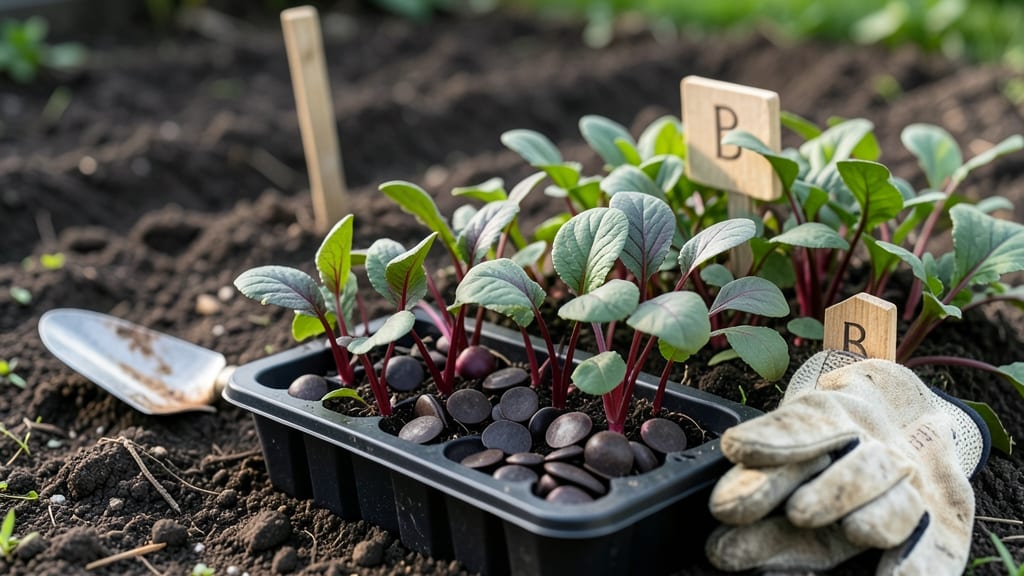
Timing your beet seed planting in Zone 6 is the secret weapon behind a garden bursting with sweet, tender 🍠 harvests—get it wrong, and you’ll either watch your seeds rot in cold soil or bolt before you even taste them.
Here’s the deal: Beets thrive when soil temps hit 50-85°F, which in Zone 6 means starting 2-4 weeks before your last frost date (usually around April 15 for most areas). But there’s a trick—planting too early can mean muddy soil, while waiting too long risks summer heat stress.
I’ve cracked the code for both spring and fall plantings, so you can enjoy fresh beets from June through November without the guesswork. Whether you’re a first-time gardener or a seasoned pro, these exact windows will give you the fastest, most reliable growth.
Let’s dive into the perfect planting schedule—plus how to stretch your harvest all season long with succession planting. Your taste buds (and dinner table) will thank you.

Zone 6 beet seed planting calendar: exact weeks before last frost for optimal growth
Beets thrive in Zone 6 when planted at the right time—too early, and frost will kill tender seedlings; too late, and heat stress stunts growth.
The ideal window spans 2-4 weeks before your last frost date, typically March 15 to April 30 for spring and July 1 to August 15 for fall. In Zone 6, your last frost date averages April 15, so aim to plant 4-6 weeks before for robust seedlings.
Beets also tolerate cool soil temperatures down to 50°F but struggle when soil exceeds 85°F. Use a soil thermometer to confirm readiness—wait until soil reaches 55-60°F for best germination. In northern Zone 6 (6a), plant 3-4 weeks earlier than southern areas (6b) due to cooler spring soil.
For fall harvests, focus on July-August planting to ensure beets mature before first frost (October 15). Fall-planted beets often develop sweeter flavors from cooler nights. In both seasons, succession planting (every 2-3 weeks) extends harvests by preventing bolting from heat stress.
🌱
Zone 6 Beet Planting Timeline
| Season | Planting Window | Soil Temp | Days to Harvest | Key Notes |
|---|---|---|---|---|
| Spring | March 15 - April 30 | 55-65°F | 50-70 days | Plant 4-6 weeks before last frost |
| Early Summer | May 1 - June 15 | 60-75°F | 45-60 days | Use shade cloth if temps exceed 80°F |
| Fall | July 1 - August 15 | 65-75°F | 50-65 days | Harvest before first frost (Oct 15) |
Your Zone 6 last frost date (April 15) marks the cutoff for spring planting. For maximum yields, plant 3 batches in spring: March 15, April 1, and April 15.
This staggered approach ensures a continuous harvest from June through September. In northern Zone 6 (6a), delay first planting until April 1 to avoid frost.
Fall planting requires precise timing—beets need 50-65 days to mature before frost. Plant July 1 and August 1 for harvests in October-November. Use row covers to extend fall harvests by 2-3 weeks if temperatures dip below 40°F at night.
Soil preparation is critical for Zone 6 beets. Amend beds with compost to improve drainage—beets hate soggy soil. Test pH (6.0-7.0) and add lime if needed. Mulch with straw to retain moisture and suppress weeds, especially during hot summer months.
🌿
If you’re in Zone 6b (warmer microclimates), push spring planting to April 15 and consider a third fall planting on August 15 for late-season harvests. Monitor weather forecasts—unexpected late frosts can damage seedlings, while heatwaves above 90°F cause bolting (flowering prematurely).
For container growing, use 5-gallon pots and plant 2-3 seeds per pot, thinning to the strongest seedling. Containers warm up faster than garden soil, so plant 1-2 weeks earlier than in-ground beds. Place pots in full sun and water daily during summer heat.
How to extend your beet harvest in Zone 6: succession planting techniques for continuous yields
Succession planting is the secret to a never-ending beet harvest in Zone 6. Instead of planting all your seeds at once, stagger them every 2-3 weeks to ensure fresh beets all season long. This method also prevents bolting (when beets flower prematurely) and keeps pests from overwhelming your garden.
Start your first planting 3-4 weeks before your last frost date (around March 15 in most of Zone 6). Then, repeat every 2 weeks until early summer. For fall harvests, begin your last succession planting July 1 and continue until August 15.
Each planting wave should follow the same spacing rules: ½-inch deep, 1-2 inches apart, and thin to 3-4 inches apart once seedlings emerge. This spacing ensures strong roots and prevents competition for nutrients.
Succession Planting Timeline for Zone 6
- 🌱 March 15-30: First planting (3-4 weeks before last frost)
- 🌱 April 15: Second planting (2 weeks after first)
- 🌱 May 1: Third planting (for continuous harvest)
- 🌱 July 1: Start fall succession (first of 3-4 plantings)
- 🌱 August 15: Final fall planting (harvest before frost)
For fall plantings, choose heat-tolerant varieties like 'Detroit Dark Red' or 'Golden' beets. These varieties handle summer heat better and mature faster, giving you a second harvest before first frost (around October 15 in Zone 6).
Monitor soil temperature with a soil thermometer—beets germinate best in soil that's at least 50°F. If temperatures drop below this, wait until the soil warms up to avoid slow germination. Mulch with straw to keep soil warm and retain moisture for faster growth.
By mastering succession planting, you’ll enjoy fresh beets from June through November—no more sad, wilted greens at the end of summer! Just remember: thin seedlings early, water consistently, and harvest before roots get too large to keep your beets tender and sweet.