
Plants
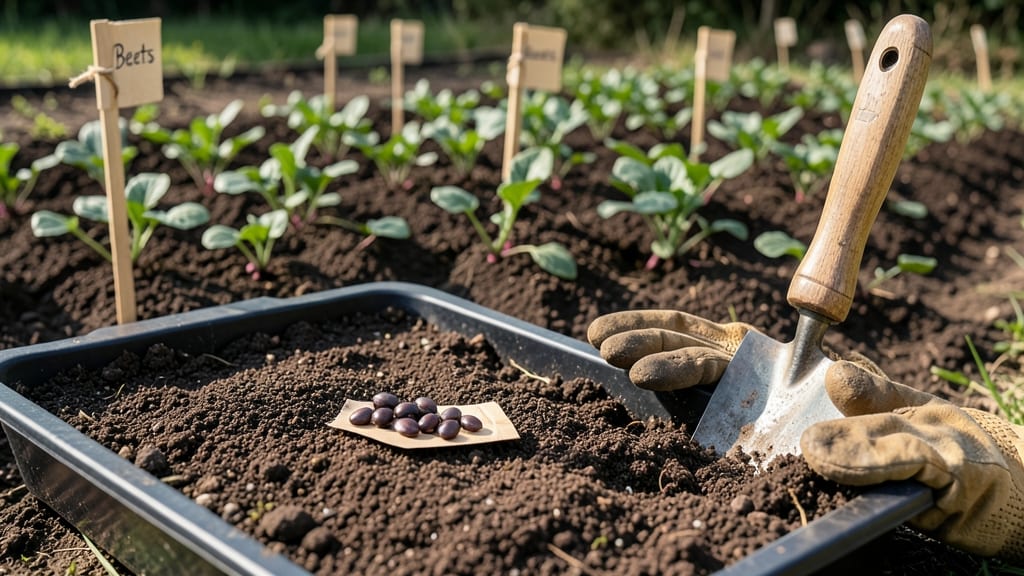
Planting beets at the wrong time in Zone 8b can turn your garden dreams into bitter disappointment—literally.
These earthy roots 🍠 crave cool weather, but if you wait too late in spring or push fall planting too far, you’ll end up with tough, woody beets instead of the sweet harvest you’re after.
Here’s the secret: timing isn’t just about months—it’s about counting backward from your last frost. In Zone 8b, that means starting seeds 4–6 weeks before your average last frost date (around mid-February for spring and late August for fall).
Get this wrong, and you’ll miss the window for tender, flavorful beets entirely.
But don’t stress—this guide breaks down the exact weeks to plant for fast, reliable harvests, plus how to stretch your beet season with smart tricks like succession planting.
Whether you’re a first-time gardener or a seasoned green thumb, these tips will help you grow beets that taste like they came straight from a farmer’s market.
Ready to dig in? Let’s get those seeds in the ground at the perfect moment for a bumper crop of sweet, juicy beets—no guesswork required.

Zone 8b beet planting timeline: exact weeks before last frost for peak yields
In Zone 8b, where last frost typically arrives around February 15 and first frost hits November 15, timing your beet planting is critical. Beets prefer cooler temperatures (50–75°F) and will bolt (go to seed) if exposed to prolonged heat above 80°F.
The key is planting 4–6 weeks before your last frost for spring beets and 8–10 weeks before first frost for fall harvests.
For spring beets, start seeds indoors 6–8 weeks before last frost (around December 25–January 15) or sow directly outdoors February 15–March 15.
This ensures roots mature before summer heat sets in. Fall plantings should begin August 1–September 1 to harvest before frost—smaller roots develop faster in cooler weather, preventing woody texture.
Zone 8b’s microclimates (coastal areas stay milder than inland) can shift frost dates by 2–3 weeks. Check your local USDA frost map or use a soil thermometer—beets germinate best in soil temps above 40°F. If your area has early frosts, adjust planting 2 weeks earlier.
🌱
For succession planting, sow seeds every 2–3 weeks from February to September to ensure a steady supply. Use shade cloth (30–50%) in late spring to protect seedlings from heat stress, which can cause bolting. Varieties like ‘Detroit Dark Red’ or ‘Golden’ tolerate heat slightly better than others.
Always plant seeds ½ inch deep and thin seedlings to 2–3 inches apart—crowding leads to small, misshapen roots. Amend soil with compost before planting to improve drainage, as beets hate soggy conditions. Mulch with straw or grass clippings to retain moisture and suppress weeds.
🌿
Monitor your beet greens for signs of stress: yellowing leaves mean overwatering or poor drainage, while small, tough roots indicate harvesting too late. Aim to pull beets when they’re 1–3 inches wide for the sweetest flavor.
In Zone 8b, this typically means harvesting spring beets by late June and fall beets by early November.
Pro tip: Use a moisture meter to check soil conditions—beets need consistent moisture but can rot in waterlogged soil. Water deeply early in the morning to prevent fungal diseases like leaf spot, which thrives in damp foliage.
✂️
Zone 8b beet planting timeline: exact weeks before last frost for peak yields
In Zone 8b, beets love the cooler temperatures of spring and fall, but timing is critical to avoid bolting or stunted growth. The last average frost date in Zone 8b is around February 15, so aim to plant your first batch 4–6 weeks before that date.
For fall harvests, start seeds 8–10 weeks before the first frost, which typically hits November 15.
Soil temperature is just as important as frost dates. Beets germinate best in soil that’s 45–85°F. In Zone 8b, this usually means waiting until late February or early March for spring plantings.
For fall, soil stays warm enough until late summer, making August or early September ideal. Use a soil thermometer to check—if it’s below 50°F, wait a few more days.
Zone 8b Beet Planting Schedule
| Season | Planting Window | Soil Temp Requirement | Weeks Before Frost |
|---|---|---|---|
| Spring | Late February - Early April | 45–85°F | 4–6 weeks before last frost |
| Fall | August - Early September | 50–75°F | 8–10 weeks before first frost |
*Adjust for microclimates—coastal areas may have later frosts.
If you’re unsure about frost dates, check your local USDA Plant Hardiness Zone map or use a frost calendar for your specific city. For example, San Diego (Zone 8b) has later frosts than Phoenix, so adjust accordingly.
Planting too early in spring or too late in fall can lead to small, tough beets or bolting (flowering prematurely).
For a continuous harvest, consider successive plantings every 2–3 weeks during the ideal windows. This ensures you’ll have fresh beets from spring through fall. Just remember, beets need 6–8 hours of sun daily, so choose a sunny spot in your garden.
If your soil is heavy clay, amend it with compost to improve drainage and prevent rot.
One pro tip: If you’re planting in late summer for fall harvests, use shade cloth (30–50%) to protect seedlings from intense heat. This keeps soil temperatures cooler and reduces stress on young plants.
Mulch with straw or grass clippings to retain moisture and suppress weeds, which is especially helpful in Zone 8b’s hot, dry spells.
Finally, don’t forget to thin seedlings to 2–3 inches apart once they’re 2–3 inches tall. This prevents overcrowding and ensures larger, sweeter roots. With the right timing and care, you’ll enjoy a bountiful beet harvest all season long! 🌱