
Plants
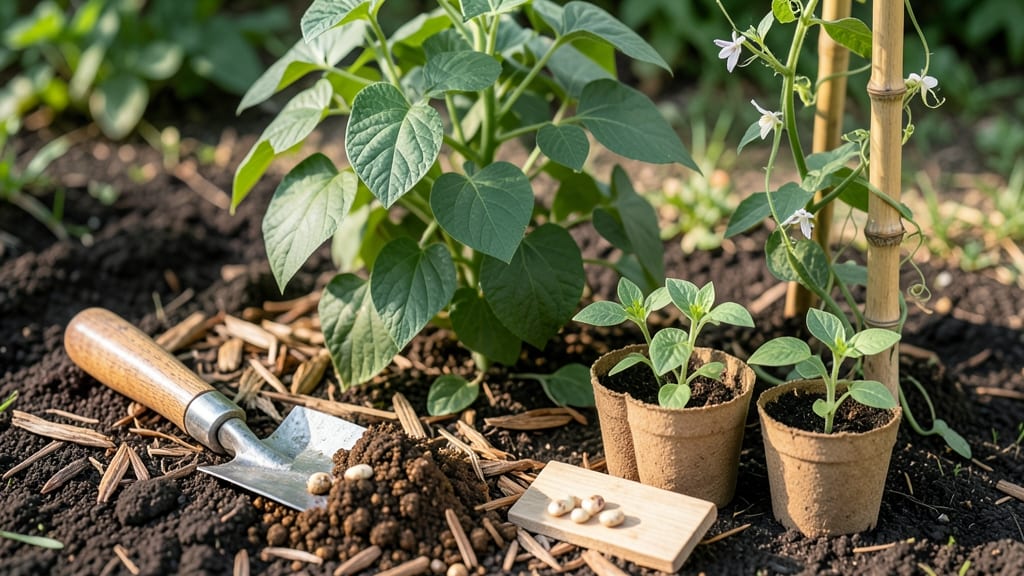
Planting beans in Zone 5 at the wrong time can mean the difference between a thriving garden and wasted effort—these warm-weather 🌱 lovers need precise timing to avoid frost damage and maximize yield.
With Zone 5's short growing season, knowing exactly when to plant beans—typically 2–4 weeks after your last frost date—isn’t just helpful, it’s essential.
Whether you’re growing bush beans for quick harvests or pole beans for a longer season, getting the timing right ensures fast germination and a bountiful summer crop.
I’ll walk you through the exact weeks before your last frost to plant, how to adjust for northern vs. southern Zone 5 variations, and simple tricks to extend your harvest well into September. No more guessing—just a foolproof plan for your garden.
Ready to turn your garden into a bean-producing powerhouse? Let’s get those seeds in the ground at the perfect moment for fast growth and a harvest you’ll actually enjoy.

Optimal bean planting weeks before last frost in Zone 5
Beans are warm-season lovers that refuse to germinate in cold soil—so planting them too early in Zone 5 is a fast track to disappointment. The last frost date (typically around May 10) isn’t your only deadline.
Soil must reach 60°F (15°C) for seeds to sprout reliably, and air temps should stay above 50°F (10°C) nightly. For Zone 5, this usually means waiting until 2–4 weeks after your average last frost.
Northern Zone 5 gardens (e.g., Minnesota, Wisconsin) have shorter growing seasons, so aim for late May planting. Southern Zone 5 (e.g., Ohio, Pennsylvania) can start slightly earlier, around mid-April if soil warms fast.
Always check your local frost-free date—it’s the real deadline, not just the calendar.
Here’s the golden rule: Plant beans 1–2 weeks after your last frost when soil is 60°F+. For pole beans (like Kentucky Wonder), start slightly earlier—they take longer to mature. Bush beans (like Blue Lake) can go in a bit later since they harvest faster.
If you’re starting beans indoors (which is rare but useful for late varieties), begin seeds 4–6 weeks before your last frost. Use biodegradable pots and transplant seedlings after soil warms—they hate cold feet!
For direct sowing (most common), scatter seeds 1 inch deep, 2–3 inches apart, in rows 18–24 inches apart.
Zone 5’s short growing season means you’ll likely only get one main harvest unless you use succession planting. Plant a second crop in late June for a fall harvest before the first frost (October 10).
Choose fast-maturing varieties like Contender or Provider for these late plantings—they’ll reach maturity before cold sets in.
Watch for false springs—those warm April days that trick you into planting early. Beans won’t survive a late frost, and cold soil can cause seeds to rot in the ground. If temps drop below 50°F (10°C) at night, cover seedlings with row fabric until danger passes.
For container growing, use 5-gallon pots or larger—beans need deep roots and good drainage. Place pots in the sunniest spot and keep soil moist but not soggy. Containers warm up faster than garden beds, so you might plant 1–2 weeks earlier than in-ground beans.
Don’t forget: Beans fix nitrogen in the soil, so they’re great follow-ups after heavy feeders like corn or tomatoes. Plant them where legumes grew last year for extra benefits. Just avoid planting near onions or garlic—they stunt bean growth.
Mark your calendar for July 1—that’s when most Zone 5 beans start producing. If you’ve planted correctly, you’ll see first flowers in 3–4 weeks, followed by pods in 2 weeks. Happy harvesting! 🌱
Optimal bean planting weeks before last frost in Zone 5
In Zone 5, beans need warm soil (60°F+) and frost-free conditions to thrive. Since the average last frost date is May 10, aim to plant beans 2–4 weeks after this date—typically between May 15 and June 1.
This window ensures your plants mature before fall frosts hit around October 10.
For pole beans, which take 60–70 days to harvest, start seeds indoors 2 weeks before your last frost date if using transplants. Bush beans, which mature faster (50–60 days), can go directly into the garden once soil warms.
Heirloom varieties may need even more time, so adjust accordingly.
Soil temperature is critical—use a soil thermometer to confirm it’s above 60°F. Cold soil slows germination, leading to poor stands. If your soil is still chilly, try black plastic mulch to warm it faster. Northern Zone 5 gardens (e.g., Minnesota, Wisconsin) should plant 2 weeks later than southern areas (e.g., Ohio, Pennsylvania).
🌱 Bean Planting Timeline for Zone 5
| Stage | Action | Notes |
|---|---|---|
| 2–4 Weeks Before Last Frost | Start pole beans indoors (if using transplants) | Use seed-starting mix |
| After Last Frost (May 10) | Direct-sow bush beans outdoors | Soil must be 60°F+ |
| May 15–June 1 | Transplant pole beans or sow additional seeds | Space 4–6 inches apart |
| June–July | Harvest beans every 2–3 days | Pick pods at peak crispness |
For succession planting, sow a second crop of fast-maturing bush beans (e.g., Blue Lake) in late June to extend your harvest into early fall. Choose varieties labeled "early" or "bush" for shorter growing seasons. Avoid planting beans too close to corn or tomatoes, as they share diseases.
If your growing season feels too short, opt for dwarf varieties like Contender or Blue Lake Bush, which mature in 50–55 days. These give you a head start on the 165 frost-free days Zone 5 typically offers. Always monitor weather forecasts—late spring frosts can still sneak in!
Pro tip: Mark your last frost date on your calendar and count backward. For pole beans, this means planting by May 20 at the latest. For bush beans, you have until June 15 for a late harvest. Don’t wait too long—beans grow fast but bolt quickly in heat!