
Plants
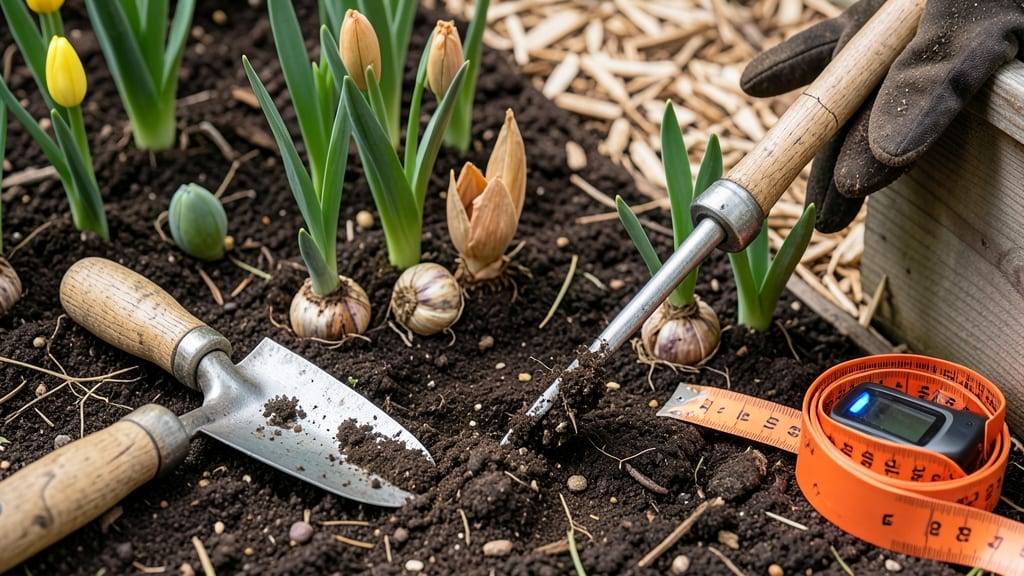
Timing when to plant bulbs in Utah isn’t just about the calendar—it’s about surviving the state’s dramatic shifts from desert heat to mountain frosts.
Plant too early in Salt Lake City’s 6b zone, and your tulips might rot before winter; too late in St. George’s 7a, and they’ll miss their chilling period. The difference between vibrant blooms and a sad, frost-killed garden often comes down to knowing your exact elevation zone.
I’ve spent years testing planting windows across Utah’s 5b-7b zones, and the data shows that even a 2-week miscalculation can ruin your chances of spring color.
Whether you’re in the high desert or the Wasatch Front, the key is planting when soil temps hit 60°F—usually September 15-October 15—but adjusting for your local frost dates. Let me walk you through the exact months by elevation so you can avoid the most common mistakes.
You’ll also discover which bulbs thrive in Utah’s unique microclimates—like daffodils that shrug off gophers or crocus that bloom through snow—and how to prep your soil for zero frost damage.
No more guessing whether your bulbs will survive the winter or bloom on schedule. By the end, you’ll have a foolproof plan tailored to your backyard’s altitude.
Ready to transform your Utah garden into a springtime explosion of color? Let’s dive into the science-backed planting schedule that’ll have your neighbors asking, “How’d you get such perfect blooms?”
Utah’s 3 elevation zones and exact bulb planting months for frost-free growth
Utah’s elevation zones create wildly different planting conditions. Lowland areas like St. George (7a-7b) have milder winters, while high mountain regions near Park City (5b-6a) face earlier frosts.
To avoid frost damage and ensure vibrant blooms, timing is everything. Let’s break down the exact months to plant bulbs in each zone.
For lowland Utah (2,000–5,000 ft), like Southern Utah and Utah Valley, plant tulips and daffodils between September 15 and October 15.
These areas have later frost dates (mid-November) and warmer soil, giving bulbs time to root before winter. Crocus can even handle November plantings in these zones.
In mid-elevation Utah (5,000–8,000 ft), such as Salt Lake City and Provo, aim for September 1–October 1.
Frost typically arrives by mid-October, so bulbs need 6–8 weeks to establish roots. Hyacinths and alliums thrive here but require well-draining soil to prevent rot in Utah’s clay-heavy loam.
High-elevation Utah (8,000+ ft), including Ogden and Park City, demands earlier planting (August 15–September 15). These zones see frosts as early as September 20, so bulbs like snowdrops and alpine crocus must root quickly. Use mulch (3–4 inches of straw) to insulate soil and protect bulbs from freeze-thaw cycles.
🌱Pro Tip: Check your USDA zone and last frost date using the Utah State University Extension’s frost calendar. For example, Logan (5b) freezes by September 20, while St. George (7b) holds off until November 15.
Soil temperature is critical—bulbs need 6–8 weeks of cool (40–60°F) soil to root before dormancy. Use a soil thermometer to monitor temps; lowland areas often hit ideal temps by mid-September, while high-elevation zones may need earlier starts.
For spring-blooming bulbs, plant 6–8 inches deep in well-draining soil. Utah’s clay-heavy soils in areas like Ogden benefit from amending with sand or compost. In sandy soils (common in Southern Utah), plant deeper (8–10 inches) to retain moisture.
✂️Action Step: Test your soil’s drainage by digging a 6-inch hole and filling it with water. If it drains in 1–2 hours, it’s ideal. If water pools, add organic matter like compost or perlite.
Even with perfect timing, late frosts can damage emerging shoots. Use
Best fall-planted bulbs for Utah’s climate and how to extend their lifespan
Utah’s microclimates demand bulbs that thrive in both high-desert dryness and mountain chill. My top picks—daffodils, Allium, and Fritillaria—handle Utah’s extremes while delivering vibrant spring color. These varieties resist gophers, tolerate drought-like conditions, and bloom reliably year after year.
For low-elevation gardens (Salt Lake City and south), drought-tolerant daffodils like 'Tête-à-Tête' shine. In mid-elevation zones (Park City, Ogden), tulips and hyacinths love the cooler nights. High-altitude areas (Logan, Cache Valley) favor crocuses and snowdrops, which bloom early before snowmelt.
Soil prep is critical—amend heavy clay with compost and sand, while sandy soils benefit from organic matter to retain moisture. Test your soil’s pH (aim for 6.0–7.0); most bulbs prefer slightly acidic to neutral conditions. In Utah’s alkaline soils, a peat moss amendment helps balance pH naturally.
| Bulb Type | Best Utah Zone | Key Benefit | Planting Depth |
|---|---|---|---|
| Daffodils (Narcissus) | Low to Mid (5b-7a) | Gopher-resistant, drought-tolerant | 6-8 inches |
| Allium (Allium) | All elevations (5b-9a) | Long bloom time, deer-resistant | 4-6 inches |
| Fritillaria (Fritillaria) | Mid to High (6a-7b) | Unique checkered blooms, thrives in partial shade | 6-8 inches |
| Crocus (Crocus) | High (6a-8a) | Early bloomer, naturalizes easily | 3-4 inches |
To extend bulb lifespan, mulch with 3–4 inches of straw after planting. This insulates roots from temperature swings and suppresses weeds. In gopher-prone areas, wrap bulbs in hardware cloth before backfilling soil. For late-frost protection, use row covers or plant near shrubs that act as windbreaks.
Water deeply after planting to encourage root growth, then reduce irrigation once foliage appears. Overwatering in dormancy (winter) can rot bulbs. In Utah’s arid climate, a drip irrigation system set to 1 inch per week during active growth keeps bulbs thriving without waste.
With the right bulbs and care, your Utah garden will burst with color from March through June, proving that even our unpredictable climate can yield stunning results. Start with these varieties, and you’ll have low-maintenance blooms for decades! 🌷