
Plants
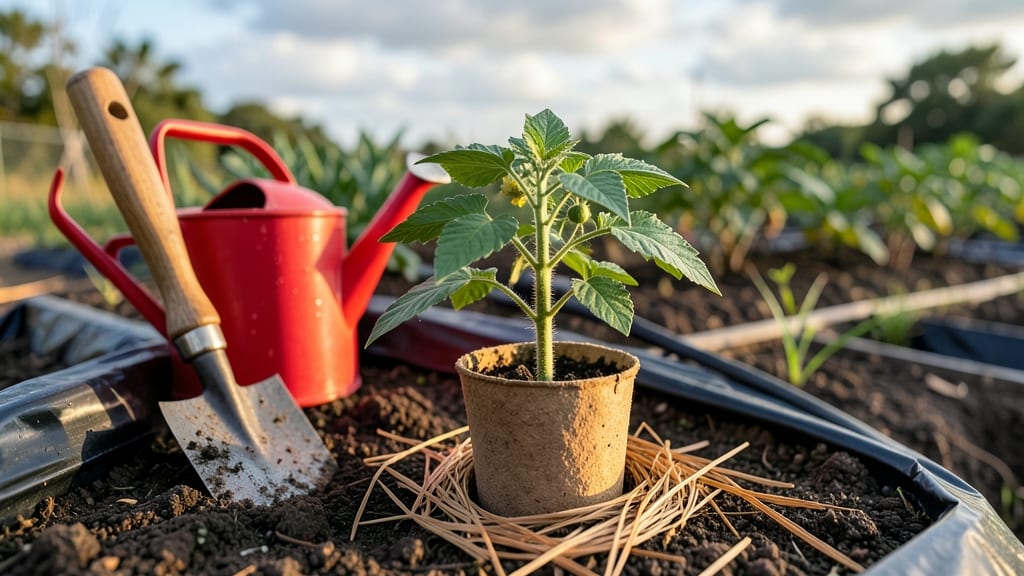
If you've ever wondered when is the best time to plant in Florida, the answer isn't as simple as "just plant it now" - Florida's climate is unique, and timing can make or break your garden's success.
With 11 distinct planting zones across the state, what works in the Panhandle might fail in the Keys, and vice versa. Whether you're growing veggies, flowers, or native plants, getting the timing right means avoiding frost damage, pests, and struggling plants.
I've spent years gardening across Florida's regions, and I can tell you firsthand that planting too early or too late can turn your green thumb into a frustrating experience. The key is understanding your specific zone's frost dates and heat tolerance - because yes, even Florida has its chilly moments.
Let me show you exactly when to plant for maximum success, no matter where you live in the Sunshine State.
From cool-season crops that thrive in Florida's mild winters to heat-loving tropical plants that need perfect timing, we'll cover it all. You'll discover the exact months to plant for each region, plus pro tips for preparing soil, mulching, and adjusting watering schedules.
Whether you're a beginner or a seasoned gardener, these insights will help you grow a thriving garden that lasts all year round.
Ready to stop guessing and start growing? Let's dive into Florida's planting schedule by region, so you can enjoy a garden that's as beautiful as it is productive. Your future harvests will thank you!
Florida’s planting zones: exact months for frost-free success by region
Florida’s unique climate means year-round gardening is possible, but planting timing still depends on your specific region. The state spans 11 USDA hardiness zones, from Zone 8a in the Panhandle to Zone 11 in the Keys. These zones dictate your frost risk and ideal planting windows.
Northern Florida (Zones 8-9) faces occasional light frosts in winter, while Central Florida (Zone 10) rarely drops below 40°F. Southern Florida (Zones 10b-11) enjoys tropical conditions year-round. Let’s break down the exact months to plant for each region.
| Region | USDA Zone | Cool Season (Fall/Winter) | Warm Season (Spring/Summer) | Tropical (Year-Round) |
|---|---|---|---|---|
| Northern Florida | 8a-9a | Sept-Oct (transplant), Nov (direct sow) | March-May (transplant), April-June (direct sow) | None (use cool-season crops) |
| Central Florida | 9b-10a | Sept-Dec (transplant), Oct-Dec (direct sow) | Feb-June (transplant), March-July (direct sow) | Year-round (heat-tolerant plants) |
| South Florida | 10b-11 | Year-round (cool-season crops) | Year-round (warm-season crops) | All tropical plants |
🌱 Key: Transplant = seedlings; Direct sow = seeds
In Northern Florida, focus on cool-season crops like lettuce and broccoli in fall and warm-season crops like tomatoes and peppers in spring. The last frost date varies—expect January-February in the Panhandle but rarely below 40°F in Central Florida.
Central Florida gardeners enjoy longer growing seasons with two main planting windows: fall (September-December) for cool-season crops and spring (February-June) for warm-season crops. Direct sowing works year-round for heat-tolerant plants like okra or sweet potatoes.
Southern Florida’s tropical climate allows year-round planting, but monsoon season (June-September) can bring heavy rains. Heat-sensitive crops like spinach thrive in winter months, while tomatoes and peppers grow best in spring and fall.
Always check your local frost dates—even in Florida! Use the Florida Climate Center or USDA Plant Hardiness Zone Map to confirm. Soil temperature matters too: aim for 60-70°F for most vegetables.
For container gardening, timing is flexible, but transplanting seedlings during cooler months reduces stress. Mulch heavily in summer to retain moisture and protect roots from heat stress.
🌿 Pro Tip: Start warm-season crops indoors in January-February for a head start before transplanting in March-April. This extends your harvest season by 4-6 weeks.
Best plants to grow in each Florida season (and when to start them)
Florida’s three distinct seasons—cool (fall/winter), warm (spring/summer), and tropical (year-round)—each offer unique planting opportunities. Unlike northern climates, you can grow vegetables, flowers, and herbs year-round, but timing still matters to avoid heat stress or poor yields.
Let’s break down the best plants for each season and their ideal transplanting windows.
For cool-season crops, focus on fall through early spring (September–March). These plants thrive in 60–75°F soil temperatures and include leafy greens, root vegetables, and brassicas. In warm-season zones (April–October), prioritize tomatoes, peppers, and squash, which need 70–90°F soil to flourish.
Finally, tropical plants like bananas, citrus, and palms grow year-round but peak in summer’s humidity.
🌱 Pro Tip: Start cool-season seeds indoors 6–8 weeks before the last frost (typically mid-February in North Florida, mid-January in Central/South). For warm-season crops, sow seeds directly after soil warms (usually mid-March in North Florida, February in Central/South).
| Season | Best Plants | Ideal Transplant Time | Soil Temp (°F) |
|---|---|---|---|
| Cool (Fall/Winter) | Leafy Greens, Broccoli, Carrots, Radishes | Sep–Mar (North), Oct–Apr (Central/South) | 60–75°F |
| Warm (Spring/Summer) | Tomatoes, Peppers, Okra, Sweet Potatoes | Mar–May (North), Feb–Apr (Central/South) | 70–90°F |
| Tropical (Year-Round) | Bananas, Citrus, Pineapples, Ginger | Anytime (best in summer) | 75–95°F |
Herbs like basil, cilantro, and dill are versatile—plant basil in spring/summer (it bolts in heat) and cilantro in fall/winter (it bolts in summer). For flowers, pansies and snapdragons thrive in cool weather, while marigolds and zinnias love warm-season sun. Native Florida-friendly plants like coontie, firebush, and muhly grass need minimal intervention and adapt to any season.
Avoid planting heat-sensitive crops (like lettuce or spinach) in summer—they’ll bolt or wilt. Instead, succession plant by sowing new seeds every 2–3 weeks for a continuous harvest. For example, radishes mature in 25 days, so you can plant them every 3 weeks from September to March without gaps.
🌿 Key Takeaway: Florida’s microclimates mean your neighbor’s perfect timing might not work for you. Check your USDA zone (North: 8a–9a; Central: 9b–10a; South: 10b–11) and local frost dates to fine-tune your schedule. With the right timing, you can enjoy homegrown food year-round—no frost required!