
Plants
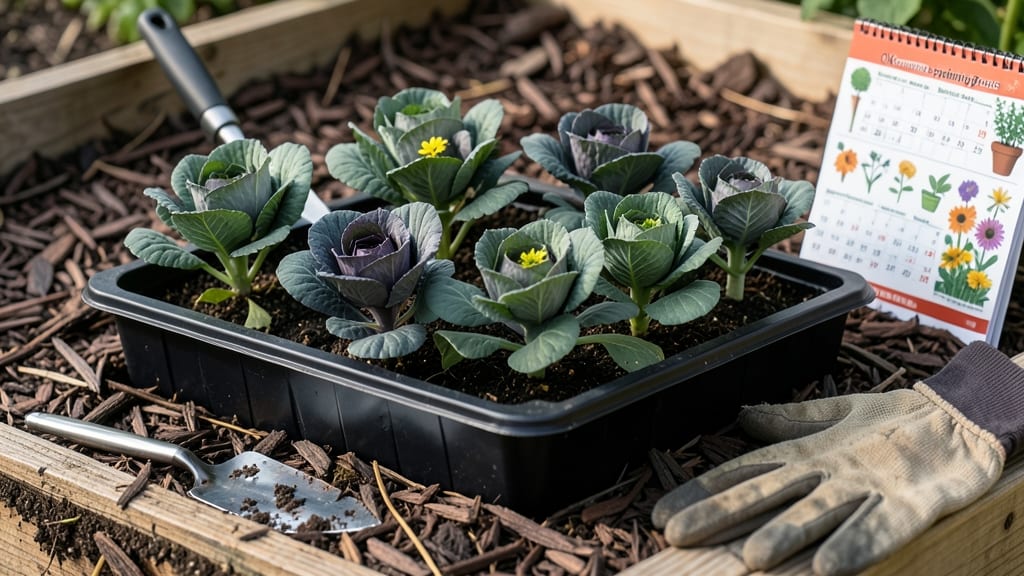
If you’ve ever stared at your Oklahoma garden calendar wondering "when to plant cabbage in Oklahoma", you’re not alone—timing is everything for crisp, flavorful heads. The 6b-8a zones here mean frost can sneak up fast, but with the right schedule, you’ll enjoy fresh 🥬 from spring through fall.
Most gardeners in Oklahoma plant cabbage twice a year: early spring (March-April) for late-spring harvests or late summer (July-August) for fall yields. But here’s the catch: planting too early risks frost damage, while waiting too long can mean bolting before harvest.
I’ll break down the exact dates to avoid these pitfalls and keep your cabbage thriving.
Whether you’re growing head cabbage for salads or leafy varieties for braising, Oklahoma’s heat and humidity demand smart planning. Learn how to adjust for your specific zone, choose heat-tolerant varieties, and extend your growing season with simple tricks that work—no guesswork required.
Ready to go from seed to harvest without the stress? Let’s dive into the foolproof planting schedule that’ll have your cabbage garden booming, no matter where in Oklahoma you’re growing.
Oklahoma cabbage planting calendar: exact dates by frost Zone
Oklahoma’s three USDA frost zones (7a, 7b, 8a) create distinct planting windows for cabbage. In Zone 7a (northwest OK), your last frost typically arrives by March 20-25, while Zone 8a (south OK) sees frost depart by March 5-10.
Fall planting requires counting back 100-120 days from your first frost date—usually November 15 in northern regions and November 25 in southern areas.
For spring cabbage, plant 4-6 weeks before your last frost date. That means February 15-25 in Zone 7a and March 1-10 in Zone 8a. Summer planting (for fall harvest) should begin July 15-30 across all zones to avoid Oklahoma’s brutal summer heat.
Here’s how to align your planting with Oklahoma’s three frost zones for maximum success:
| Zone | Last Frost | Spring Planting | Summer Planting | Fall Harvest |
|---|---|---|---|---|
| 7a (NW OK) | March 20-25 | Feb 15-25 | Jul 15-30 | Oct 15-Nov 1 |
| 7b (Central OK) | March 10-15 | Feb 25-Mar 5 | Jul 1-15 | Oct 25-Nov 5 |
| 8a (South OK) | March 5-10 | Mar 1-10 | Jul 10-20 | Nov 1-10 |
For head cabbage varieties like ‘Golden Acre’ or ‘Early Jersey Wakefield’, stick to these windows. Leaf cabbage (e.g., ‘Red Express’) is more flexible—you can plant it 2-3 weeks later than head types, as it tolerates warmer soil better.
Pro tip: Use row covers to extend your spring planting by 2-3 weeks in colder Zone 7a areas. This protects seedlings from late frosts while still allowing early planting.
In Zone 8a, where summers are scorching, focus on fall planting for the best results. Start seeds indoors 8-10 weeks before your target transplant date (usually late July) to ensure strong, heat-resistant plants.
Oklahoma’s 100-120 day growing season for cabbage means you can squeeze in two harvests per year—one in late spring and another in fall. Plan your succession plantings accordingly to avoid gaps in your fresh cabbage supply.
Remember: Soil temperature matters just as much as air temperature. Cabbage seeds won’t germinate well in soil colder than 40°F. Use a soil thermometer to confirm readiness—especially in Zone 7a where early springs can be chilly.
For container gardening in Oklahoma, start seeds indoors 6-8 weeks before your last frost date. Small pots dry out faster, so keep them in a humid, warm environment (70-75°F) until transplanting.
By following these zone-specific dates, you’ll avoid the #1 mistake Oklahoma gardeners make: planting too early and losing seedlings to frost. Timing is everything for cabbage—get it right, and you’ll enjoy crisp, homegrown heads from spring through fall! 🥬
How to extend your cabbage growing season in Oklahoma’s heat
Oklahoma’s summer heat—often hitting 95°F+—can stress cabbage plants, causing them to bolt or develop bitter flavors. But with the right strategies, you can grow heat-tolerant varieties like ‘Cavalo’ or ‘Golden Acre’ from late summer through fall.
The key is managing soil moisture, providing shade, and choosing the right planting windows.
First, focus on late summer planting (mid-July to early August) to avoid the worst heat. These varieties mature faster, giving them time to develop heads before fall frosts arrive in November.
For extra protection, use 30-50% shade cloth during peak afternoon sun (12 PM–4 PM) to keep soil temps below 85°F.
Don’t overlook companion planting—pair cabbage with radishes or bush beans to improve soil structure and deter pests like cabbage worms. Avoid planting near tomatoes, which compete for nutrients and attract similar pests.
For container growing, use 5-gallon pots with well-draining mix (50% compost, 50% potting soil). Place containers in partial shade and water daily—containers dry out faster in Oklahoma’s heat. Harvest heads when they reach 6-8 inches wide to avoid bolting.
With these adjustments, you can enjoy crisp, sweet cabbage well into October, even in Oklahoma’s brutal summers. Start small with 2-3 plants of a heat-tolerant variety, and expand next year based on your success!