
Plants
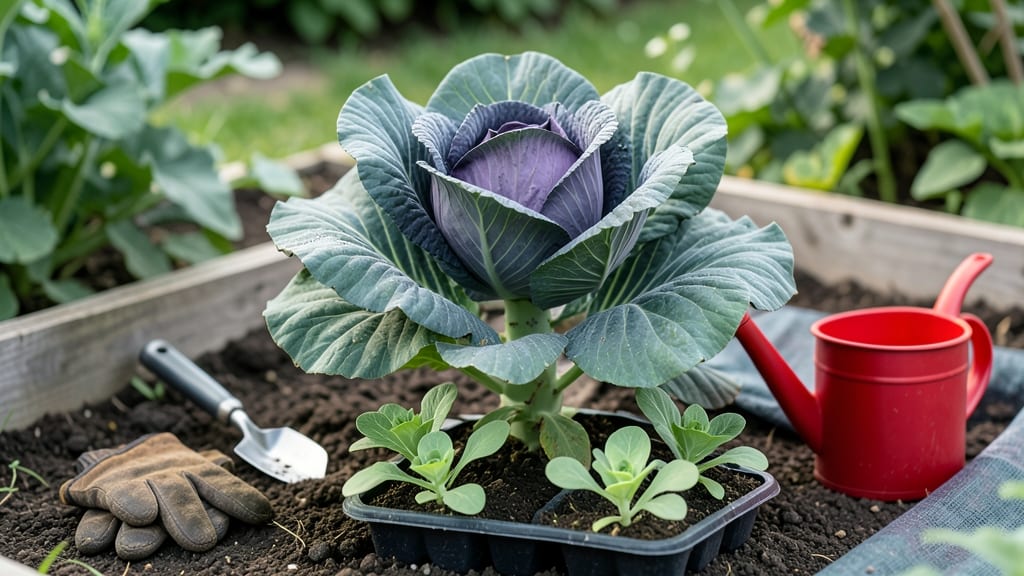
If you've ever grown cabbage in Zone 9, you know the struggle—planting it too early means bolting, and too late means stunted growth.
The key to when to plant cabbage in Zone 9 isn’t just about timing; it’s about beating the heat while giving your 🥬 the cooler weather it craves.
Zone 9’s warm winters and long growing season make cabbage a tricky crop, but with the right strategy, you can avoid bitter, seed-filled heads. I’ve tested what works in Southern California and Arizona, and the secret lies in planting during the fall window—just as temperatures start to dip.
In this guide, I’ll show you exactly when to sow seeds or transplant starts for a bolting-free harvest, plus how to extend your growing season with shade and mulch.
Whether you’re a first-time gardener or a seasoned pro, these tips will help you grow cabbage that’s crisp, sweet, and ready to harvest by spring.
Let’s dive into the best months to plant, the varieties that thrive here, and how to keep your cabbage happy until harvest time—no bitter surprises included.

Optimal planting windows for cabbage in Zone 9 to avoid bolting
In Zone 9, where summer temperatures often soar above 85°F, timing your cabbage planting is critical to prevent bolting. The ideal strategy involves two distinct planting windows: late summer for a fall harvest and fall/winter for a spring harvest.
Each window requires precise timing to align with cooling trends and avoid heat stress.
For most Zone 9 growers, the best months to plant cabbage are August-September for a fall crop and November-December for a spring crop. These periods allow plants to establish roots before temperatures drop into their ideal 60-70°F growth range.
Missing these windows risks exposing young plants to summer heat, which triggers bolting.
Direct sowing in late August (for fall) or transplanting seedlings in November (for spring) are my go-to methods. Seedlings purchased from nurseries are often pre-hardened for cooler weather, giving them a head start in Zone 9’s mild winters. Always check seed packets for days to maturity—most varieties need 70-100 days to harvest.
Here’s the key: Cabbage bolts when exposed to prolonged temperatures above 80°F during active growth. In Zone 9, this means avoiding spring planting after March, as daytime highs often exceed this threshold. Instead, focus on cooler months when nights dip below 70°F—perfect for head formation.
If you’re in Southern California or Arizona’s lower elevations, where heat lingers later, prioritize shade-tolerant varieties like 'Cavalo' or 'Golden Acre' for your fall window. These types handle slightly warmer conditions better than standard green cabbage.
For coastal Zone 9 areas (like San Diego), you can extend planting into early October thanks to milder microclimates.
Pro tip: Use a soil thermometer to monitor ground temperatures. Cabbage roots thrive when soil stays between 55-65°F. If your soil runs warmer (common in July-August), delay planting until nighttime temps consistently drop below 75°F. This small adjustment can save your crop from bolting.
For container growers in Zone 9, 10-inch pots work well for cabbage, but move them to shaded patios by mid-morning in summer. Pots dry out faster, so check moisture daily.
If you notice yellowing leaves or loose heads, it’s a sign of heat stress—act fast by providing afternoon shade with a lightweight row cover.
Remember: Cabbage is a cool-season crop, and Zone 9’s climate demands patience. Rushing the planting window often leads to disappointment. By sticking to these two optimal windows—late summer for fall and fall for spring—you’ll enjoy crisp, bolting-free heads all year round.
🥬
Optimal planting windows for cabbage in Zone 9 to avoid bolting
Zone 9's warm climate demands precise timing for cabbage—plant too early or late, and you risk bolting (premature flowering). The sweet spot is late summer to early winter, when temperatures stay below 85°F during the day. This window ensures steady growth without heat stress, which triggers bolting.
For direct sowing, aim for August to early September or October to November. Transplants can go in slightly later—September to early November—since they establish faster. Avoid planting after November 15, as winter rains and cooler temps can stunt growth.
🌱 Key temperature thresholds to watch:
- Daytime highs above 85°F → Risk of bolting
- Nighttime lows below 50°F → Slows growth
- Ideal range: 60–75°F for consistent head formation
| Planting Window | Best Method | Temperature Range | Harvest Timeframe |
|---|---|---|---|
| Late Summer (Aug–Early Sept) | Direct Sowing | 70–80°F (day) | Jan–Feb (60–75 days) |
| Fall (Oct–Nov) | Transplanting | 60–75°F (day) | Feb–Mar (75–90 days) |
| Avoid Summer (June–July) | N/A (Bolting risk) | Above 85°F | — |
📅 Pro Tip: Use shade cloth (30–50%) if planting in late September to protect seedlings from afternoon heat.
If you miss the fall window, late January is a backup for cool-season varieties like 'January King.' However, these may mature slower in Zone 9’s mild winters. Always check your local frost-free date—even Zone 9 can see light frosts in desert areas.
For container growing, start seeds indoors 6–8 weeks before transplanting (e.g., late July for fall planting). Use 5-gallon pots with drainage holes to prevent root stress. Containers dry out faster, so monitor soil moisture closely—drought stress is another bolting trigger.
💧 Watering tip: Keep soil consistently moist (1–2 inches per week) but avoid waterlogging. Mulch with straw or wood chips to retain moisture and regulate soil temps—critical for preventing bolting in Zone 9’s fluctuating microclimates.