
Plants
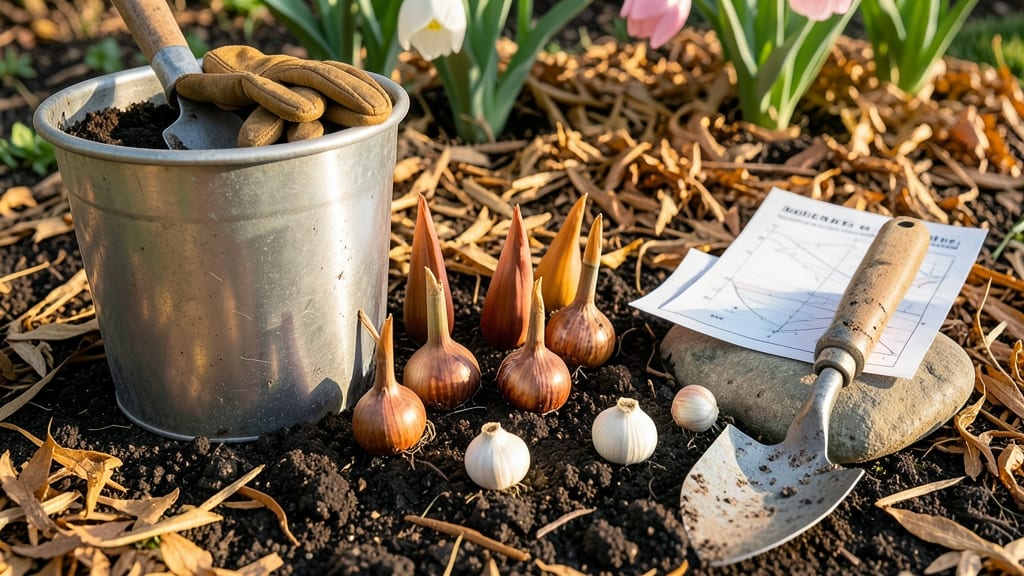
Timing your fall bulb planting just right is the secret to waking up next spring to a garden bursting with color. Miss the window, and you might end up with weak stems or no blooms at all—so getting it perfect makes all the difference.
For most gardeners in USDA Zone 6a, the ideal time is 6-8 weeks before the first frost, typically between late September and early November.
This gives your 🌱 bulbs enough time to establish roots before the ground freezes, setting the stage for vibrant tulips, daffodils, and crocuses in spring.
But here’s the thing: planting too early or too late can backfire. If you plant when the soil is still warm, bulbs may sprout and get fried by a sudden frost. Too late, and they won’t have time to develop the roots they need to survive winter.
I’ll show you exactly how to nail the timing—plus, how to adjust for your specific climate.
Ready to turn your garden into a springtime masterpiece? Let’s break down the perfect planting schedule, soil prep tips, and common mistakes to avoid so you can enjoy blooms that’ll make your neighbors jealous.
The 6-Week pre-frost rule: exact timing for fall bulb planting
Planting bulbs in the fall isn’t just about picking a random weekend—it’s about giving your tulips, daffodils, and hyacinths the perfect 6-8 weeks to establish roots before winter dormancy. This pre-frost window is critical because bulbs need time to develop strong root systems before the ground freezes.
Miss it, and you’ll end up with weak or no blooms next spring.
Your USDA hardiness zone is the first clue. In Zones 3-7, aim to plant 6 weeks before your first frost date—typically late September to early October.
Gardeners in Zones 8-10 with milder winters can extend planting into November or even December, but avoid planting too late when soil temperatures drop below 60°F (15°C).
Soil temperature matters more than air temperature. Use a soil thermometer to confirm the ground is below 60°F (15°C) but hasn’t frozen yet. If your area experiences early frosts, like Zone 4 or colder, start planting as early as mid-September.
In warmer zones, like Zone 9-10, you might still have time to plant through November.
| USDA Zone | Ideal Planting Window | Soil Temp Goal | Key Bulbs |
|---|---|---|---|
| Zones 3-5 | Mid-September to early October | Below 60°F (15°C) | Tulips, Daffodils, Hyacinths |
| Zones 6-7 | Late September to mid-October | Below 60°F (15°C) | Crocus, Allium, Snowdrops |
| Zones 8-10 | October to December | Below 65°F (18°C) | Dahlias, Ranunculus, Freesias |
Don’t let the myth of "earlier is always better" fool you. Planting too early—like in August—can trigger premature root growth, leaving bulbs vulnerable to rot or pests before winter.
The key is to wait until the soil cools but hasn’t frozen, ensuring bulbs focus energy on root development rather than foliage.
Check your local first frost date using resources like the Old Farmer’s Almanac or your USDA zone map. Then, count backward 6 weeks to pinpoint your planting window.
For example, if your first frost is November 15, aim to plant by October 1. Pro tip: Mark your calendar and set reminders—fall planting seasons are short!
If you’re unsure about your soil’s readiness, perform the finger test: Push your finger into the soil. If it feels cool but isn’t frozen, it’s time to plant.
Avoid working with soggy or waterlogged soil, as this can suffocate bulbs and stunt root growth. Well-draining soil is a must for fall-planted bulbs.
Once you’ve nailed the timing, focus on planting depth and spacing. Most bulbs should go in 2-3 times deeper than their diameter—typically 6-8 inches deep for large bulbs like tulips and 3-4 inches for smaller ones like crocus.
Space them 4-6 inches apart to allow room for root expansion and reduce competition.
After planting, add a 2-3 inch layer of mulch (like straw or shredded leaves) to insulate bulbs from temperature swings and retain moisture. This is especially important in Zone 3-5, where winters are harsh. Just avoid piling mulch directly against bulb stems to prevent rot.
With the right timing, your fall-planted bulbs will reward you with vibrant spring blooms—and the satisfaction of knowing you followed the 6-week pre-frost rule to perfection. 🌱
The 6-Week pre-frost rule: exact timing for fall bulb planting
Fall bulb planting isn’t just about throwing bulbs into the ground before winter—it’s about giving them 6-8 weeks to establish roots before the ground freezes. This pre-frost window ensures bulbs like tulips and daffodils grow strong roots, so they bloom beautifully next spring.
Miss this window, and you risk weak growth or no flowers at all.
Your USDA hardiness zone and local first frost date determine the perfect planting time. For example, gardeners in Zone 5 should plant by mid-October, while those in Zone 8 can wait until late November. Always check your local frost dates—don’t guess!
Soil temperature is just as critical as frost dates. Bulbs need 60°F soil to start rooting, which typically happens when daytime temps drop to 70°F. Use a soil thermometer to confirm—planting too early in warm soil can cause premature sprouting, while waiting too long risks frozen roots.
| USDA Zone | Ideal Planting Month | Soil Temp Goal | Frost Buffer |
|---|---|---|---|
| Zones 3-4 | September (early) | 60-65°F | 8 weeks before frost |
| Zones 5-6 | October (mid) | 55-60°F | 6-7 weeks before frost |
| Zones 7-8 | November (late) | 50-55°F | 4-5 weeks before frost |
| Zones 9-10 | December (early) | 45-50°F | 2-3 weeks before frost |
Pro tip: If your soil is still warm when frost looms, delay planting and store bulbs in a cool, dark place (like a garage) until conditions improve.
This prevents premature sprouting, which weakens bulbs before winter. For example, in Zone 7, I’ve held off planting until late October to avoid early warmth.
Once planted, bulbs need consistent moisture but no standing water. After planting, water deeply to settle soil around roots, then mulch with 2-3 inches of straw to insulate bulbs through winter. This protects them from freeze-thaw cycles that can damage roots.
Remember, bulbs planted too late may still bloom, but they’ll be smaller and weaker. Aim for that 6-week buffer—it’s the secret to next spring’s showstopper flowers! Check your local agricultural extension office for precise frost dates if you’re unsure.