
Plants
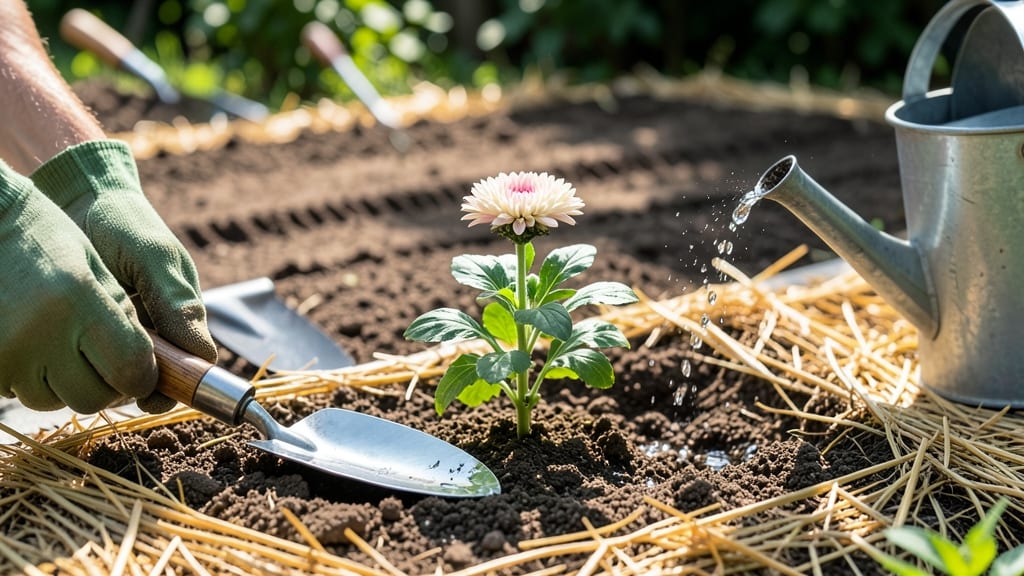
Planting your 🌼 chrysanthemums at the right time in fall isn't just about timing—it's about unlocking their full potential for vibrant blooms next season. The key difference between a thriving garden and a missed opportunity often comes down to those 6 weeks before frost when roots need time to establish.
If you're in USDA Zone 6a (like many gardeners), that means getting them in the ground by mid-October—just in time for fall's crisp air. But here's the catch: planting too early or too late can leave your chrysanthemums struggling, especially if winter arrives unexpectedly.
I've learned the hard way that proper timing isn't just about dates—it's about understanding how your local climate affects these hardy plants. Whether you're working with spring-blooming varieties or fall favorites, the right preparation makes all the difference in survival and beauty.
In this guide, I'll walk you through exactly how to calculate your planting window, prepare your soil, and choose the right chrysanthemum types for your region. Let's make sure your garden gets the stunning display it deserves next year.
The exact 6-Week pre-frost planting window for fall chrysanthemums
Fall-planted chrysanthemums (🌼) reward patience with vibrant blooms that brighten your garden through winter. The 6-8 week pre-frost rule ensures roots establish before cold sets in.
For USDA Zone 6a (like much of the Midwest), this means planting between September 15 and October 15—but your exact window depends on your local frost date.
Check your average first frost date (find it via the USDA Plant Hardiness Zone Map) and count backward. For example, if frost hits November 1, plant by September 15.
In warmer zones (7-9), extend planting until November 15—chrysanthemums tolerate light frost but need 4-6 weeks of root growth before winter.
Regional climate matters too. In cooler northern zones (3-5), plant earlier (August 15-September 15) to avoid winter kill. Southern gardeners can push to late October, but avoid planting less than 6 weeks before frost—roots won’t harden enough.
Pro tip: Use container-grown plants (not bare-root) for fall planting—they establish faster. Look for healthy, bushy plants with unopened buds (not already blooming). These varieties thrive in fall: 'Autumn Joy', 'Mammoth', and 'Bright Golden Anne'.
Here's the summary table for your exact planting window by USDA zone:| USDA Zone | First Frost Date | Planting Window | Notes |
|---|---|---|---|
| 3-5 (Cold) | Oct 1 - Oct 15 | Aug 15 - Sep 15 | Plant early; mulch heavily |
| 6a-6b (Midwest) | Oct 15 - Nov 1 | Sep 15 - Oct 15 | Ideal for fall blooms |
| 7-8 (South) | Nov 15 - Dec 1 | Sep 1 - Nov 15 | Extend to late fall |
| 9-10 (Coastal) | Dec 15 - Jan 1 | Oct 1 - Dec 1 | Plant until hard frost |
Your local microclimate can shift this window by 2-3 weeks. For example, mountainous areas frost earlier than valleys. Test your soil’s drainage before planting—chrysanthemums hate soggy roots. Amend heavy clay with compost or sand to improve aeration.
Once planted, water deeply (1-2 inches per week) for the first 2-3 weeks to encourage root spread. Avoid fertilizing after mid-September—new growth won’t harden before frost. Instead, top with 2-3 inches of mulch to insulate roots.
Fall-planted chrysanthemums often bloom earlier the next spring because their roots establish over winter. For reblooming varieties, pinch back stems in early summer to encourage bushier growth. This trick works best for 'Bonanza' or 'Dynasity' series.
🌼 Key takeaway: Plant chrysanthemums 6-8 weeks before frost, adjust for your zone, and prioritize root health over early blooms. Patience now means vibrant flowers next season!
The exact 6-Week pre-frost planting window for fall chrysanthemums
Fall-planted chrysanthemums need 6-8 weeks before your first frost to establish roots and prepare for winter. In USDA Zone 6a, this means planting between mid-September and early October—but your exact window depends on your local climate.
For example, gardeners in Zone 7b can plant until late October, while those in Zone 5a should aim for late August to early September.
Use your average first frost date as your starting point. Check the National Weather Service or local gardening extensions for precise frost dates. Pro tip: Add a 10-day buffer to account for unexpected cold snaps, especially in cooler microclimates like mountain valleys or coastal areas where frost arrives earlier.
| USDA Zone | Planting Window | Notes |
|---|---|---|
| 5a (-20°F to -15°F) | Late August - Early September | Early frost risk; prioritize hardy cultivars. |
| 6a (-10°F to -5°F) | Mid-September - Early October | Ideal for most gardeners; align with fall blooms. |
| 7b (5°F to 10°F) | Late September - Mid-October | Extended growing season; monitor soil temps. |
| 8a (10°F to 15°F) | October - Early November | Mild winters; focus on reblooming varieties. |
Regional climate variations matter! Coastal areas often have warmer microclimates with delayed frosts, while inland regions may experience earlier cold snaps. For instance, Pacific Northwest gardeners can plant until late October, while Midwest gardeners should finish by mid-September.
Always adjust your planting timeline based on soil temperature—roots need 50°F+ to establish.
If you’re unsure about your frost date, use the 50/50 rule: Plant chrysanthemums when you’ve had 50% chance of frost for three consecutive nights. This ensures your plants have enough time to harden off and develop cold-resistant roots.
For example, in Zone 6a, this typically aligns with mid-September.
Don’t rush! Planting too early (before August) can lead to overgrowth and weak stems, while planting too late (after October) risks frost damage before roots establish.
Aim for 6-8 weeks pre-frost—this gives chrysanthemums just enough time to settle in and bloom beautifully before winter sets in.
For reblooming varieties, like ‘Bonanza’ or ‘Dynasity’, fall planting ensures spring blooms the following year. Meanwhile, fall-blooming types, such as ‘Mammoth’ or ‘Bright Golden Anne’, thrive when planted in late summer to early fall for September-October color.
Choose your cultivar based on your bloom goals and local climate.
Pro tip: Mark your planting deadline on a garden calendar and set reminders. If you miss the window, consider container growing—chrysanthemums in pots can be moved indoors before frost or planted in spring instead. Just remember, fall planting = bigger blooms and hardier plants!