
Plants
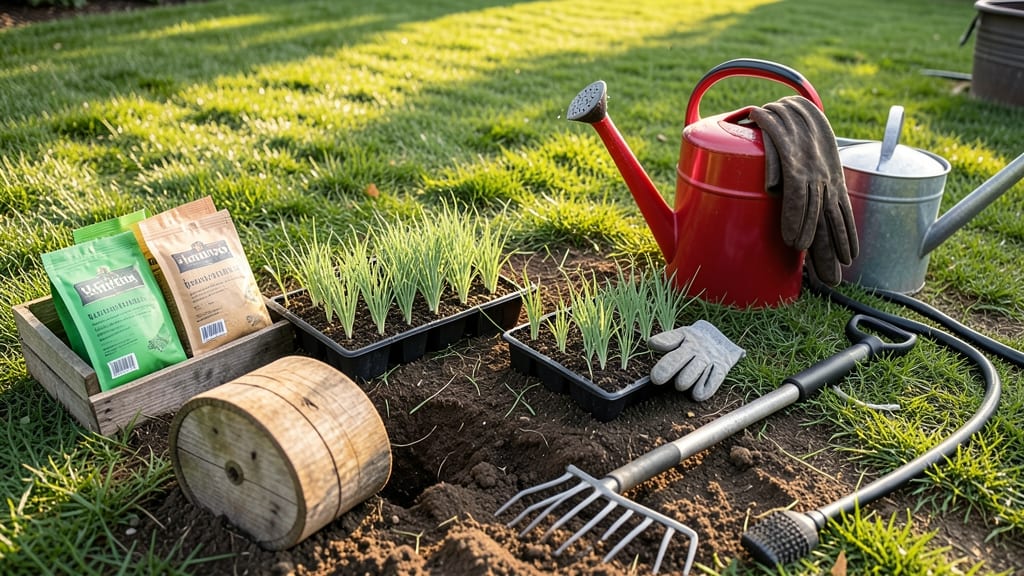
Planting grass in the fall at the wrong time can mean the difference between a vibrant lawn next spring and a frustrating, patchy yard. The key to success? Timing it perfectly—4 to 6 weeks before the first frost—so your cool-season grass 🌱 has time to establish deep roots before winter slows everything down.
If you’ve ever wondered why some lawns thrive while others struggle, it’s often because of this simple rule. Fall planting gives grass a head start on growth, allowing it to take advantage of cooler temperatures and consistent moisture before the ground freezes.
But getting it wrong—planting too early or too late—can lead to wasted seed, poor germination, or even frost damage.
In this guide, I’ll break down the exact window for planting in your region, how to prepare your soil, and which grass varieties perform best in fall.
Whether you’re in Zone 6a or another climate, you’ll learn how to set your lawn up for success—so you can enjoy that lush, green carpet come spring.
Ready to skip the guesswork? Let’s dive into the 6-week pre-frost rule and the steps that will transform your yard from bare soil to a thriving landscape.
The 6-Week pre-frost rule: optimal fall planting timeline by region
Timing your grass planting is everything—fall offers the perfect balance of cool temperatures and moisture for seed germination. The 6-week pre-frost rule ensures grass roots establish before winter dormancy. For example, in USDA Zone 5, aim for mid-September planting, while Zone 7 gardeners can wait until early November.
This window varies by region, but the goal is always the same: deep root growth before frost hits.
Cool-season grasses like Kentucky bluegrass, tall fescue, and ryegrass thrive when planted in fall. These varieties need 4-6 weeks of warm soil (50-65°F) to germinate properly. If you plant too early, heat stress can kill seedlings; too late, and frost will stunt growth.
The key is aligning your planting date with your local frost date—check your USDA Zone for precision.
Here’s how to calculate your ideal window: Subtract 6 weeks from your first frost date. For instance, if frost arrives November 15, plant by October 1.
Use this rule as your guide, but also monitor soil temperatures—they should stay above 50°F for at least 4 weeks post-planting. A soil thermometer is your best tool for accuracy.
| USDA Zone | First Frost Date | Ideal Planting Window | Soil Temp Goal |
|---|---|---|---|
| Zone 3-4 | October 1-15 | August 15-September 15 | 50-60°F |
| Zone 5-6 | October 15-November 1 | September 1-October 15 | 55-65°F |
| Zone 7-8 | November 15-December 1 | October 1-November 15 | 60-70°F |
| Zone 9-10 | December 15-January 1 | November 1-December 15 | 65-75°F |
Northern regions (Zones 3-4) should plant earlier to avoid short growing seasons, while southern zones (7-10) can extend planting into late November. For example, in Zone 6, late September is ideal, but in Zone 8, you might still plant in early November.
Always verify your local frost date—microclimates can shift planting windows by 2-3 weeks.
If you’re unsure about your zone, use the USDA Plant Hardiness Zone Map to find your exact location. Enter your ZIP code for a precise match. Remember, cool-season grasses need consistent moisture during establishment, so plan your watering schedule around your planting date.
Aim for 1 inch of water per week until roots are 3-4 inches deep.
Early fall planting (August-September) is best for northern climates, while late fall (October-November) works for southern regions.
For instance, tall fescue germinates faster in warmer soil, so plant it in September in cooler zones. Ryegrass, however, tolerates cooler temperatures, making it ideal for late fall sowing in Zone 7+.
Pro tip: Use a seed starter fertilizer with high phosphorus (10-0-10 ratio) at planting to boost root growth. Apply it lightly over the seedbed—never mix it directly with seed, as it can burn tender sprouts.
Water gently to settle the soil and keep moisture levels steady. A light mulch (straw or peat moss) helps retain soil warmth and moisture.
Regional adjustments matter—if you’re in a high-altitude area, frost arrives earlier, so plant 2 weeks sooner than the general rule. Coastal areas may have milder winters, extending your planting window.
Always monitor weather forecasts for unexpected cold snaps. A 6-week buffer ensures your grass has time to establish before winter dormancy.
Once planted, maintain consistent watering for 4-6 weeks to encourage deep root growth. Reduce watering slightly as temperatures drop, but avoid letting the soil dry out completely.
In drought-prone areas, consider drip irrigation to deliver water directly to roots. By following this timeline, your lawn will emerge thicker and greener next spring.
Don’t wait until the last minute—seed availability varies by season, and late-season shipments may be limited. Order your grass seed and soil amendments early
The 6-Week pre-frost rule: optimal fall planting timeline by region
Timing your grass planting to the 6-week pre-frost window is the golden rule for cool-season grasses like Kentucky bluegrass and tall fescue. This window ensures roots establish before winter dormancy, giving you a head start next spring. But how do you calculate it for your region?
Start by checking your USDA hardiness zone. Zones 3-7 typically have the best fall planting conditions, while zones 8+ may require earlier planting due to milder winters. For example, in Zone 5, aim for late August to early October, while Zone 8 gardeners should plant by mid-September.
| USDA Zone | Best Planting Window | Key Grass Varieties | Frost Risk |
|---|---|---|---|
| 3-4 | Mid-August to early October | Fine fescue, ryegrass | High (early frost) |
| 5-6 | Late August to mid-October | Kentucky bluegrass, tall fescue | Moderate |
| 7-8 | September to early November | Bermuda grass (warm-season), perennial ryegrass | Low (mild winters) |
For accurate timing, use your average first frost date as your deadline. Subtract 6 weeks from that date to find your planting window. For example, if frost hits November 15, plant by October 1. Pro tip: Use a soil thermometer—ideal soil temps for germination are 60-75°F.
Early fall planting (August-September) works best in hotter climates (Zones 8+), while cooler zones (3-6) benefit from later planting (September-October). The key is avoiding heat stress in seedlings while ensuring root establishment before dormancy.
If you miss the window, don’t panic! Perennial ryegrass can handle late planting (up to 4 weeks before frost), but expect slower spring recovery. Always test your soil’s pH (6.0-7.0 ideal) and amend with compost or phosphorus-rich fertilizer before planting.
Remember: Fall planting = spring reward. With the right timing, your grass will outperform spring-planted lawns by 30-50% in density and resilience—worth the extra planning!