
Plants
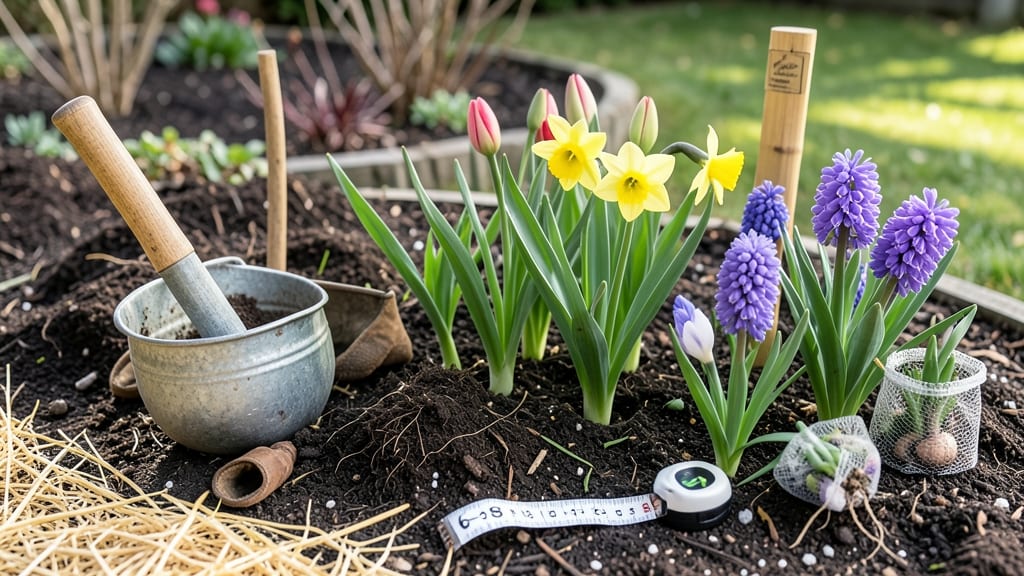
Timing your bulbs planting in Kansas isn’t just about luck—it’s the difference between a garden bursting with color next spring and a wasted investment. Whether you’re dreaming of tulips or daffodils, getting the window right means avoiding frost damage or weak root growth before winter sets in.
In Kansas’ 5b-7a zones, the ideal window stretches from September through November for fall planting, or March to April if you prefer spring. But here’s the catch: plant too early, and your bulbs might sprout before the ground freezes.
Too late, and they won’t establish strong roots before winter. I’ll break down exactly when to dig in—plus soil prep tips and frost-free tricks—to ensure your 🌱 beauties thrive.
Let’s tackle the most common mistakes first. Many gardeners assume “fall planting” means dumping bulbs in the ground anytime after Labor Day, but Kansas’ variable climate demands precision. The key? Planting 6-8 weeks before the first frost—usually by mid-October—so roots have time to anchor before the cold hits.
Ready to transform your garden? You’ll learn how to adjust for your specific Kansas zone, which bulbs handle our winters best, and even how to spot signs you’ve planted at the wrong time.
By the end, you’ll know exactly when to plant for zero-frost success—and a spring full of blooms.
Kansas planting zones: when to plant bulbs by hardiness zone (5b-7a)
Kansas spans USDA hardiness zones 5b through 7a, meaning frost dates vary dramatically between regions. In zone 5b (northern Kansas), the first frost typically arrives by October 15, while zone 7a (southern Kansas) may see frost as late as November 15.
This variation directly impacts your bulb planting window—plant too early in colder zones, and frost will damage tender roots; too late, and bulbs won’t establish before winter.
For spring-blooming bulbs like tulips and daffodils, the golden rule is to plant 6-8 weeks before the ground freezes.
In Kansas, this usually means mid-September to mid-October in northern areas and late October to early November in the south. Fall-planted bulbs need time to grow roots before winter dormancy, so don’t wait until November!
Soil temperature is your best guide. Aim to plant when soil temps drop to below 60°F (15°C) but haven’t yet hit freezing. Use a soil thermometer to check—most Kansas gardeners hit this window in late September.
If you miss fall planting, you can still plant in early spring (March-April), but blooms may be delayed or less vigorous.
Key regional differences: Eastern Kansas (zone 6a) aligns closely with the state average, while western Kansas (zone 5b) has earlier frosts. Always check your local Almanac frost dates or use the Kansas State University Extension planting calendar for precision. For example, Wichita (zone 7a) may safely plant until November 10, while Hays (zone 5b) should finish by October 15.
⚠️ Warning: Planting bulbs too late in fall risks premature sprouting—tender shoots can’t survive winter frost. Conversely, planting too early in zone 5b may lead to rot if soil stays warm too long. Balance is critical!
Here’s how to adjust for your specific zone using Kansas’s microclimates. For instance, Topeka (zone 6a) gardeners often plant in early October, while Garden City (zone 5b) should aim for mid-September. Use these guidelines as a starting point, then fine-tune based on your yard’s exposure and microclimate.
Now, let’s break down the ideal planting windows for each Kansas zone, including soil prep tips and frost-free timing for tulips, daffodils, hyacinths, and crocuses.
| USDA Zone | First Frost Date | Ideal Planting Window | Soil Temp Threshold | Notes |
|---|---|---|---|---|
| 5b (Northern KS) | October 15 | Mid-September to October 15 | Below 60°F (15°C) | Plant tulips earliest; daffodils tolerate later planting. |
| 6a (Central KS) | October 25 | Late September to October 25 | Below 60°F (15°C) | Best for hyacinths and alliums; avoid November planting. |
| 7a (Southern KS) | November 15 | Late October to November 10 | Below 60°F (15°C) | Extend window for crocuses; mulch heavily after planting. |
🌱 Pro Tip: Use a soil thermometer to confirm readiness—plant when temps consistently stay below 60°F.
For spring planting (March-April), focus on hardy bulbs like daffodils and crocuses, which tolerate cooler soils. However, blooms may arrive 4-6 weeks later than fall-planted bulbs. If you’re in zone 5b, prioritize fall planting—spring options are limited due to shorter growing seasons.
Remember: Bulbs need 4-6 weeks of root growth before winter. In Kansas, this means planting no later than mid-October in the north and early November in the south. Miss the window? Don’t stress—spring planting still works for cold-hardy varieties like daffodils, but expect fewer blooms.
Next, we’ll dive into a month-by-month guide for Kansas bulb planting, including soil prep tips and regional adjustments for eastern
Best fall planting months for Kansas bulbs: a month-by-month guide
Kansas’ fall planting window for bulbs is short but sweet—typically September through November, with regional tweaks. Eastern Kansas (zones 6a-7a) can plant slightly later than western areas (zones 5b-6b) due to milder winters.
My rule of thumb? Aim to finish planting 6-8 weeks before the first frost, which usually lands in mid-October for most of the state.
Let’s break it down month by month. September is your best bet for early starters—soil is still warm, and bulbs get a head start on root growth before winter. In October, act fast: the earlier in the month, the better.
By late October, you risk planting too late, especially in western Kansas where frosts arrive sooner. November is a gamble unless you’re in southern Kansas (zone 7a), where mild winters allow for later planting.
Here’s the golden rule: Soil temperature should be below 60°F (15°C) but not yet frozen. Use a soil thermometer to check—if it’s dropping fast, prioritize planting.
Another pro tip? Adjust for bulb type: Daffodils and alliums handle late planting better than tulips, which need that early window to root deeply.
Watch for these warning signs you’ve planted too late: bulbs sprouting before the ground freezes or soil that’s already too cold (below 40°F/4°C). In these cases, hold off until spring or next fall.
For spring planting (March-April), wait until the soil thaws but act before shoots emerge—usually by mid-April in most of Kansas.
Pro tip: Mark your calendar for the average first frost date in your area (check the Kansas State University Extension for local data). Planting 6-8 weeks before this date gives bulbs the best shot at root establishment.
And remember—well-draining soil is non-negotiable. If your garden holds water, amend with sand or perlite to avoid bulb rot.
With these month-by-month guidelines, you’ll nail the perfect planting window for zero-frost success. Next up, we’ll dive into the top 5 bulbs that thrive in Kansas—and how to plant them for maximum blooms. 🌷