
Plants
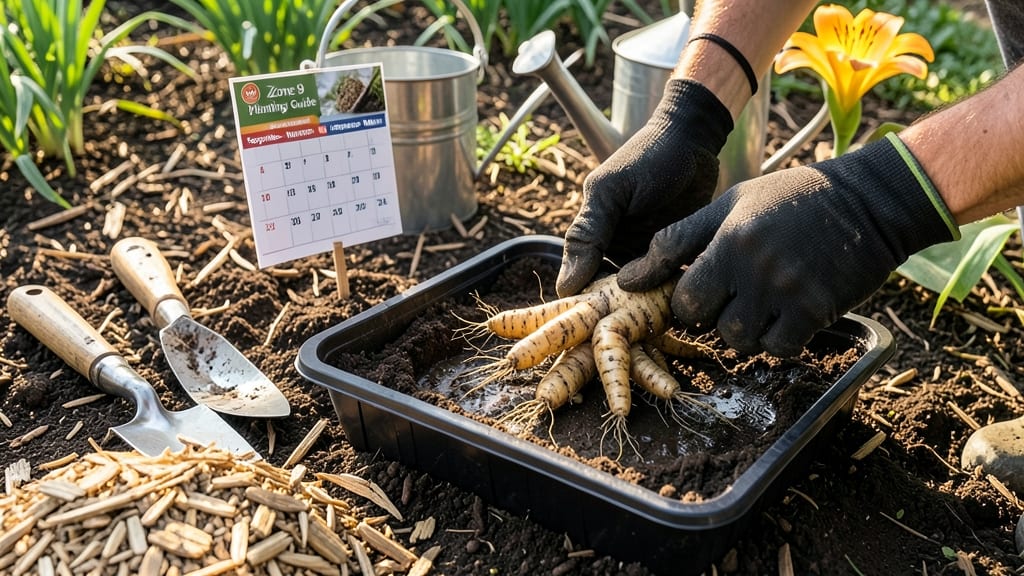
Timing when to plant daylily bulbs in Zone 9 can make the difference between vibrant blooms and struggling plants. Unlike traditional bulbs, daylilies grow from rhizomes, and getting them in the ground at the right moment ensures they thrive in your warm climate.
Most gardeners in Zone 9 swear by planting in fall—specifically between October and November—when soil temperatures drop just enough to prevent rot while still allowing roots to establish before summer’s heat.
But there’s another window: early spring, from February to March, when the ground warms but hasn’t yet dried out completely.
Why does this matter? Planting too early in Zone 9 risks soggy soil and fungal issues, while waiting too late can leave your daylilies struggling to root before the dry season kicks in.
I’ll break down the exact cues to watch for—so you can plant with confidence and enjoy those stunning blooms from spring to summer.
Ready to transform your garden? Let’s dive into the ideal planting schedule and care tips tailored just for your climate, so your daylilies flourish year after year.

Best months to plant daylily bulbs in Zone 9 for maximum blooms
First, let’s clear up a common misconception: daylilies grow from rhizomes, not bulbs! These hardy perennials thrive in Zone 9’s warm climate, but timing matters to avoid heat stress or poor root establishment.
The ideal planting window is either early fall (October–November) or late winter (February–March), when soil temperatures hover between 60–70°F—perfect for root growth without summer’s intensity.
Planting in fall gives rhizomes time to establish roots before summer’s heat, while spring planting avoids winter dormancy issues. Zone 9’s 300+ frost-free days mean we skip the traditional "after last frost" rule—focus instead on soil temperature and rainfall patterns.
For example, October offers cooler soil and consistent moisture, while March lets you beat the peak summer heat.
Key tip: Avoid planting in summer (June–August) when soil can exceed 85°F, causing rhizomes to rot. Even September can be risky if temperatures stay high. Use a soil thermometer to confirm ideal conditions—aim for 60–70°F at 4-inch depth.
Zone 9’s microclimates play a huge role. In coastal areas (e.g., San Diego), October–November planting works best due to milder temperatures. Inland or desert areas (e.g., Phoenix) lean toward February–March to escape the brutal summer.
Even a 5°F difference in soil temp can mean the difference between thriving and struggling rhizomes.
Pro tip: If you’re in a hot inland zone, plant in shade cloth-covered beds during summer to lower soil temps. Use organic mulch (straw or wood chips) to insulate roots and retain moisture. This mimics the natural fall planting conditions even in summer.
For container gardening, timing shifts slightly. Plant rhizomes in pots by late February to move them outdoors after last frost risk (though Zone 9 rarely sees frost).
Keep containers in partial shade until roots establish, then transition to full sun. Containers dry out faster, so monitor soil moisture closely—daylilies hate soggy roots!
Watch for local rainfall patterns. In dry zones, plant when monsoon season begins (July) to leverage natural watering. In humid coastal areas, avoid planting during heavy rain months (Dec–Jan) to prevent waterlogged soil. A well-draining mix (50% garden soil, 30% compost, 20% perlite) is non-negotiable.
Finally, rhizome size matters. Larger rhizomes (3+ inches) establish faster—plant these in late winter for a head start. Smaller rhizomes (1–2 inches) can wait until early fall when soil cools. Always plant with the top slightly exposed (never buried) to prevent rot.
Zone 9’s long growing season means daylilies can bloom year-round with proper timing. By planting in fall or late winter, you’ll enjoy vibrant flowers from spring through summer, with minimal care once established. Just remember: soil temp > calendar date for foolproof success!
Best months to plant daylily bulbs in Zone 9 for maximum blooms
First, let me clarify—daylilies grow from rhizomes, not bulbs! These hardy perennials thrive in Zone 9 with the right timing. The ideal planting window spans two seasons: early fall (October-November) and late winter (February-March).
Fall planting gives rhizomes time to establish roots before summer heat, while spring planting avoids winter dormancy risks.
Zone 9’s 300+ frost-free days mean we focus on soil temperature over frost dates. Aim for 60-70°F soil temps—too warm, and rhizomes rot; too cool, and growth stalls. Use a soil thermometer to check before planting. Microclimates matter too: coastal areas stay cooler longer than inland desert zones.
🌱 Planting Window Comparison
| Season | Best Months | Soil Temp | Pros | Cons |
|---|---|---|---|---|
| Fall | October-November | 60-70°F | Establishes roots before summer heat | Limited bloom first year |
| Spring | February-March | 65-75°F | Faster first-year blooms | Risk of summer drought stress |
For fall planting, I recommend late October in coastal areas (like San Diego) and early November inland (like Phoenix). This gives rhizomes 6-8 weeks to root before summer’s intensity. Spring planting works best in February—after the coldest months—when soil warms to 65°F+.
Avoid planting in April or later, as summer’s heat arrives quickly.
Pro tip: If you miss these windows, September or January can work in cooler microclimates. Just monitor soil moisture closely—Zone 9’s dry spells can stress newly planted rhizomes. I’ve had success with shade cloth during the first 30 days post-planting to reduce transplant shock.
One common mistake? Planting daylily rhizomes too deep. They need 1-2 inches of soil coverage, not the 3+ inches some guides suggest. Over-deep planting causes rot in Zone 9’s warm, moist winters. Spacing matters too: Give each rhizome 12-24 inches of space—they’ll spread over time!
Remember, daylilies are perennials, so proper planting pays off for years. With the right timing, you’ll see vibrant blooms by spring—and minimal maintenance after that. Happy planting! 🌸