
Plants
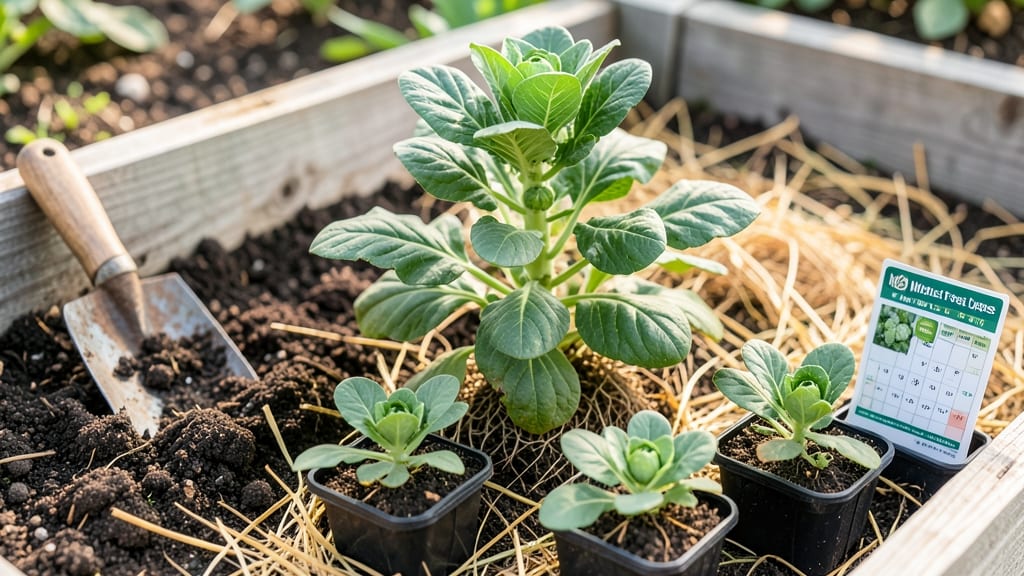
If you're a Missouri gardener dreaming of a bountiful 🥦 harvest, timing your Brussels sprouts planting is the most important step—get it wrong, and you'll either lose your crop to frost or watch it bolt in summer heat.
With Missouri's 5b-6b climate, you've got two prime windows: spring (mid-April to early June) or fall (early August to mid-September). But here's the catch—planting too early risks frost damage, while waiting too long means your sprouts won't mature before winter sets in.
I'll break down the exact frost dates for your region, show you how to calculate your 100-day planting window, and share pro tips for soil prep that'll give your Brussels sprouts the perfect head start.
Whether you're a first-time gardener or a seasoned grower, these strategies will help you avoid common mistakes and end up with tender, flavorful sprouts from October through December.
Missouri frost dates and ideal planting windows for Brussels sprouts
Missouri’s USDA zones 5b-6b create a unique challenge for growing Brussels sprouts—cool nights and hot afternoons demand precise timing. The key is planting 8-10 weeks before your first fall frost (typically early August to mid-September) to ensure mature plants before cold sets in.
For spring planting, aim for mid-April to early June, but be prepared to protect seedlings from late frosts.
Brussels sprouts thrive in cool weather (50-75°F) and struggle when temperatures exceed 80°F. Missouri’s average first frost date varies by region—November 1 in northern areas (like St. Louis) and mid-October in southern regions (like Springfield).
Count backward 90-120 days from your local frost date to determine your planting window.
Missouri’s two planting windows work best: spring (April-May) for an early summer harvest or fall (August-September) for a winter crop. Fall planting is riskier due to unpredictable weather, but it often yields sweeter, higher-quality sprouts because the cool fall air enhances flavor.
Spring plantings may bolt in summer heat, so choose heat-tolerant varieties like 'Long Island Improved' or 'Jade Cross.'
Here’s the critical timing breakdown for Missouri gardeners:
| Planting Window | Missouri Regions | Key Considerations |
|---|---|---|
| Spring Planting | Mid-April to early June | Start seeds indoors 6-8 weeks before last frost (early March). Transplant after soil reaches 45°F. |
| Fall Planting | Early August to mid-September | Direct sow or transplant 8-10 weeks before first frost. Use row covers if nights dip below 40°F. |
| Northern MO (St. Louis) | April 15–June 1 (spring) / Aug 1–Sept 15 (fall) | First frost: Nov 1. Prioritize fall planting for sweeter sprouts. |
| Southern MO (Springfield) | April 1–May 31 (spring) / July 15–Aug 31 (fall) | First frost: Oct 15. Fall planting ends earlier due to heat. |
| Rural Areas | Adjust ±7 days based on microclimates | Use local frost data (e.g., Missouri Climate Center) for precision. |
Missouri’s variable weather means flexibility is key. If you miss the ideal window, consider succession planting—sow seeds every 2-3 weeks in spring or 3-4 weeks in fall to stagger harvests.
For example, plant a first batch in early August and a second in mid-September to extend your harvest through December.
Another Missouri-specific tip: Elevate soil temperature in early spring by using black plastic mulch or cold frames to speed up germination. Brussels sprouts seeds germinate slowly in cool soil7-10 days to your growing season.
Conversely, in fall, mulch heavily with straw to insulate roots from freeze-thaw cycles that can damage plants.
Protecting your crop from late-season pests like cabbage worms is easier when you plant at the right time. Fall plantings often escape the worst of these pests, giving you a cleaner harvest.
If you’re planting in late spring, use floating row covers to deter insects while allowing sunlight and water through.
For container gardening in Missouri, choose dwarf varieties like 'Catbird' and plant in 5-gallon pots with well-draining soil. Containers warm up faster in spring, so start them 2 weeks earlier than in-ground plantings. Place pots in south-facing locations to maximize sunlight, especially in shadier Missouri backyards.
Remember: Missouri’s humidity can lead to fungal diseases like downy mildew if plants are crowded. Space seedlings 18-24 inches apart and avoid overhead watering. A 3-inch layer of mulch around plants keeps soil moist and reduces splash from rain, cutting disease risk by 50%. 🥦
Missouri frost dates and ideal planting windows for Brussels sprouts
Missouri’s USDA hardiness zones 5b-6b mean your Brussels sprouts planting window hinges on frost dates and heat tolerance.
The Show-Me State typically sees its last spring frost around April 15 and first fall frost around November 1, but these dates shift slightly by region—St. Louis may warm up a week earlier than Kansas City.
Brussels sprouts thrive in cool weather (50-75°F), so your goal is to plant seedlings 8-10 weeks before the first frost or direct-sow seeds 100-120 days before frost. This translates to two planting windows: mid-April to early June for spring crops and early August to mid-September for fall harvests.
For St. Louis (Zone 6a), aim for April 20–May 15 for spring planting and August 10–September 10 for fall. In Kansas City (Zone 5b), shift those windows 1-2 weeks later to avoid early-season frosts.
Rural areas with cooler microclimates (like the Ozarks) can plant up to 2 weeks earlier.
Missouri’s summer heat (above 85°F) stresses Brussels sprouts, so fall planting is ideal. If you plant in spring, use row covers to shield seedlings from late frosts and mulch heavily to retain moisture during dry spells. For fall crops, prioritize well-draining soil to prevent waterlogging before harvest.
Pro tip: Use companion plants like bush beans or lettuce to improve soil nitrogen and deter pests. These plants thrive in the same cool-season conditions and won’t compete for nutrients with your Brussels sprouts.
Missouri’s fall harvests often yield the sweetest sprouts, thanks to frost-sweetening. Time your planting so mature plants hit peak flavor just before hard frosts (28°F or below), which can actually enhance their taste—just harvest before the ground freezes solid.