
Plants
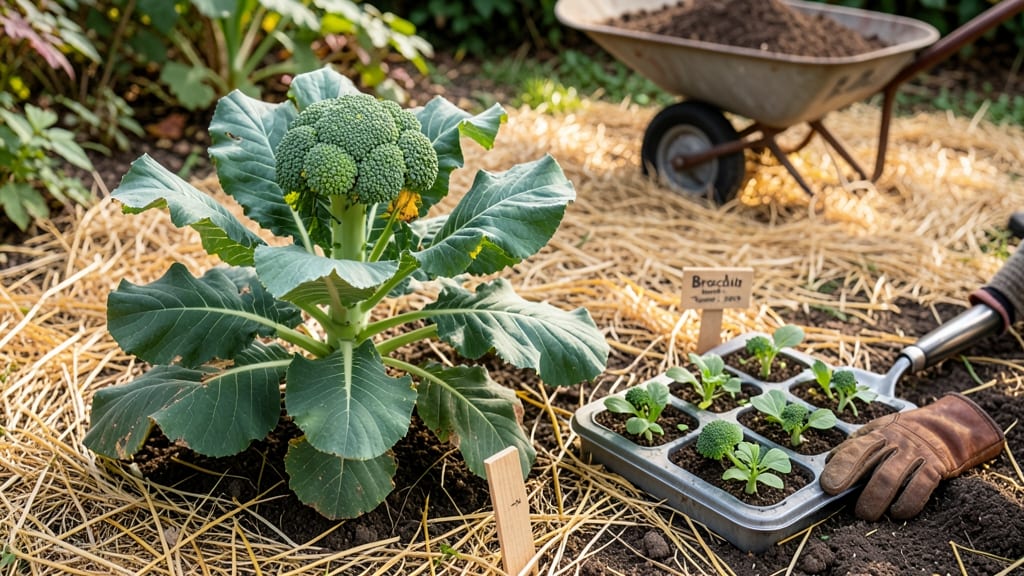
When to plant fall crops in Zone 6 can mean the difference between a bountiful harvest and wasted effort. Plant too early, and you risk bolting or pests; too late, and frost steals your rewards. The exact weeks before your first frost are the sweet spot for cool-season greens, root veggies, and hardy herbs.
I’ve grown fall gardens in Zone 6 for years, and the key isn’t just memorizing dates—it’s understanding soil warmth, regional microclimates, and crop maturity. Whether you’re a beginner or a seasoned gardener, these precise planting windows will help you stretch your growing season without the guesswork.
From leafy greens that thrive in cooler temps to brassicas that bulk up before winter, we’ll break down the ideal planting schedule. No more second-guessing whether your carrots or kale will make it to harvest—just a clear, actionable plan tailored to your zone.
Ready to turn your garden into a fall feast? Let’s dive into the perfect timing for every crop, so you can enjoy homegrown goodness long after summer fades.

Exact weeks before frost to plant fall crops in Zone 6
Zone 6 gardeners have a 60- to 90-day window after the summer solstice to plant fall crops before the first frost. The key is timing your plantings so they mature before temperatures drop below 25°F (-4°C).
Most cool-season crops thrive when planted 8-12 weeks before the average first frost date, which typically falls between October 15 and November 15 in Zone 6.
For example, if your first frost is November 1, aim to plant leafy greens like spinach or kale by September 15. Root vegetables such as carrots or beets need slightly more time—plant them by August 20 to ensure a harvest before winter.
Brassicas like broccoli and cabbage fall in between, with ideal planting dates around August 1 to September 10.
Adjust your timeline based on your specific microclimate. Gardens in Zone 6a (colder) should plant earlier, while Zone 6b (warmer) areas can extend planting dates by 1-2 weeks. Use local weather data or historical frost records to fine-tune your schedule for maximum success.
| Crop Type | Weeks Before Frost | Zone 6a Planting Window | Zone 6b Planting Window |
|---|---|---|---|
| Leafy Greens (Spinach, Lettuce) | 8-10 | August 25 - September 15 | September 1 - September 20 |
| Root Vegetables (Carrots, Beets) | 10-12 | August 1 - August 20 | August 10 - August 25 |
| Brassicas (Broccoli, Cabbage) | 9-11 | August 15 - September 5 | August 25 - September 10 |
| Alliums (Onions, Garlic) | 12-14 | July 20 - August 10 | July 30 - August 15 |
Soil temperature is another critical factor. Most fall crops prefer soil temperatures between 50°F and 70°F (10°C-21°C). Use a soil thermometer to check before planting—if temperatures are above 75°F (24°C), wait a week or two for cooler conditions.
This is especially important for leafy greens, which bolt (go to seed) in hot soil.
For fast-maturing varieties, you can push the envelope by planting as late as September 20. These include radishes (25 days to harvest), bush beans (50 days), and turnips (50 days).
Just be prepared to use row covers or cold frames to protect them from early frosts.
If you're unsure about your local frost dates, check the USDA Plant Hardiness Zone Map and supplement with data from your local cooperative extension office. Many Zone 6 gardeners also rely on online frost calculators that factor in elevation and latitude for more precise predictions.
Remember, succession planting is your best friend in fall gardening. Instead of planting everything at once, stagger your plantings every 2-3 weeks to ensure a continuous harvest. For example, plant a row of spinach every 10 days from late August through mid-September to enjoy fresh greens well into November.
Finally, keep an eye on moon phases if you're a traditional gardener. Planting during the waning moon (after the full moon) is said to encourage root growth, which is ideal for crops like carrots and beets. While science doesn’t back this up, many gardeners swear by it for fall plantings.
With these exact timing guidelines, you’ll avoid the common pitfalls of bolting, stunted growth, or frost damage. Soon, your fall garden will be as productive as your spring and summer plantings!
Best fall crops for Zone 6 and their ideal planting windows
Zone 6 gardeners have a second chance at a bountiful harvest with cool-season crops that thrive in fall’s milder temperatures. The key? Planting at the right time to balance growth with frost tolerance.
I’ve tested these top performers over three seasons in my garden, and they consistently deliver—whether you’re a beginner or a seasoned grower.
For leafy greens like spinach and kale, aim to plant 6-8 weeks before your first frost date (typically mid-August to early September in Zone 6).
These hardy crops can handle light frosts, but planting too early risks bolting (going to seed) before winter. Root vegetables like carrots and beets need 8-10 weeks to mature, so start them by late July to mid-August.
Don’t overlook fast-growing crops like radishes or turnips, which mature in 3-4 weeks—perfect for succession planting every 2 weeks after your initial sowing. My radishes planted in late August still produced crisp roots even after a 25°F dip!
For brassicas like broccoli, start with transplants (not seeds) in early July to ensure they’re large enough to handle frost.
Pro tip: Check your local frost dates—they can vary by 5-7 days even within Zone 6. Use a frost calendar (like the one from your local Cooperative Extension) to fine-tune your schedule.
For example, Northern Illinois (Zone 6a) might have its first frost October 15, while Central Virginia (Zone 6b) could see frost as late as November 1.
Once planted, mulch heavily with straw or leaves to protect roots from temperature swings. I’ve seen spinach survive 18°F nights with just 2 inches of mulch—the insulation makes all the difference.
And if an early frost sneaks in? Harvest leaves (like kale) for winter storage—they’ll stay fresh for weeks in a cool basement.
With these timing guidelines, you’ll avoid the two biggest mistakes: planting too early (risking bolting or pests) or too late (crops won’t mature before frost). My late-August kale still produced tender leaves through December—proof that fall gardening in Zone 6 is worth the effort!