
Plants
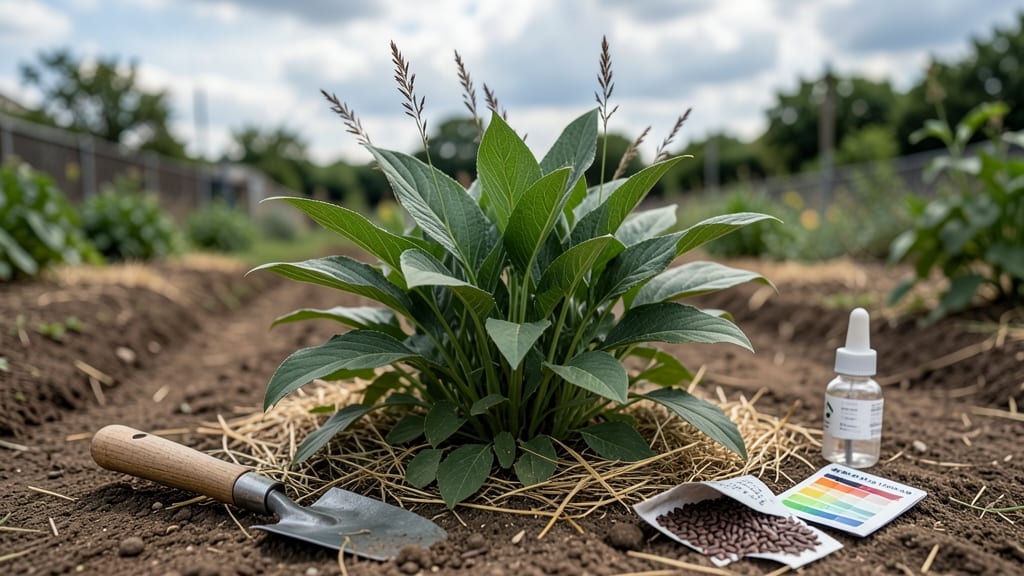
If you're a Mississippi dove hunter or wildlife enthusiast, timing your brown top millet 🌾 planting just right could mean the difference between a thriving dove buffet and wasted seeds.
The key to fast germination and continuous food for doves lies in those critical weeks before your last frost - and getting it wrong can leave your birds hungry while you watch your efforts fade.
Mississippi's climate gives you two perfect opportunities to plant this drought-tolerant grass: either in mid-April to early June for summer feed, or again in late August to early September for fall harvests.
These windows align perfectly with when soil temperatures hit that 60°F threshold that brown top millet craves to sprout quickly - and when doves are most active.
What makes this timing so important? Plant too early, and your seeds might rot in cold soil. Too late, and you miss the 75-day growth window needed for full seed production before Mississippi's first frost.
I'll show you exactly how to calculate your perfect planting dates based on your specific MS location, plus pro tips to extend your dove feed supply all season long.
Whether you're in the Delta or the hills of Mississippi, these strategies will help you create a reliable food source that keeps doves coming back - and your hunting trips more successful. Let's get your millet growing on the right schedule for maximum impact.
Mississippi’s ideal planting windows for brown top millet: exact weeks before last frost
Mississippi’s USDA Zone 7a-8b climate creates two perfect windows for planting brown top millet—spring and fall. For spring plantings, aim for 4-6 weeks after your last frost date, typically mid-April to early June.
This gives seeds time to germinate in 60°F+ soil, avoiding late frosts that can stunt growth.
Fall plantings offer a second chance for continuous dove feed. In Mississippi, late summer to early fall—late August to early September—lets brown top millet mature before first frost (usually mid-November). This strategy ensures your doves have fresh seeds through winter’s end.
Mississippi’s Delta region (warmer microclimate) may push spring plantings 2 weeks earlier, while northern hills (cooler) might delay until early May. Always check your local frost dates—they vary by 5-7 days across the state.
| Planting Window | Soil Temp | Mississippi Zone | Dove Feed Timeline |
|---|---|---|---|
| Mid-April to early June | 60°F+ | 7a-8b (all regions) | Late June–August harvest |
| Late August to early September | 65°F+ | 7a-8b (Delta earlier) | October–November harvest |
For fastest germination, wait until soil temperatures hit 60°F—use a soil thermometer to confirm. In Mississippi, this typically aligns with late April for northern areas and early April in the Delta. Planting too early risks cold soil, which slows sprouting by 30%.
Brown top millet thrives in full sun, so choose a south-facing plot with 6+ hours of direct light. In Mississippi’s humid summers, ensure well-draining soil to prevent fungal issues. Amend heavy clay soils with compost or sand to improve aeration.
Mississippi’s summer heat (often exceeding 90°F) can stress millet if planted too late. For fall plantings, aim to finish germination by mid-August—this gives seeds 8-10 weeks to mature before frost. Use shade cloth if planting in extreme heat to protect young seedlings.
Pro tip: Stagger plantings every 2 weeks in spring and fall to create a rolling harvest. This ensures doves always have fresh seeds, even if one batch fails due to pests or drought. For example, plant April 15, April 30, and May 15 for continuous feed through summer.
Mississippi’s drought-prone summers demand deep watering during seed development. Water deeply 2-3 times per week (1-2 inches per session) to encourage root growth. Avoid overhead watering at dusk, as wet foliage invites fungal diseases like mildew.
Remember: Brown top millet is a warm-season annual, meaning it won’t survive frost. If planted too late in fall, seeds may not mature before first frost (usually November 15 in MS). Use row covers in late fall to extend the growing season by 2-3 weeks.
By following these Mississippi-specific windows, you’ll provide your doves with a reliable, year-round seed source—no more scrambling for scraps when millet runs out. Happy planting! 🌾
How to extend dove feed with successive plantings: spacing and germination tricks
Mississippi’s hot summers mean your doves won’t wait for one harvest—successive plantings every 4-6 weeks keep their buffet table full. Staggered sowing ensures fresh brown top millet seeds when the last batch dries out, preventing gaps in their diet.
This trick works especially well in USDA Zone 8a, where summer heat can accelerate growth or cause drought stress.
Start your first batch 4-6 weeks after your last frost date (typically mid-April in Mississippi). Then, plant a new row every 4 weeks until early July.
For a fall harvest, begin in late August, repeating the same schedule. This creates overlapping harvest windows, so you’re never left with empty feeders.
Soil temperature is your secret weapon—brown top millet germinates fastest in soil above 60°F. Use a soil thermometer to check before planting; if it’s cooler, warm the bed with black plastic mulch for 2-3 days. This jumpstarts germination, especially in Mississippi’s unpredictable spring.
Here’s how to accelerate germination for faster dove feed:
- Soak seeds in warm water for 4-6 hours before planting.
- Plant ¼-inch deep in well-drained soil—deeper sowing slows sprouting.
- Thin seedlings to 6-8 inches apart once they’re 2 inches tall (crowding reduces yield).
- Mulch with straw to retain moisture and suppress weeds.
| Stage | Action | Mississippi Timing |
|---|---|---|
| Soil Prep | Test pH (6.0-7.0), loosen soil to 6 inches | 2 weeks before planting |
| Seed Soaking | Warm water soak (4-6 hours) | Day before planting |
| Planting Depth | ¼-inch deep, rows 12 inches apart | Mid-April or late August |
| Thinning | 6-8 inches apart after 2 inches tall | 3-4 weeks post-planting |
| Mulching | Straw mulch (2 inches) | After germination |
Avoid these common mistakes that waste seeds and effort:
- Overcrowding: Too many seedlings compete for nutrients, stunting growth.
- Poor drainage: Brown top millet hates soggy soil—amend clay-heavy Mississippi soil with compost.
- Ignoring heat: If daytime temps hit 90°F+, water deeply in the morning to prevent seed head shattering.
For drought-prone areas (like the Mississippi Delta), group plantings in small blocks instead of long rows. This lets you focus water on critical patches and still maintain a staggered harvest. Pair this with a drip irrigation system to save water and time—doves won’t wait for you to drag hoses!
With this strategy, your doves will enjoy fresh brown top millet seeds from late June through November—no gaps, no guesswork. Just watch them flock to your feeder like it’s an all-you-can-eat buffet! 🌾